Mannheim as the Heart of European Logistics: Why Containers Are Needed Here
Although landlocked, Mannheim is home to the second-largest inland port in Germany (Rheinhafen Mannheim) and serves as one of Europe's largest logistics hubs, situated at the confluence of the Rhine and Neckar rivers. The Rhine-Neckar region (including neighboring Ludwigshafen and Heidelberg) is a powerful industrial cluster featuring chemical industry giants (BASF), machinery manufacturers (John Deere, Daimler), and a highly developed distribution network.
For construction companies, retailers, and logistics operators, purchasing or renting a container in Mannheim solves specific business challenges:
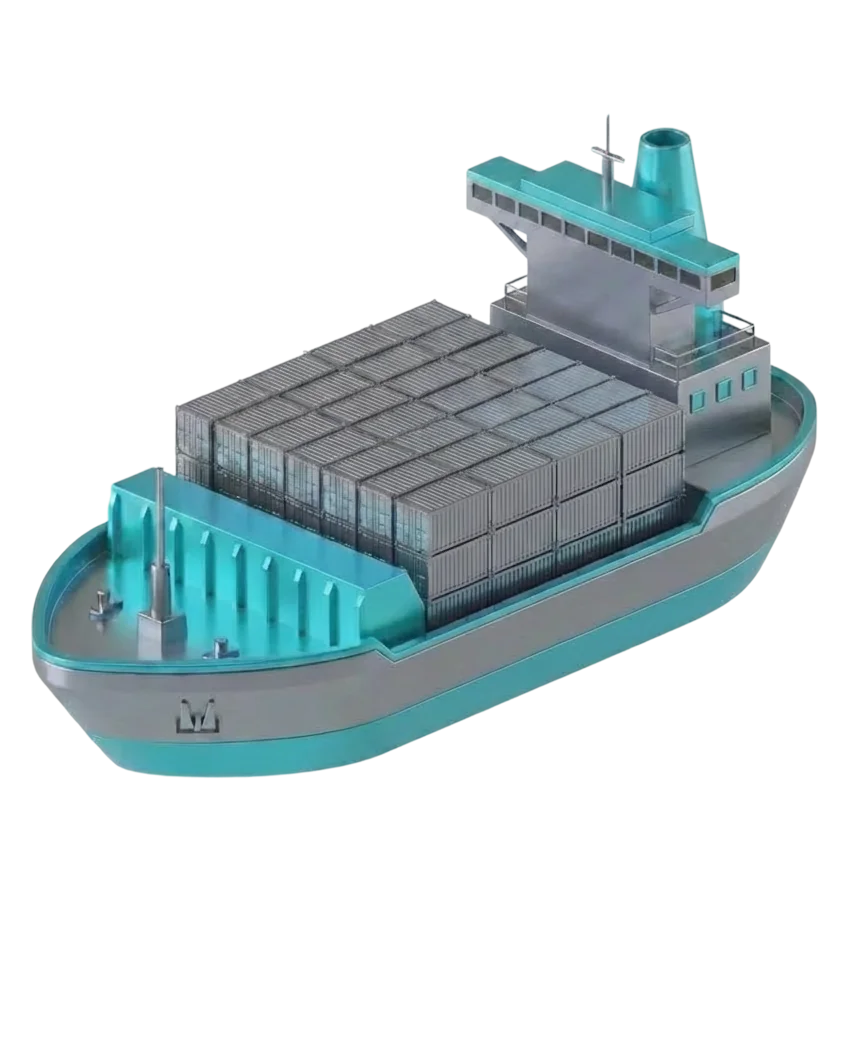
Trimodal Logistics: Containers are perfectly suited for multimodal transport: they can be delivered by truck, shipped by barge along the Rhine directly to the seaports of Rotterdam or Antwerp, or loaded onto trains at Mannheim's marshalling yard (Rangierbahnhof), the largest in Europe.
Mobile Warehousing: Rapid expansion of storage space within logistics parks or industrial sites without the need for capital construction or lengthy permitting processes.
Security at Construction Sites: In the densely built urban and industrial areas of the region, containers provide vandal-resistant and airtight storage for expensive tools and building materials.
Buffer Storage: Using containers to consolidate LCL (Less than Container Load) shipments before dispatching them by barge or train to Eastern Europe.
Key Logistics Hubs for Placement and Delivery
We organize the supply and storage of containers at strategically important points in the region:
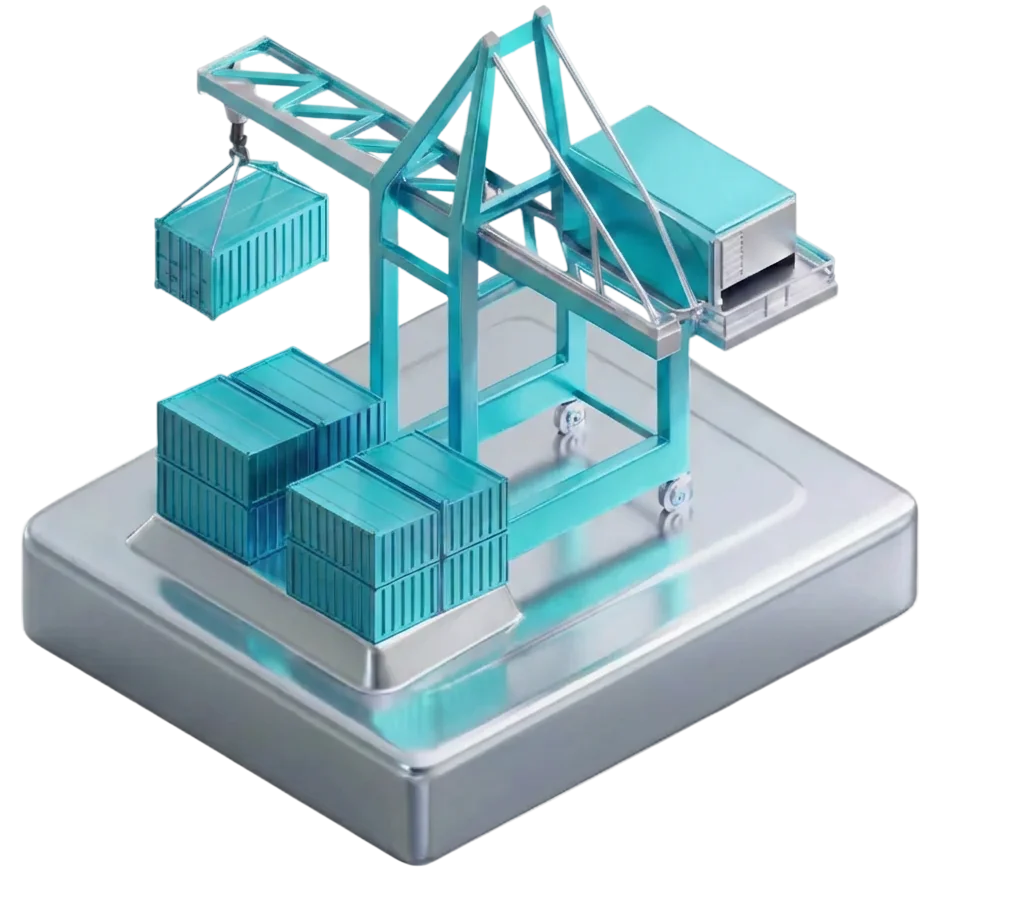
Port of Mannheim (Rheinhafen Mannheim): The largest river container hub with direct access to the North Sea. Terminals (e.g., Rhenus, C. Steinweg) are equipped with modern machinery for transshipping containers between barges, railcars, and trucks.
Mannheim Marshalling Yard (Mannheim Rangierbahnhof): One of the largest railway hubs in Europe. An ideal point for positioning containers for rail loading along east-west transit corridors.
Industrial Zones of Ludwigshafen, Schwetzingen, and Hockenheim: Areas with a high concentration of manufacturing and warehousing. Delivering containers here allows for on-site storage, bypassing congested city routes.
Popular Use Cases for Containers in Mannheim
Construction and Development: Securing tools, generators, and building materials at sites in Mannheim and neighboring cities, where theft is a significant concern.
E-commerce and Retail: Temporary or permanent storage of FMCG (Fast-Moving Consumer Goods) near major distribution centers in the Rhine-Neckar region.
Industry and Agriculture: Storing machinery spare parts, chemical raw materials (in airtight conditions), or agricultural equipment in suburban areas.
Modular Buildings: Rapid deployment of site offices, worker accommodations, or security posts at new industrial facilities.
*The information on this page does not constitute a public offer.
*MyContainers is a partner of MyWay.