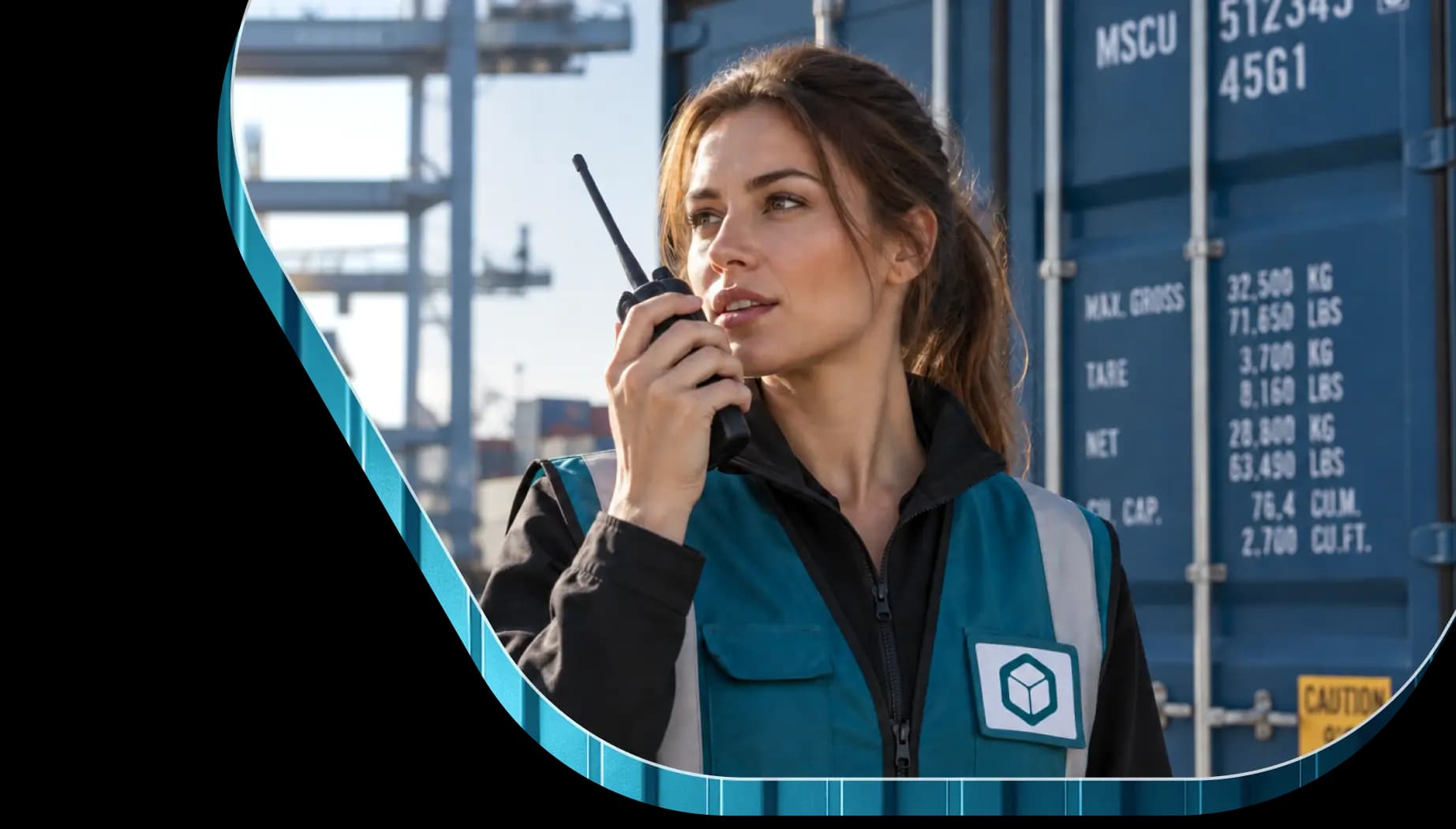



The shipping container is often hailed as the most important invention of the 20th century. Yet, behind the familiar image of a simple steel box lies an industry that operates on an enormous scale. To understand how global trade has become so affordable and accessible, you only need to look at the records being set in this sector year after year.
This article is for those who love mind-boggling numbers. We will explore floating giants, the global scale of the industry, and the incredible durability of the standard shipping container.
Floating Giants: Capacity Records
The evolution of container ships is essentially a race for economies of scale. The larger the vessel, the cheaper it becomes to transport a single container.
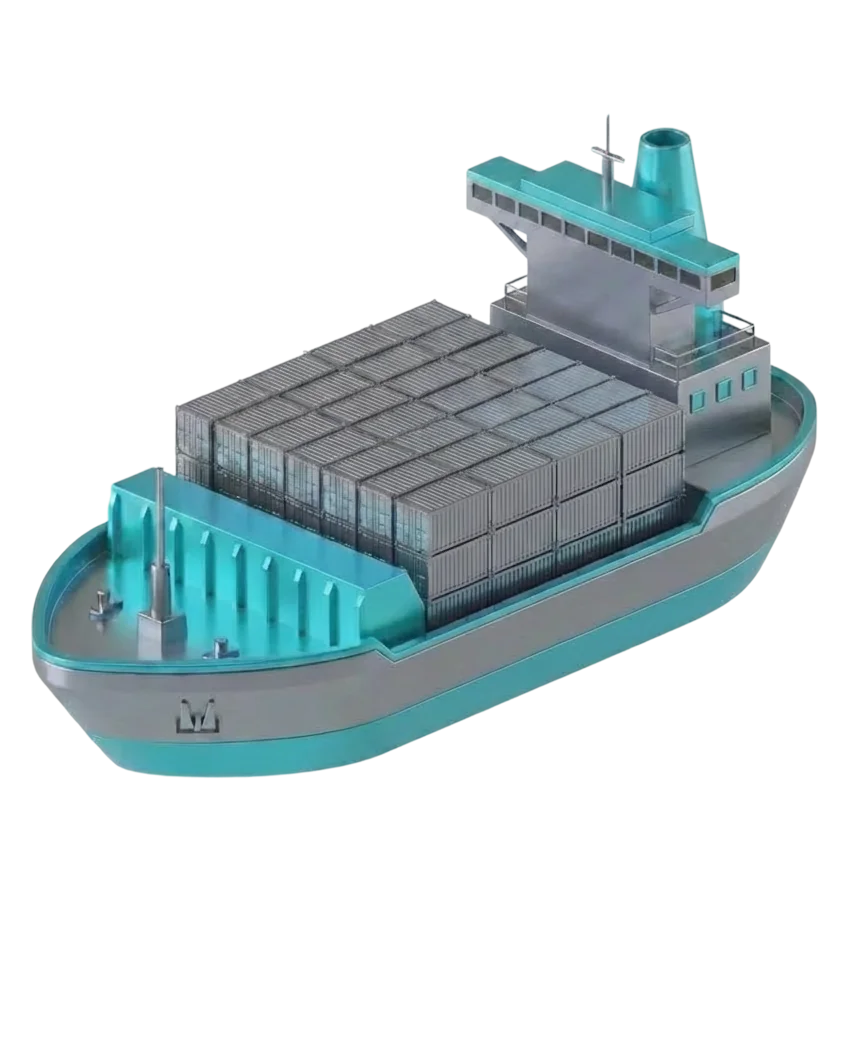
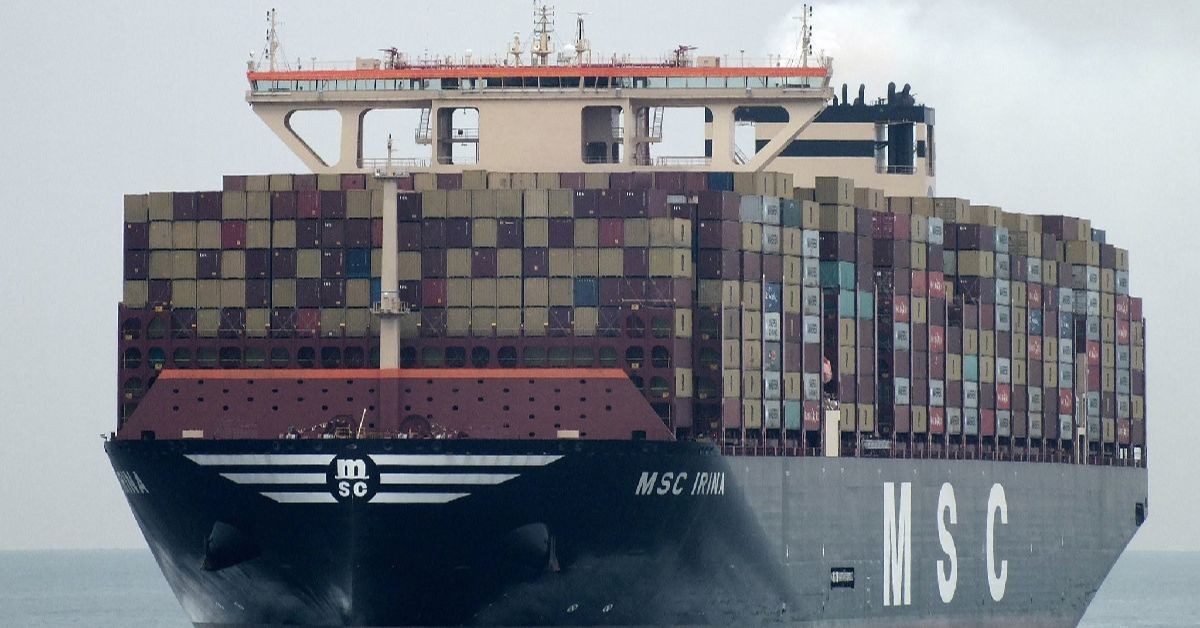
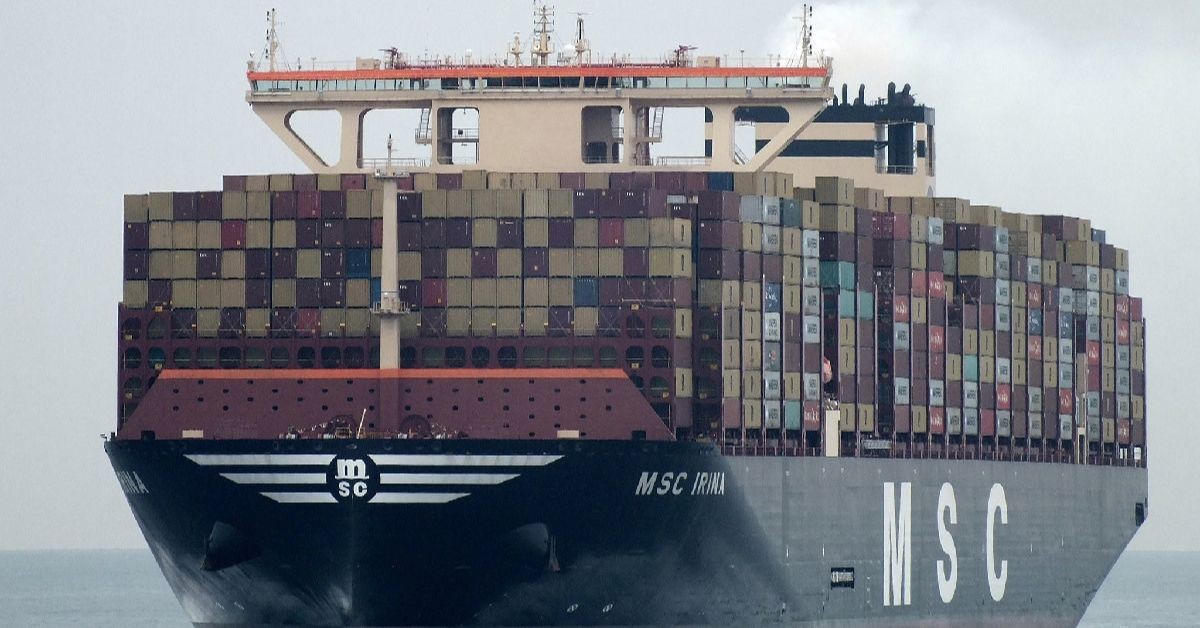
The Absolute Capacity Champion: Vessels of the MSC Irina class (and its sisterships) can carry a colossal 24,346 TEU (twenty-foot equivalent units). This giant is over 400 meters long—comparable to the Eiffel Tower laid on its side, or four football fields lined up end to end.
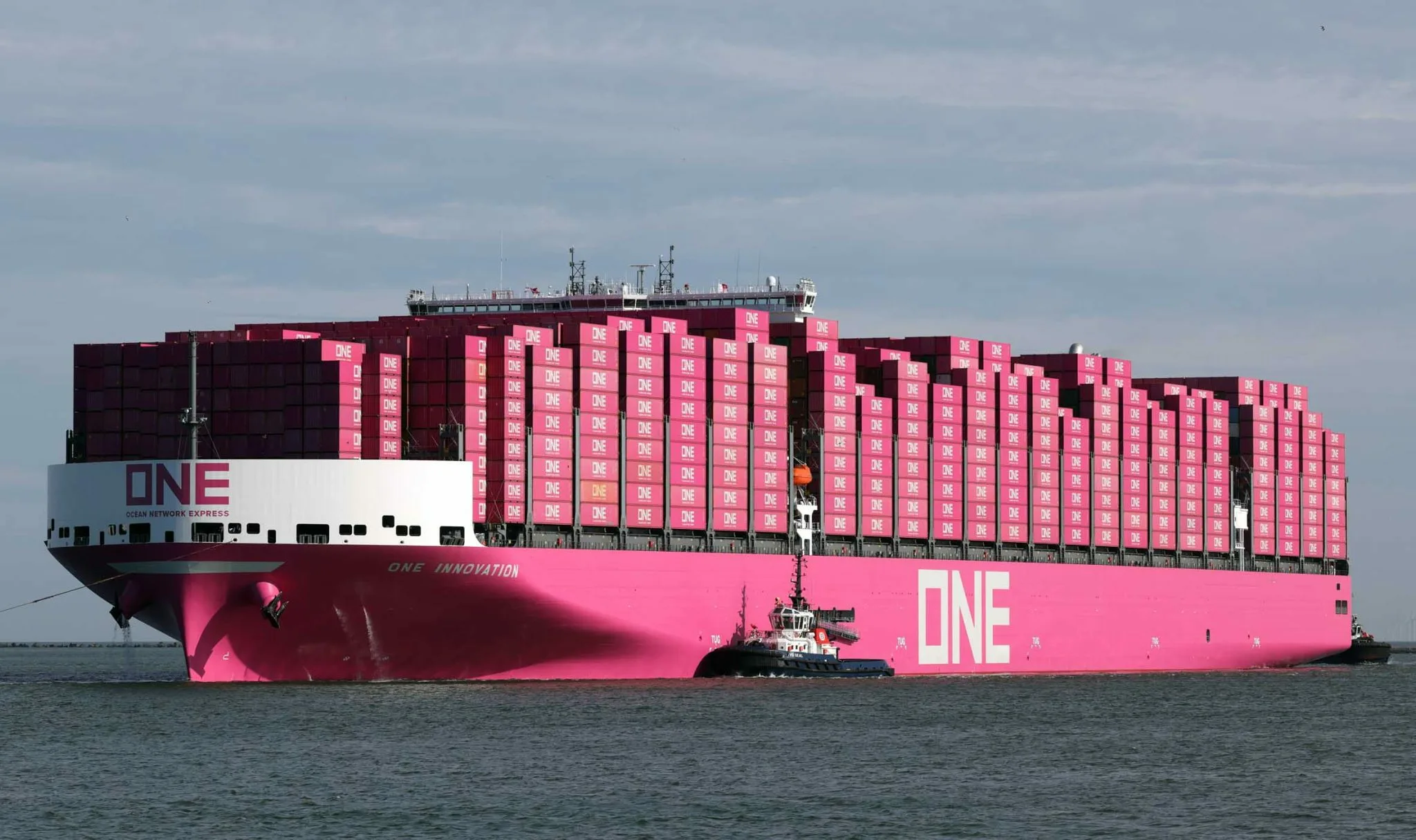
The Real-World Loading Record: Theoretical capacity is one thing, but actual loading—factoring in weight, balance, and port restrictions—is another. In 2025, the ONE Innovation set an impressive practical record by successfully carrying 22,233 TEU on a single voyage, proving that design limits can be reached with flawless logistics.
Loaded Weight: A fully loaded mega-container ship can displace over 240,000 tons. For comparison, that is roughly four times heavier than the world's largest cruise ship.
Global Scale: Mind-Blowing Numbers
The container industry operates as a single, perfectly tuned machine spanning the entire globe.
20 Million in Motion: At any given moment, there are about 20 million loaded containers on the ocean, in ports, or moving overland. If you lined them all up, the chain would wrap around the Earth's equator several times.
Manufacturing Monopoly: Here is a staggering fact: 97% of all shipping containers in the world are manufactured in China. Companies like CIMC and CXIC have such massive production capacities that they can roll out thousands of containers every week, meeting the demands of the entire planet.
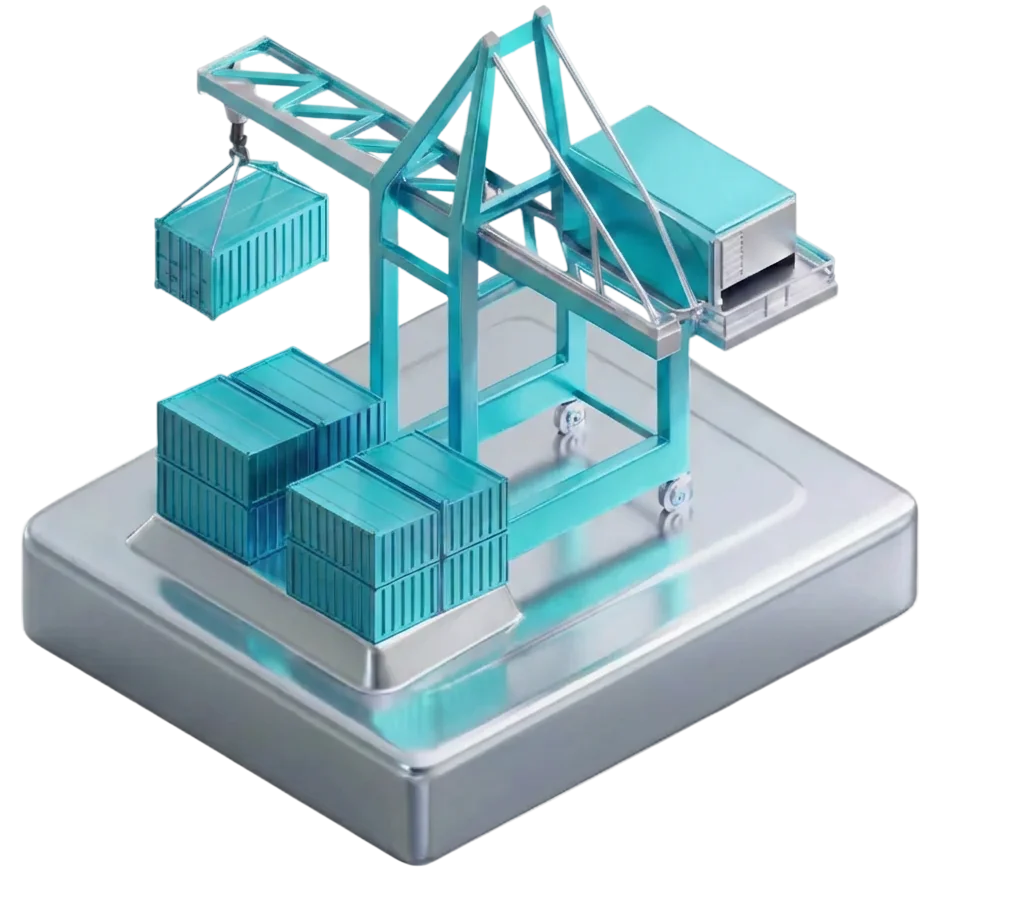
Processing Speed: Modern automated ports (such as Tanger Med or Shanghai) can handle over 150 container moves per hour. A mega-ship can be completely unloaded and reloaded in under 24 hours of continuous operation.
Incredible Durability and Second Life
Shipping containers are engineered to withstand extreme stress: stormy seas, repeated crane handling, and stacking up to 10 tiers high. This ruggedness defines their lifecycle.
Lifespan: With proper maintenance and timely anti-corrosion treatment, a shipping container can serve flawlessly for 25 years or more. They are made from Corten steel, which has a unique property: as it rusts, it forms a dense protective layer (patina) that halts further degradation of the metal.
An Architectural Revolution: Once retired from ocean routes, containers find a second life. They are used to build student housing in Amsterdam, modular offices, cafes, vertical farms, and even private swimming pools.
Underwater Data Centers: As part of Project Natick, Microsoft successfully used a sealed shipping container as an underwater data center, sinking it off the coast of Scotland. The seawater provided perfect natural cooling for the servers for two years without a single failure.
Logistics and Cost Records
The Most Expensive Cargo: Containers don't just carry clothes and electronics. There are documented cases of standard 40-foot containers transporting artwork, rare wines, and aerospace components worth tens of millions of dollars.
Stacking Height: On the decks of modern ships, containers are stacked 10 to 12 tiers high. The bottom container in such a stack must withstand colossal pressure, making the corner castings and corrugated walls a true marvel of engineering.
Practical Takeaway
Container industry records are more than just a reason to be amazed. Behind these gigantic numbers lies the core principle of modern logistics: reducing the unit cost of transport. Thanks to 24,000+ TEU vessels and China-driven standardization, delivering goods from anywhere in the world has become fast, predictable, and economically viable for businesses of any size.
*Information on this page is not a public offer.
*MyContainers is a partner of MyWay.