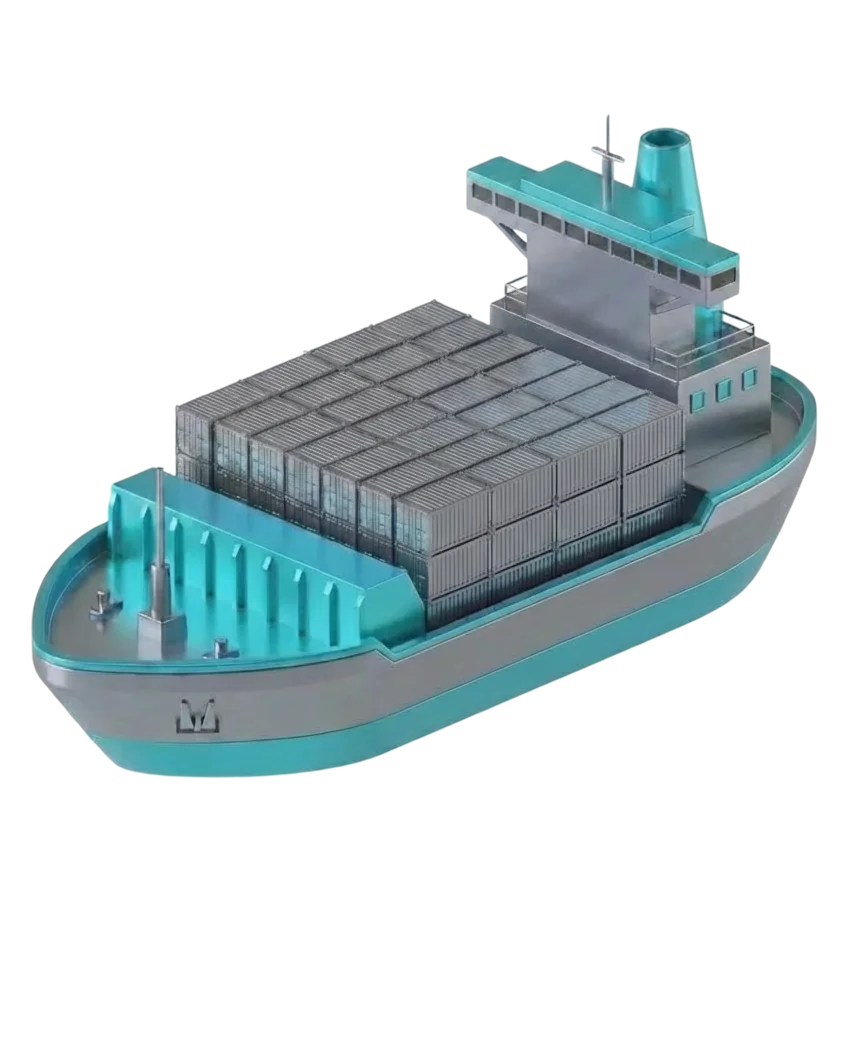

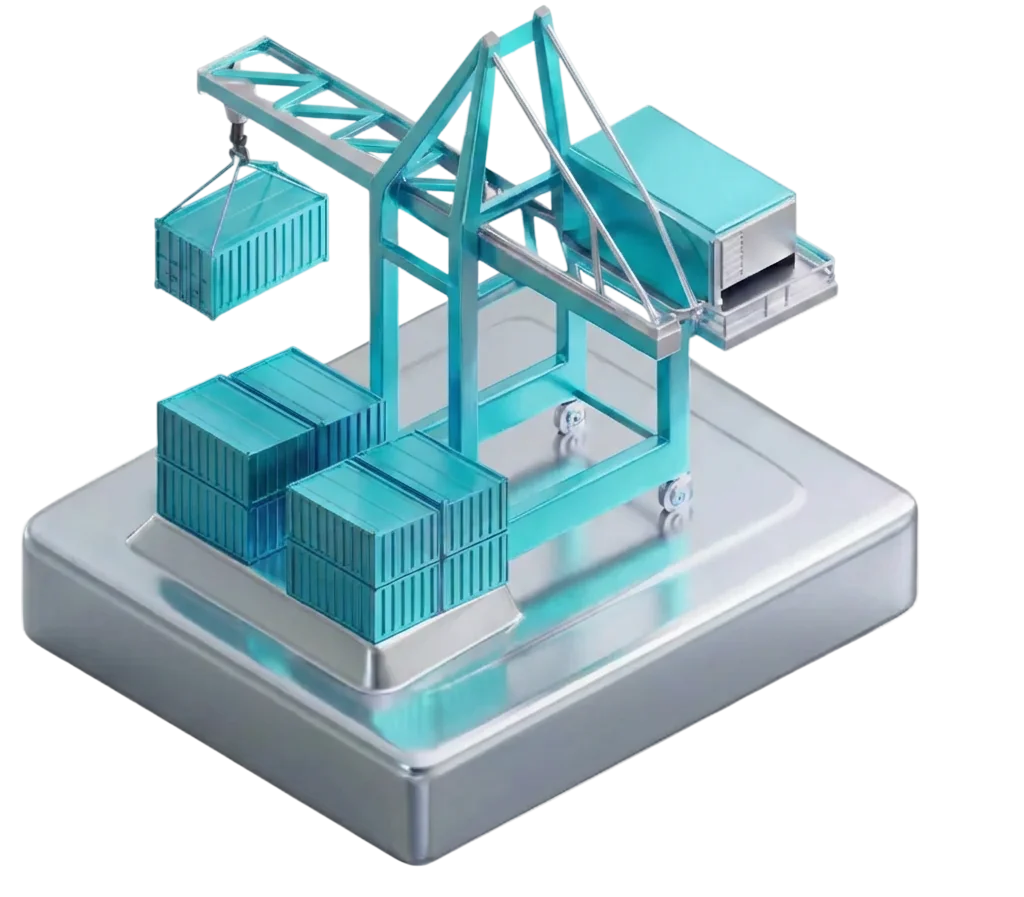




The classification of shipping containers is based on three fundamental factors: dimensions, payload capacity, and structural design characteristics. All of these parameters are defined by international ISO standards, and any professional assessment relies on these standards rather than sales descriptions or marketing terminology.
ISO Standards for Shipping Containers
Parameter 1: Length and Height
ISO 668 classifies containers primarily into 20-foot units (approximately 6.058 m in length) and 40-foot units (12.192 m in length), with 45-foot containers appearing less frequently.
A separate category includes High Cube (HC) containers. These have the same length as standard 20-foot or 40-foot containers but feature an increased height of 9 ft 6 in (2.896 m) instead of the standard 8 ft 6 in (2.591 m).
Today, High Cube containers account for more than half of the global maritime freight market. This is not merely a statistical trend—it reflects genuine demand for additional cargo volume. Many shipments are lightweight yet bulky, making every additional centimeter of internal height economically valuable.
Parameter 2: Payload Capacity and Gross Weight
According to ISO 1496-1, the maximum gross weight for both 20-foot and 40-foot containers is 30,480 kg.
However, there is an important distinction.
A 40-foot container has a higher tare weight than a 20-foot container, resulting in a lower payload capacity. In practice, the payload of a standard 40-foot container is approximately 26.5 tonnes, compared to roughly 28 tonnes for a 20-foot container.
I have personally seen newcomers book 40-foot containers for heavy industrial equipment only to encounter overweight penalties at terminals in Shanghai or Rotterdam. In such cases, the surcharge for exceeding weight limits can be so substantial that selecting the correct container size from the outset would have been far more economical.
Parameter 3: Stacking Strength and Structural Integrity
Under the same ISO 1496-1 standard, a container roof must withstand a load of 300 kg applied to an area measuring 600 × 300 mm, while corner fittings must resist a tensile force of 150 kN.
These are not merely technical figures.
When your loaded container is stacked six levels high aboard an ocean vessel, these specifications ensure that, two weeks later, you open the doors to find your cargo intact rather than a twisted mass of damaged metal and freight.
Parameter 4: Container Marking and Identification
ISO 6346 requires every container to carry a unique identification code consisting of:
Four letters (owner code);
Six numerical digits;
One check digit.
Without this identification marking, a container cannot pass through border checkpoints, port terminals, or insurance procedures.
In practical terms, ISO 6346 serves as the container’s international passport.
Key Specifications of Popular Container Types
For convenience, we have compiled the specifications of the most widely used shipping container types into a single table.
Parameter | 20 DC | 40 DC | 40 HC | 20 HC |
|---|---|---|---|---|
External Length (m) | 6.058 | 12.192 | 12.192 | 6.058 |
External Width (m) | 2.438 | 2.438 | 2.438 | 2.438 |
External Height (m) | 2.591 | 2.591 | 2.896 | 2.896 |
Internal Volume (m³) | ~33 | ~67.3 | ~76 | ~37.4 |
Maximum Gross Weight (kg) | 30,480 | 30,480 | 30,480 | 30,480 |
Tare Weight (kg) | 2,200–2,400 | 3,700–4,000 | 3,900–4,200 | 2,300–2,500 |
Payload Capacity (kg) | ~28,000–28,280 | ~26,500–26,780 | ~26,300–26,580 | ~28,000–28,100 |
Roof Load Capacity (ISO 1496-1) | 300 kg on 600 × 300 mm | 300 kg on 600 × 300 mm | 300 kg on 600 × 300 mm | 300 kg on 600 × 300 mm |
Maximum Stacking Height | 8–9 tiers | 7–8 tiers | 6–7 tiers | 8–9 tiers |
ISO 6346 Marking | Mandatory | Mandatory | Mandatory (HC designation) | Mandatory (HC designation) |
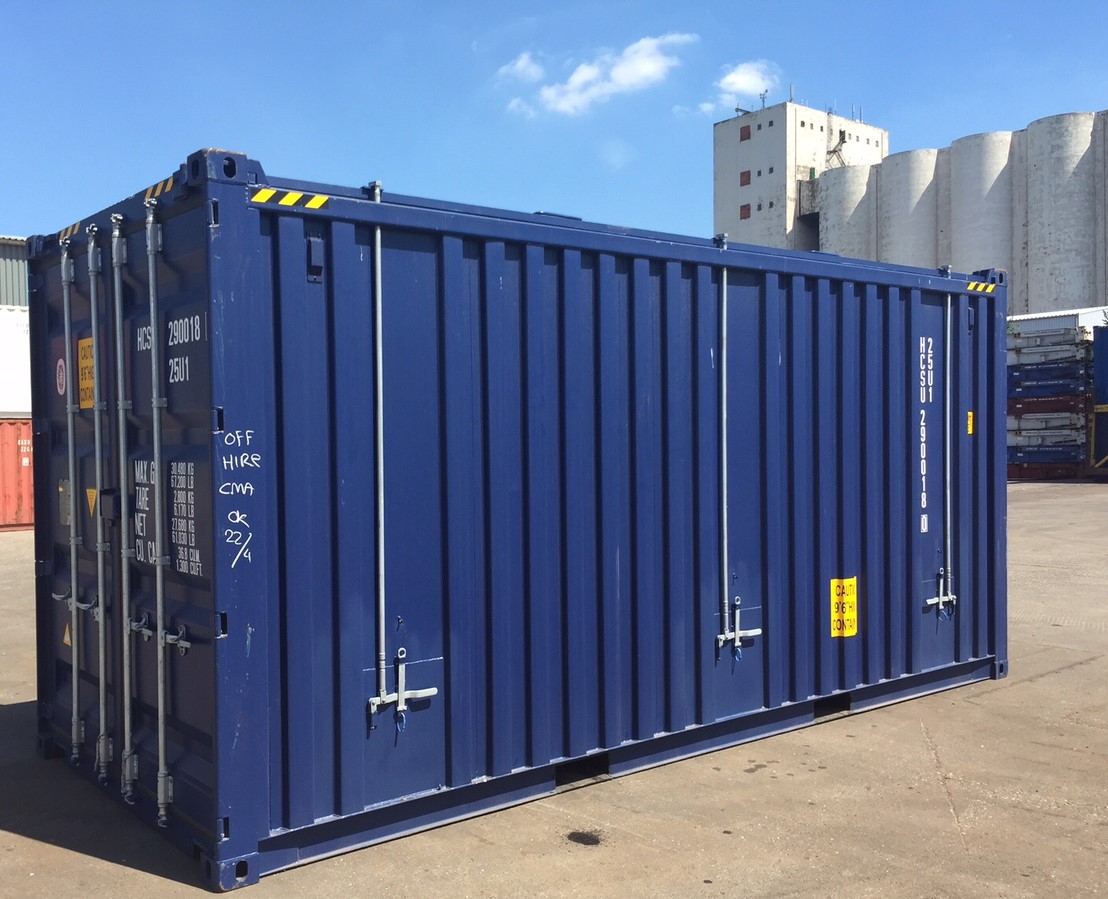
What does a 20 High Cube container look like?
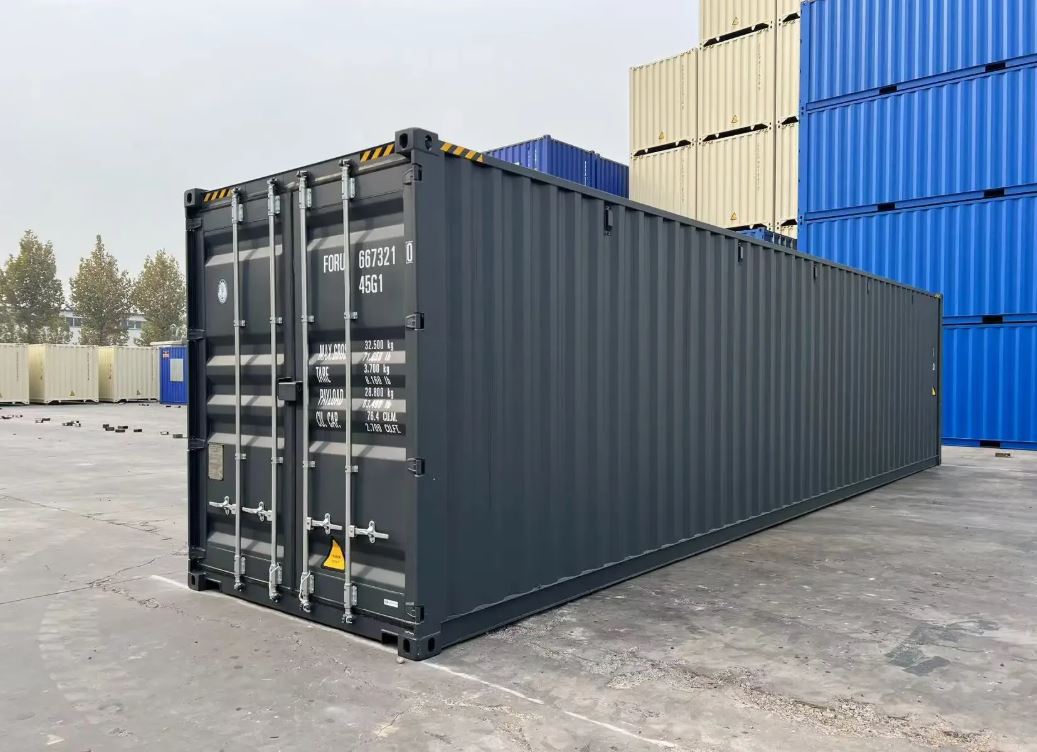
What does a 40 Dry Cube container look like?
Open Top Containers: Open-Top Solutions for Oversized Cargo
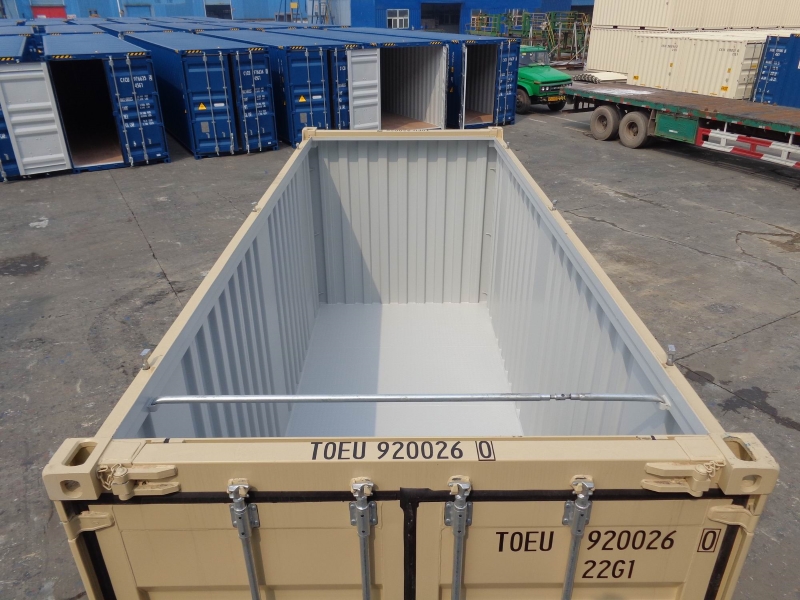
Open Top containers are among the most popular solutions for oversized shipments.
Instead of a fixed steel roof, they feature removable roof bows and a PVC or canvas tarpaulin cover. Under ISO 1496-2, cargo may be loaded from above using a crane, making these containers ideal for freight that cannot pass through standard container doors.
Modern Open Top containers manufactured by companies such as CIMC and Singamas are equipped with reinforced top side rails capable of supporting up to 500 kg per linear meter while the tarpaulin is tensioned. Although this may seem like a minor specification, it becomes critically important when transporting heavy industrial equipment.
Typical Cargo Types:
Industrial machinery;
Tall equipment and installations;
Granite slabs;
Porcelain stoneware;
Large-diameter pipes.
Flat Rack Containers: Platforms with Folding End Walls
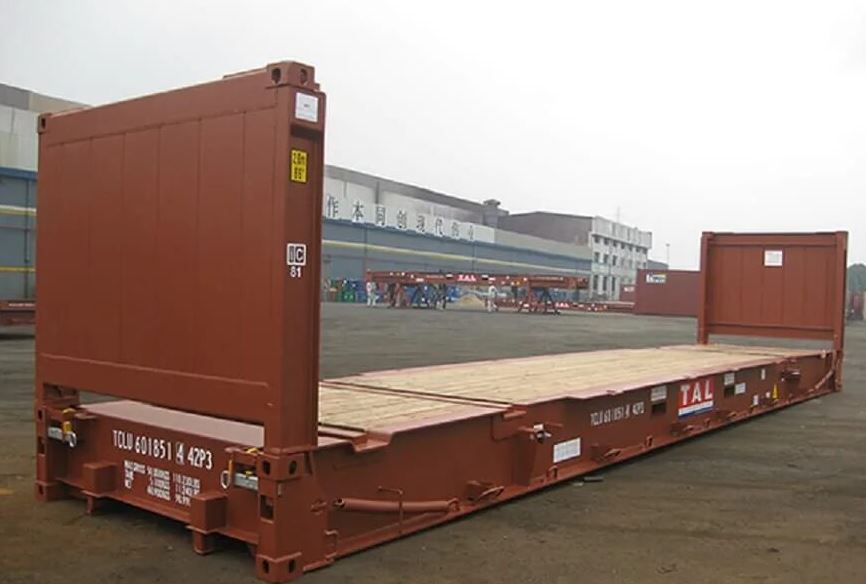
A Flat Rack container has neither a roof nor side walls. Its structure consists of a reinforced floor, two end walls, and foldable or removable side supports.
These containers are specifically engineered for loads that exceed the capabilities of Open Top equipment.
The floor structure is heavily reinforced, while lashing rings are installed along the entire length of the container at intervals of approximately 30–50 cm to secure cargo effectively.
The complete securing system is tested to withstand longitudinal acceleration forces of up to 2g, equivalent to conditions encountered during severe sea states of approximately Force 8–9 storms.
Typical Cargo Types:
Cable reels and cable drums;
Pipes up to 12 meters in length (with permissible overhang);
Large steel structures;
Masts and towers;
Generators;
Power transformers.
Wheeled and tracked machinery;
Tank Containers for Liquid and Hazardous Cargo
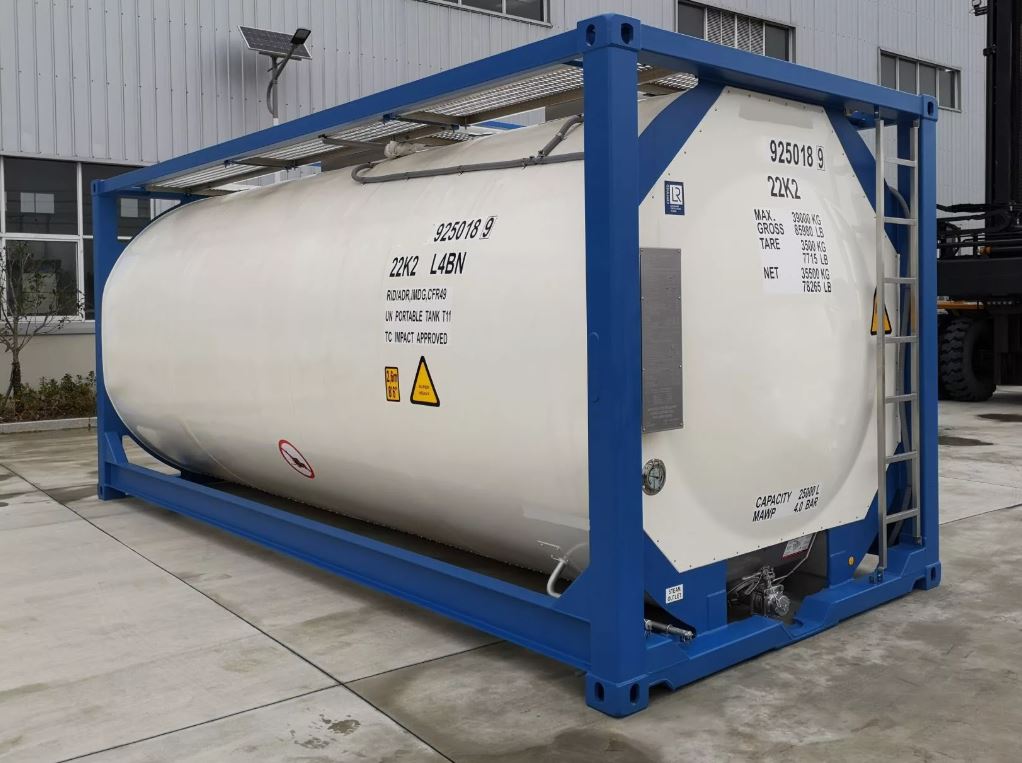
A tank container consists of a cylindrical tank mounted within a rigid steel frame, with external dimensions equivalent to a standard 20-foot container.
The transportation of liquids in tank containers is governed by ISO 1496-3, covering products ranging from edible oils to corrosive chemicals and liquefied gases.
A typical tank container with a capacity of approximately 24,000 liters is designed to operate at working pressures ranging from 4 to 10 bar, depending on the cargo classification.
Typical Cargo Types:
Liquefied petroleum gases (propane, butane);
Chemical reagents;
Acids and alkalis;
Paints and coatings;
Food-grade oils;
Wine;
Fruit juices;
Syrups.
Refrigerated Containers
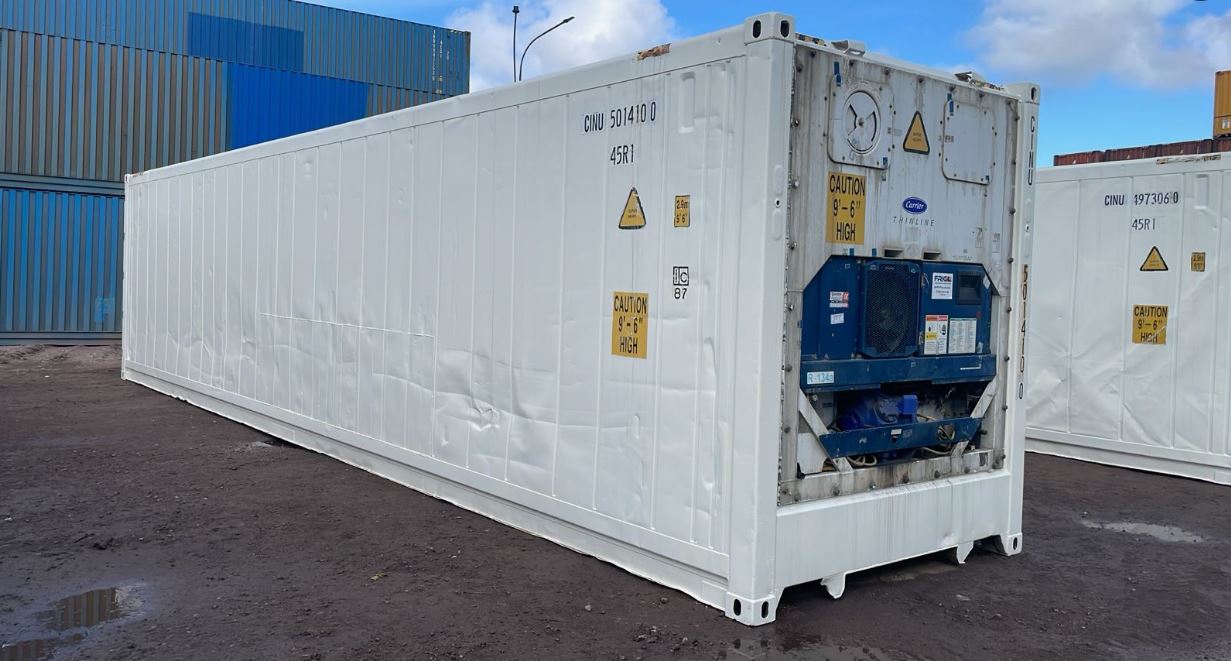
Modern reefer units maintain temperatures ranging from −65°C to +40°C, with precision typically within ±0.5°C.
Rare and Highly Specialized Shipping Containers
These container types account for less than one percent of the global container fleet, yet without them it would be impossible to transport livestock, hot asphalt, or vehicles with oversized dimensions and open roof structures.
Ventilated Containers
Ventilated containers are designed for cargo that requires a continuous supply of fresh air but does not need active refrigeration.
Under ISO 1496-2, ventilation openings located in the upper and lower sections of the container must provide a combined ventilation area of at least 1,500 cm² per 20-foot equivalent unit (TEU).
These containers are also designed to meet IPX5 splash-resistance requirements, preventing rainwater from entering while maintaining airflow.
Modern models increasingly feature adjustable ventilation louvers, allowing operators to set airflow at 0%, 50%, or 100%, depending on weather conditions and cargo requirements.
Typical Cargo Types:
Green coffee beans;
Cocoa beans;
Dried fruits;
Onions;
Garlic;
Potatoes in storage;
Agricultural seeds;
Tobacco leaves.
Bulk Containers
Bulk containers are specifically adapted for transporting powders, granules, and loose materials without conventional packaging.
Governed by ISO 1496-4, these containers are fully sealed and use pneumatic unloading systems through bottom discharge valves.
Typical Cargo Types:
Plastic resin pellets;
Flour;
Sugar;
Salt;
Bulk construction materials;
Mineral fertilizers;
Grain;
Soybeans;
Animal feed.
Livestock Containers
Also known as Livestock Containers or certain configurations of Pallet-Wide Containers, these units are specifically equipped for transporting live animals.
They feature:
Ventilation systems;
Integrated watering systems;
Feeding equipment;
Anti-slip flooring.
According to requirements established by the World Organisation for Animal Health (WOAH) and ISO 1496-2, ventilation openings must account for at least 6% of the total wall area, while preventing direct drafts that could stress animals during transport.
Flooring is typically corrugated steel or rubber-coated for improved animal safety and comfort.
Modern livestock containers increasingly incorporate:
Automatic water dispensers;
Water-level monitoring sensors;
Emergency reserve water tanks capable of supplying animals for up to six hours.
Although the gross weight rating is similar to that of a standard 20-foot container, payload capacity is generally reduced to approximately 18 tonnes due to the weight of onboard equipment.
Insulated Containers
An insulated container is essentially a large thermal flask without an integrated refrigeration unit.
Its purpose is to maintain the cargo’s initial temperature for periods ranging from 24 to 72 hours.
The thermal conductivity coefficient of the walls does not exceed 0.4 W/(m²·K), providing insulation performance roughly comparable to a 15-centimeter-thick foam wall.
These containers are frequently used together with thermal accumulators or frozen gel packs placed inside prior to loading.
Vehicle Transport Containers (Car Carriers / Auto Racks)
These containers are specifically engineered for transporting passenger vehicles, motorcycles, ATVs, and similar equipment.
*The information on this page does not constitute a public offer.