




How to Choose a Shipping Container by Technical Condition Grade
When looking for a shipping container, you will often come across terms such as NEW, One-Trip, IICL, CW, WWT, and As Is. Each of these grades refers to a specific set of characteristics that determine the container’s price, remaining service life, and recommended use.
Misunderstanding these container condition grades often leads to one of two problems: either you overpay for a level of quality you do not actually need, or you buy a container that cannot handle your intended task.
For easier comparison, we have summarized the key parameters in the table below.
Shipping Container Condition Grades Explained
Feature | NEW / One-Trip | IICL | CW | WWT | As Is |
Wind and water tight | Yes | Yes | Yes | Yes | Not guaranteed |
Suitable for export shipping | Yes | Yes | Yes | No, not recommended for regular voyages | No |
Suitable for storage | Yes | Yes | Yes | Yes | Only after repairs |
Dents and scratches | Minimal, isolated | Light, barely noticeable | Surface defects are acceptable | Dents, repair marks, rust | Serious roof or wall damage |
Paintwork | 100% factory paint | Around 95% original | Touch-ups possible, color mismatch may occur | Faded but acceptable | Faded, no guarantees |
Door functionality | Guaranteed | Guaranteed | Guaranteed | Guaranteed | Not guaranteed |
Standards | IICL-6, valid CSC plate | IICL-5/6, valid CSC plate | Valid CSC plate | No strict standard | No standard |
Floor without holes | Yes | Yes | Yes | Yes | No |
Now let’s look at each condition grade in more detail.
See the photo examples below to visually compare one grade with another.
NEW and One-Trip Containers
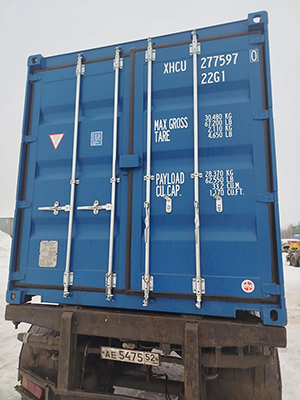
(See the example photo below.)
This is the highest quality category. These containers have been used no more than once, and their age is usually less than one year.
What You Get:
● Strong structure with minimal signs of use.
● Full compliance with IICL-6 and a valid CSC plate.
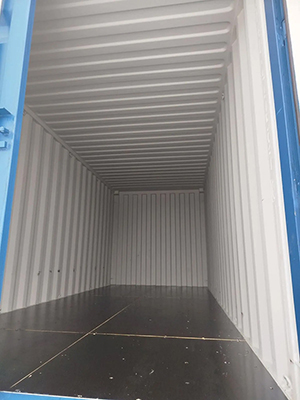
● Complete wind and water tightness: when the doors are closed, even light does not pass through.
● No previous contact with toxic cargo.
NEW and One-Trip containers are the best choice for valuable, sensitive, or export cargo where condition, cleanliness, and reliability are critical.
IICL Containers in Excellent Condition
(See the example photo below.)
IICL containers are used containers that remain in very good technical condition. They comply with IICL-5 or IICL-6 standards.
Key Features:
● Reliable structure with only cosmetic damage.
● Valid CSC plate.
● Often suitable for food-related cargo, although this should always be confirmed with the seller.
This option is often considered the best balance between price and quality, especially when predictable condition is important.
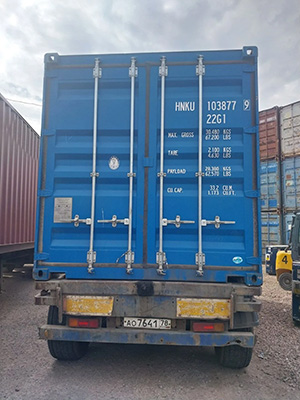
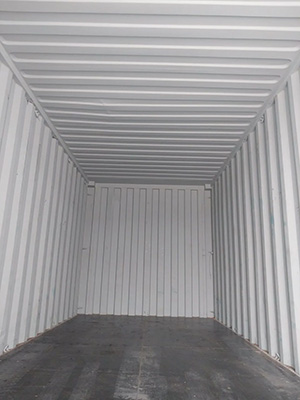
Cargo Worthy Containers
(See the example photo below.)
Cargo Worthy containers are officially considered suitable for ocean freight. Their appearance may be far from perfect, but their functionality remains strong.
What Makes Them Different:
● Valid CSC plate.
● At least 50% of the interior surface is clean and free from old markings.
● Scuffs, scratches, and light rust are acceptable.
● The floor may show minor delamination or stains from previous cargo, provided there are no toxic residues.
● Suitable for export shipping, but usually not certified for food cargo.
Cargo Worthy containers are often available at affordable prices and can sometimes be found for under $1,000, depending on location and market conditions.
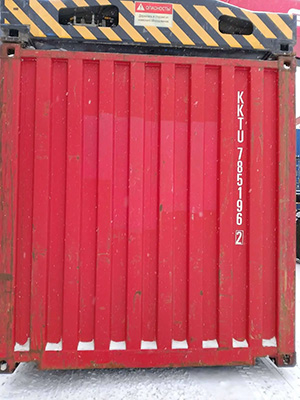
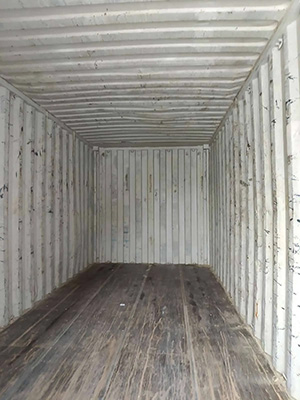
WWT Containers: Wind and Water Tight
WWT containers have usually completed their active shipping service life, often after 10–15 years, but they still protect against wind and water. Their main purpose is stationary storage at warehouses, construction sites, farms, or industrial facilities.
Typical Characteristics:
● Many old markings, corrosion, deep scratches, and rust.
● Heavily worn flooring with visible marks and moderate delamination.
● Possible dents or damage, but no through-holes.
● CSC plate is often missing or expired.
WWT containers are the most cost-effective choice for storage when international shipping is not required.
As Is Containers
As Is containers are units that shipping lines or leasing companies have retired due to serious defects. They are usually purchased for conversion projects, workshops, cabins, or scrap metal.
Condition May Include:
● Major roof, wall, or door damage.
● Holes in the floor.
● No guarantee of wind or water tightness.
● No valid certificates.
As Is containers are suitable only for non-critical ground-based projects, conversion work, or recycling.
Why Is It Important to Understand Container Condition Grades?
There are at least three key reasons.
1. Choosing the Right Container for the Job
High-value or food-grade cargo requires a container with guaranteed cleanliness and watertightness. For storing building materials, a WWT container may be enough.
Understanding condition grades helps you avoid unnecessary costs.
2. Legal Compliance
International transportation requires a valid CSC plate and compliance with safety regulations.
Ignoring this requirement can result in fines, customs delays, or refusal of loading.
3. Stronger Negotiation Position
When you understand what each grade means, you can discuss the price with the seller more confidently.
On marketplaces such as my-market.mg, buyers can compare offers and request additional photos to verify the real condition of the container before purchase.
How to Keep a Container in Good Condition for Longer
Buying a quality container is only half the job. Proper maintenance is essential to prevent rapid deterioration.
Inspect the Container Regularly
Check the floor, walls, roof, and doors at least once a month.
A small scratch or rust spot detected early can prevent expensive repairs later. Insurance companies may also require proof of regular inspections; otherwise, claims may be denied.
Repair Minor Defects Immediately
A small corrosion hole can turn into serious structural damage within a year.
It is always cheaper to fix small defects early than to pay for major repairs later.
Pay Special Attention to Reefer Containers
If you operate refrigerated containers, follow the manufacturer’s maintenance schedule.
Refrigeration equipment is complex and expensive to repair, so preventive maintenance is always more cost-effective than emergency service.
Where to Find Containers in Different Conditions
There are many options on the market today, from direct sales by leasing companies to private listings.
One convenient solution is to use a specialized online marketplace such as my-market.mg. The platform aggregates offers from different suppliers and allows users to filter containers by condition, including:
● New
● Cargo Worthy
● WWT
● As Is
Many listings include real photographs, allowing buyers to evaluate visible damage before arranging an inspection or pickup.
You can also contact the seller directly, clarify technical details, and request additional close-up photos of the floor, doors, roof, or corner posts.
This gives buyers greater transparency and reduces the risk of unpleasant surprises.
Key Takeaways
● NEW / One-Trip — ideal for valuable or sensitive cargo, but the most expensive option.
● IICL — almost like new, but more affordable; suitable for most export operations.
● Cargo Worthy — a budget-friendly option for regular transportation; cosmetic defects do not affect functionality.
● WWT — suitable for stationary storage only, not for ocean freight.
● As Is — best for conversion projects, non-standard use, or recycling.
Choose the container condition based on your real business needs, and always request inspection photos or videos before purchase.
Platforms such as my-market.mg make the search faster and comparison easier, helping buyers find the right container with greater confidence.
*The information on this page does not constitute a public offer.