



Architecture using shipping containers (known as "cargotecture") is no longer the domain of survivalist enthusiasts. In 2026, it's a global commercial trend. Modular buildings are constructed 40–60% faster than permanent structures, don't require deep foundations, and most importantly, are legally classified as movable property (meaning they're not subject to property tax and don't require building permits).
MyContainers supplies the "raw material" for these projects. Let's break down the TOP 8 most in-demand and profitable modifications, and explain which containers you need for each.
1. HoReCa: Cafés, Bars, and Food Courts
This is the most common modification. A container café can be placed in a park, on a waterfront, or at a festival venue, then moved to storage for winter.
What it looks like: Panoramic windows are cut out, fold-down terraces (decks) are installed to serve as canopies for guests. Inside, you'll find a professional kitchen and espresso machine.
Which container you need: A 40' HC (High Cube) is ideal. Standard height (2.59 m) is insufficient because after floor and ceiling insulation and ventilation installation, you'll be left with only about 2.2 m, creating a "low ceiling" effect. The HC (2.9 m) provides a comfortable 2.5 m clear ceiling height.
Condition: ISO / One-Trip (New). For hospitality businesses, the pristine appearance of Corten steel without rust or dents is critical, as is the absence of odors.

2. Pop-up Stores and Mobile Showrooms
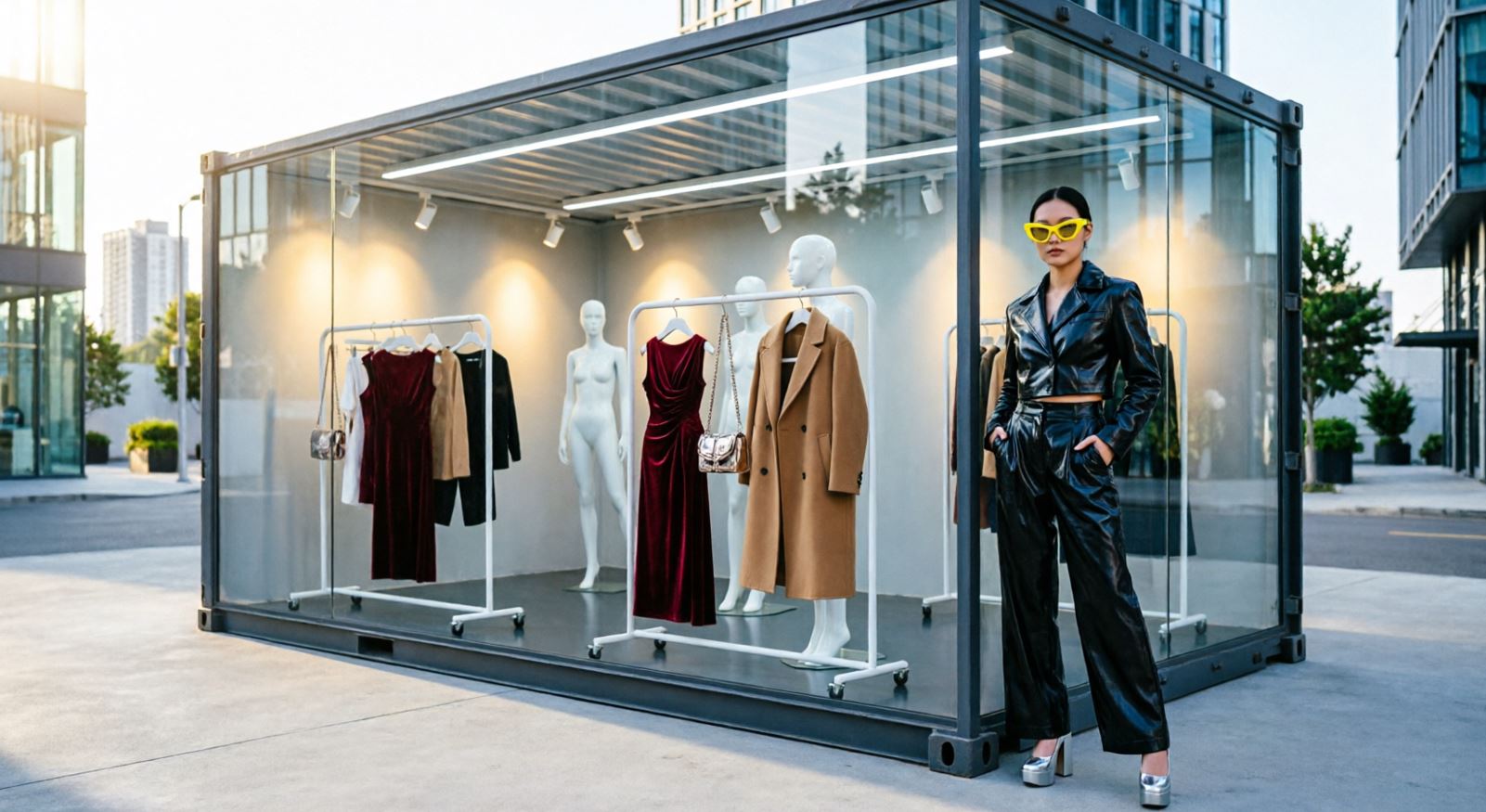
Clothing brands, car dealerships, and developers use containers for fast promotional campaigns.
What it looks like: Full-wall glass facades, designer lighting, premium finishes. The container can be brought to the city center for a weekend, then moved to another district.
Which container you need: 40' HC or 20' HC. Must be new (One-Trip), as any corrosion or patched flooring will damage the brand's image.
3. Glamping and A-Hotels (Modular Hotels)
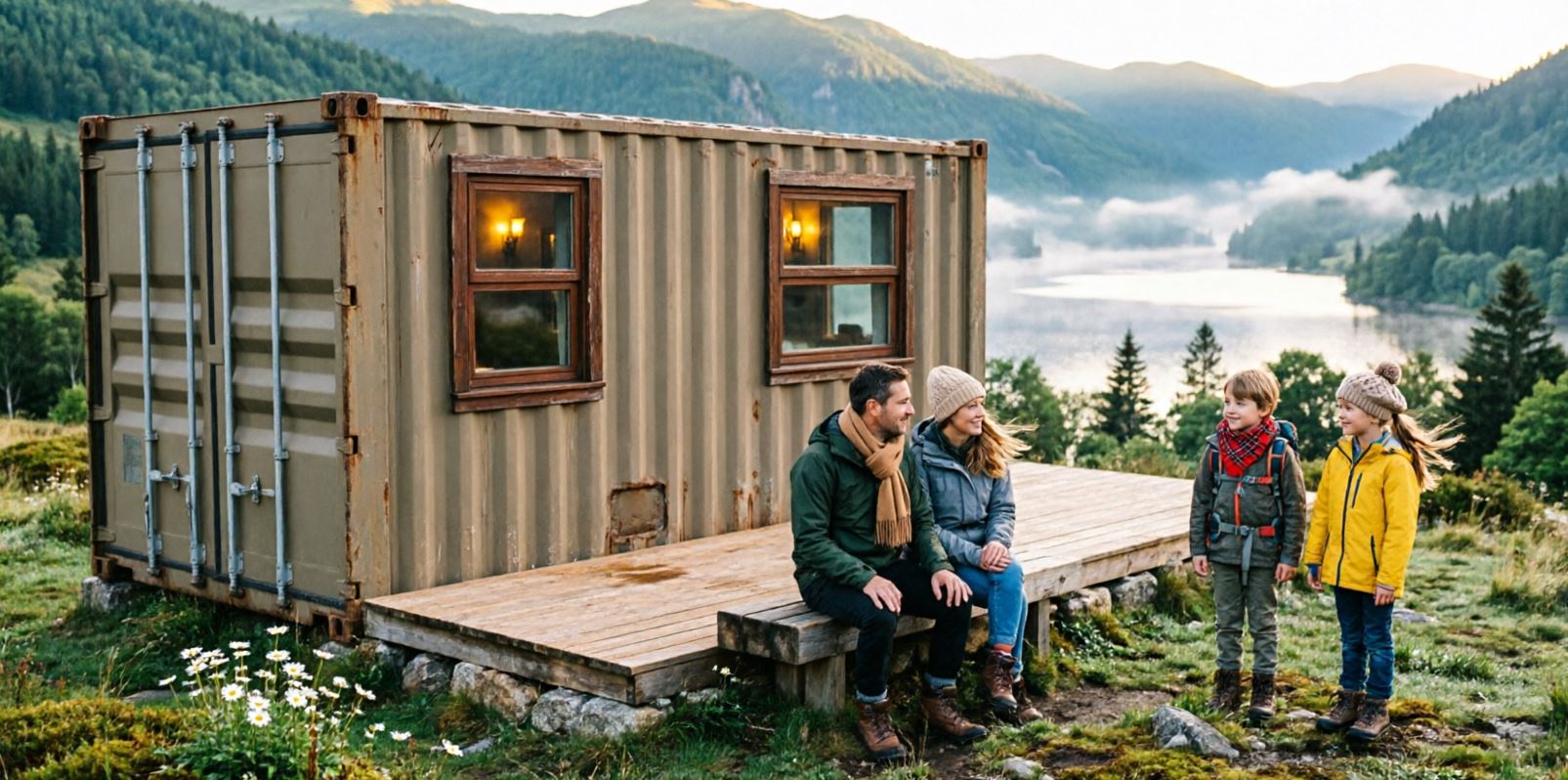
The boom in domestic tourism has led to a shortage of quality accommodation in scenic but hard-to-reach locations (mountains, forests, lakeshores).
What it looks like: A module with a full bathroom, a panoramic window facing the forest, and a terrace. Multiple containers are combined into a hotel complex.
Which container you need: 20' HC or 40' HC. Maximum insulation is required (spray foam polyurethane 10–15 cm) so guests can live in them year-round.
Condition: Used Cargo Worthy (CW) is acceptable. If the facade will be clad with plank siding or thermally modified wood, external corrugation defects don't matter. This saves up to 30% of the budget.
4. Urban Farming and Hydroponic Complexes
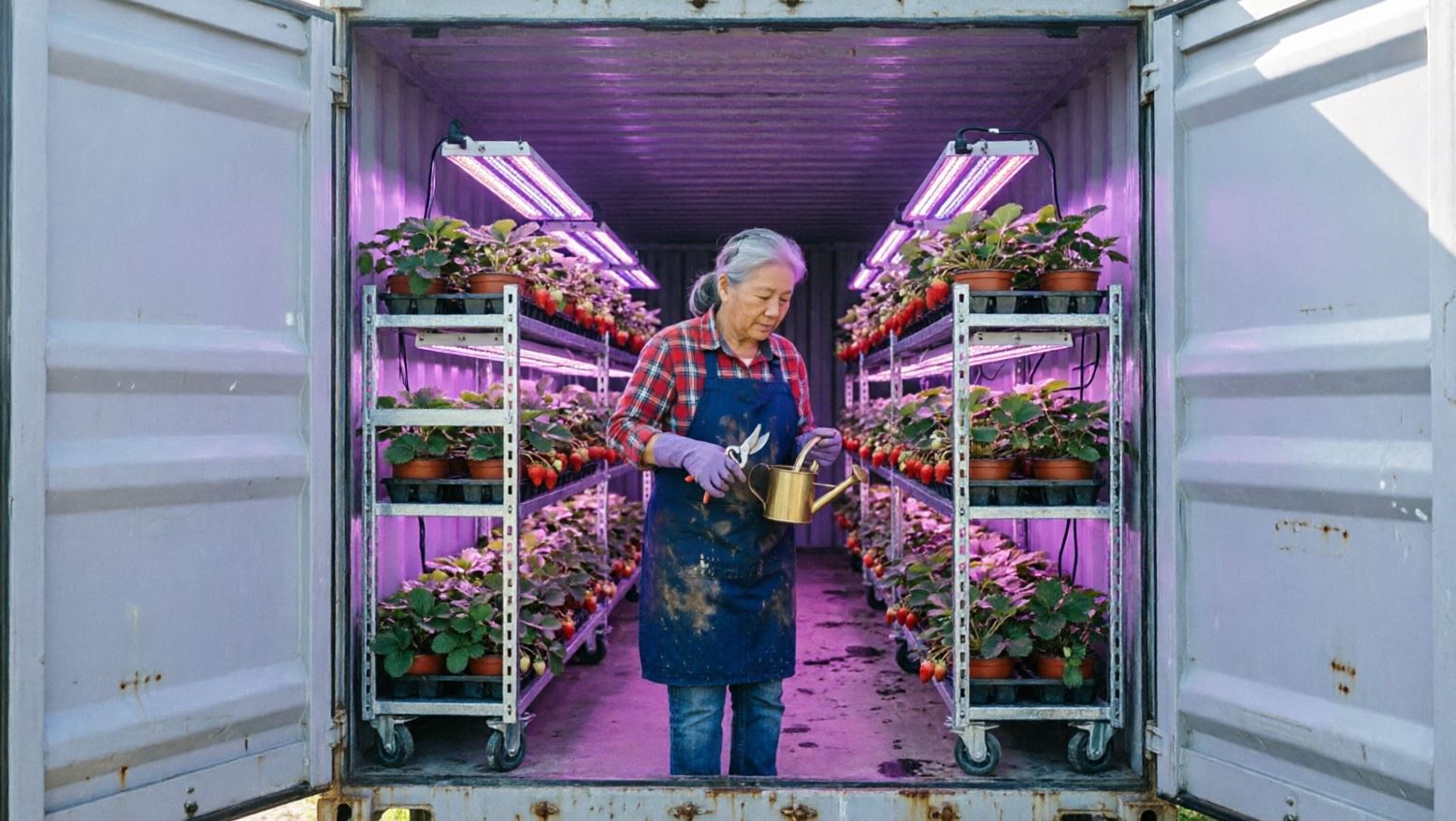
Growing strawberries, greens, and microgreens right in the city in a closed-loop system.
What it looks like: Shelving units, phyto-lamps, climate control, and drip irrigation systems are installed inside. The container becomes an autonomous bio-laboratory independent of seasons.
Which container you need: 40' HC. High ceilings are needed for multi-tier shelving.
Condition: A Reefer (refrigerated container) with the refrigeration unit replaced or disabled, or an insulated 40' DC/HC. Reefers already have ideal thermal insulation (polyurethane foam) and airtightness, saving money on preparing the "thermos."
5. Mobile Offices and Coworking Spaces
A solution for construction sites, rotational camps, or IT companies that need to quickly deploy workspace in a new campus.
What it looks like: Open-space offices, meeting rooms, server rooms, restrooms. Containers can be stacked 2–3 stories high, connected by internal staircases.
Which container you need: 20' DC (for offices for 2–3 people) or 40' DC/HC for open spaces.
Condition: Used WWT (Wind & Water Tight). The main thing is a watertight roof and functional doors. The exterior can be hidden with corporate wrapping or paint.

6. Data Centers and Server Rooms
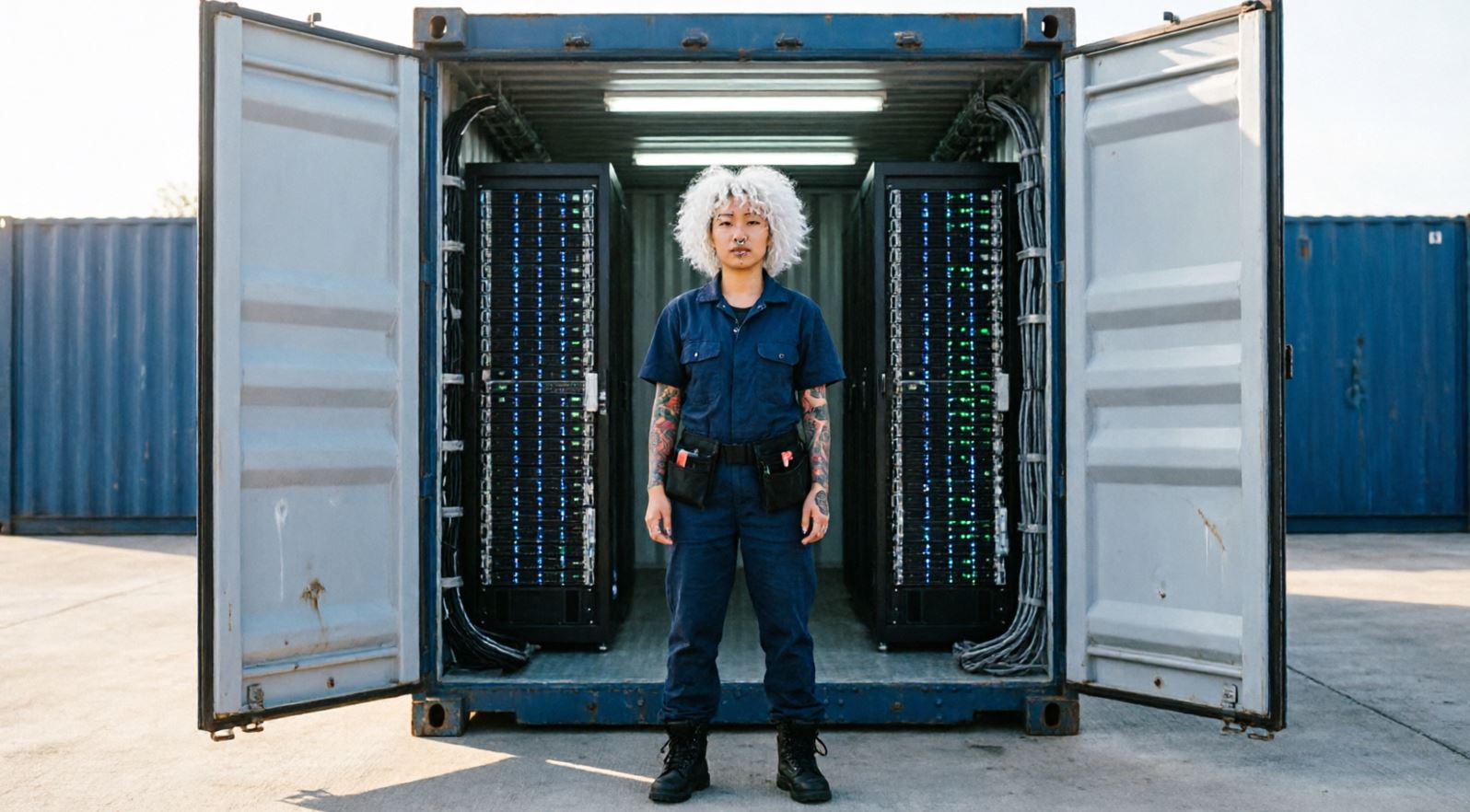
Businesses need to deploy servers, but building a permanent structure is time-consuming and expensive.
What it looks like: A container with a raised floor for cable routing, precision air conditioners, gas fire suppression, and electromagnetic interference shielding.
Which container you need: 20' DC (holds up to 8–10 standard racks).
Condition: ISO / One-Trip. Dust and moisture are the main enemies of servers, so perfect airtightness and a clean floor without gaps are essential.
7. Medical Modules and Laboratories
Vaccination points, mobile clinics, laboratories for sample collection, or veterinary clinics.
What it looks like: Zoning into "dirty" and "clean" areas, washable walls (laminated panels), bactericidal air recirculators.
Which container you need: 20' HC (for easy movement of people and equipment).
Condition: Strictly new (One-Trip) due to strict sanitary requirements (SanPiN regulations).

8. Security Posts, Checkpoints, and Ticket Booths
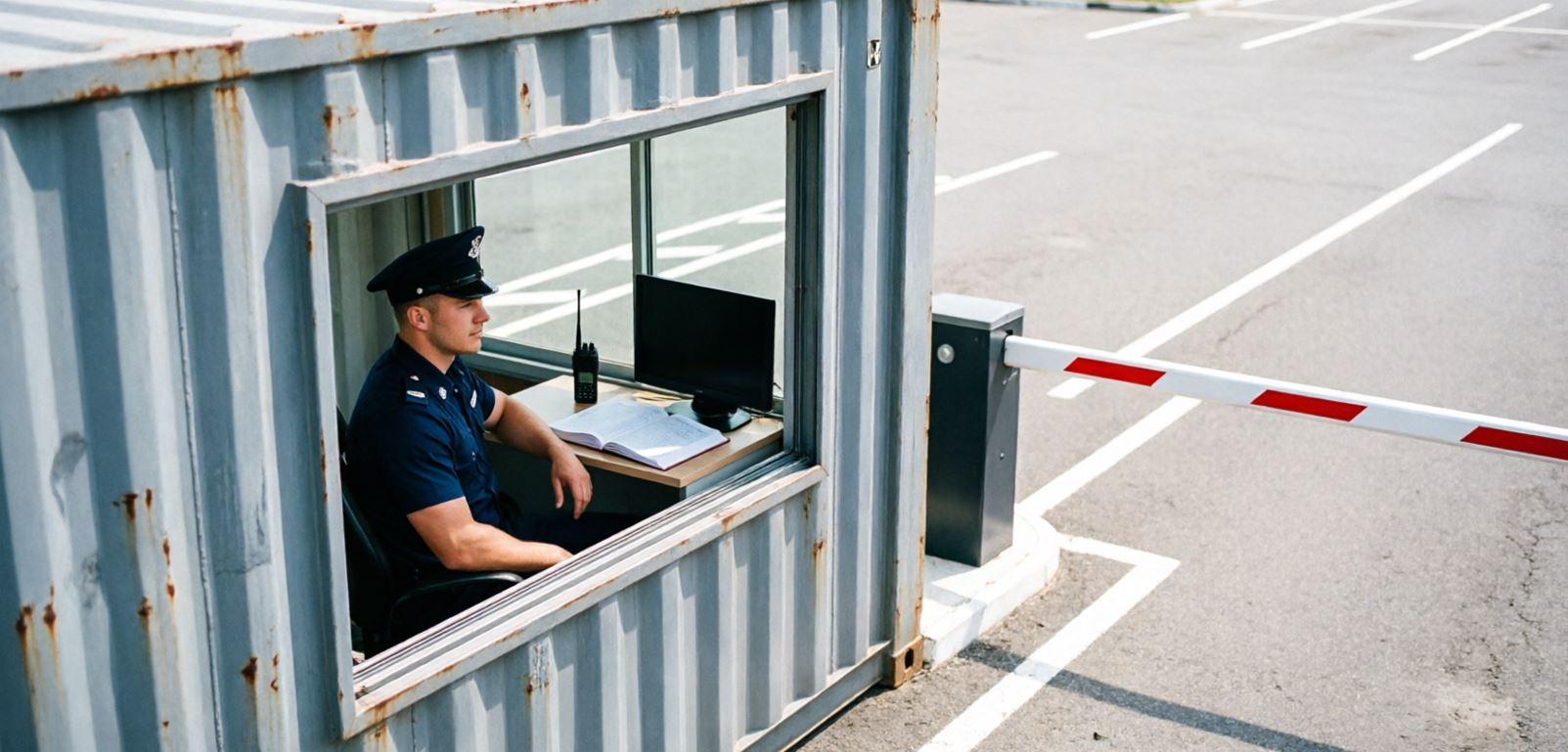
A classic solution for warehouse complexes, paid parking lots, and restricted areas.
What it looks like: A compact module with panoramic glazing around the perimeter for maximum visibility.
Which container you need: A 10-foot container (rare but in-demand format) or a 20' DC divided by a partition into an entryway and a heated room.
Condition: Used Cargo Worthy. A budget solution for utilitarian tasks.
⚠️ 3 Main Mistakes in Container Modification
If you plan to buy a container for conversion, remember these rules to avoid ruining the equipment:
1. Compromising Frame Rigidity
Container walls (corrugated Corten steel) are load-bearing. If you cut out a large panoramic window or door, you weaken the structure.
Solution: Any opening larger than 1 sq. meter must be framed with a welded profile pipe frame (reinforcement). Otherwise, when lifted by a crane, the container will "collapse" diagonally, and the doors will stop closing.
2. Improper Insulation (Dew Point)
Metal conducts heat excellently. If you insulate the container from the inside with regular mineral wool without vapor barriers, moisture will condense on the metal under the insulation.
Result: Hidden corrosion and mold within a couple of months.
Solution: Only spray foam polyurethane (PPU) or extruded polystyrene foam (XPS) with sealed joints.
3. Skimping on Height
Buying a standard 20' DC (height 2.59 m) for housing or a café. After floor insulation (10 cm), ceiling insulation (10 cm), and cable routing, you'll be left with 2.2–2.3 meters. This causes claustrophobia.
Solution: Always look for High Cube (HC) — its starting height of 2.9 m saves the project.
Selection Table: Which Container to Buy for Your Project?
Your Project | Recommended Size | Condition (Budget) | Why? |
Café / Showroom | 20' HC or 40' HC | ISO (New) | Need a premium look; no budget for rust repair. |
Glamping / House | 40' HC | Used CW | Facade will be clad with wood anyway; no point overpaying for new paint. |
Hydroponic Farm | 40' HC | Reefer (Used) | Reefers already have 12 cm factory PPU insulation and airtight doors. |
Construction Site Office | 20' DC or 40' DC | Used WWT | Utilitarian task. Main thing is a non-leaking roof. |
Server Room / Medical Office | 20' DC | ISO (New) | Sterility, dust-free environment, and perfect airtightness required. |
Where to Get a Container for Modification?
Container conversion is a creative and technically complex process. But it all starts with buying the right "blank."
MyContainers supplies shipping containers of all types and conditions for any architectural and business needs:
22 locations in China, over 20 cities in Russia, as well as in Belarus, Turkey, Egypt, Israel, and many other countries. You can buy a container in Moscow, Minsk, Almaty, or Novosibirsk and deliver it to your production site without expensive intercity transport.
Clean documentation. You're buying movable property with a full set of documents (contract, UPD, GTD). You can legally put the modular building on your company's balance sheet, depreciate it, and avoid property tax.
HC selection. High Cube containers (20' and 40') are the most popular item for cargotecture. We keep an expanded stock of these models.
*The information on this page does not constitute a public offer.
*MyContainers is a partner of MyWay.