


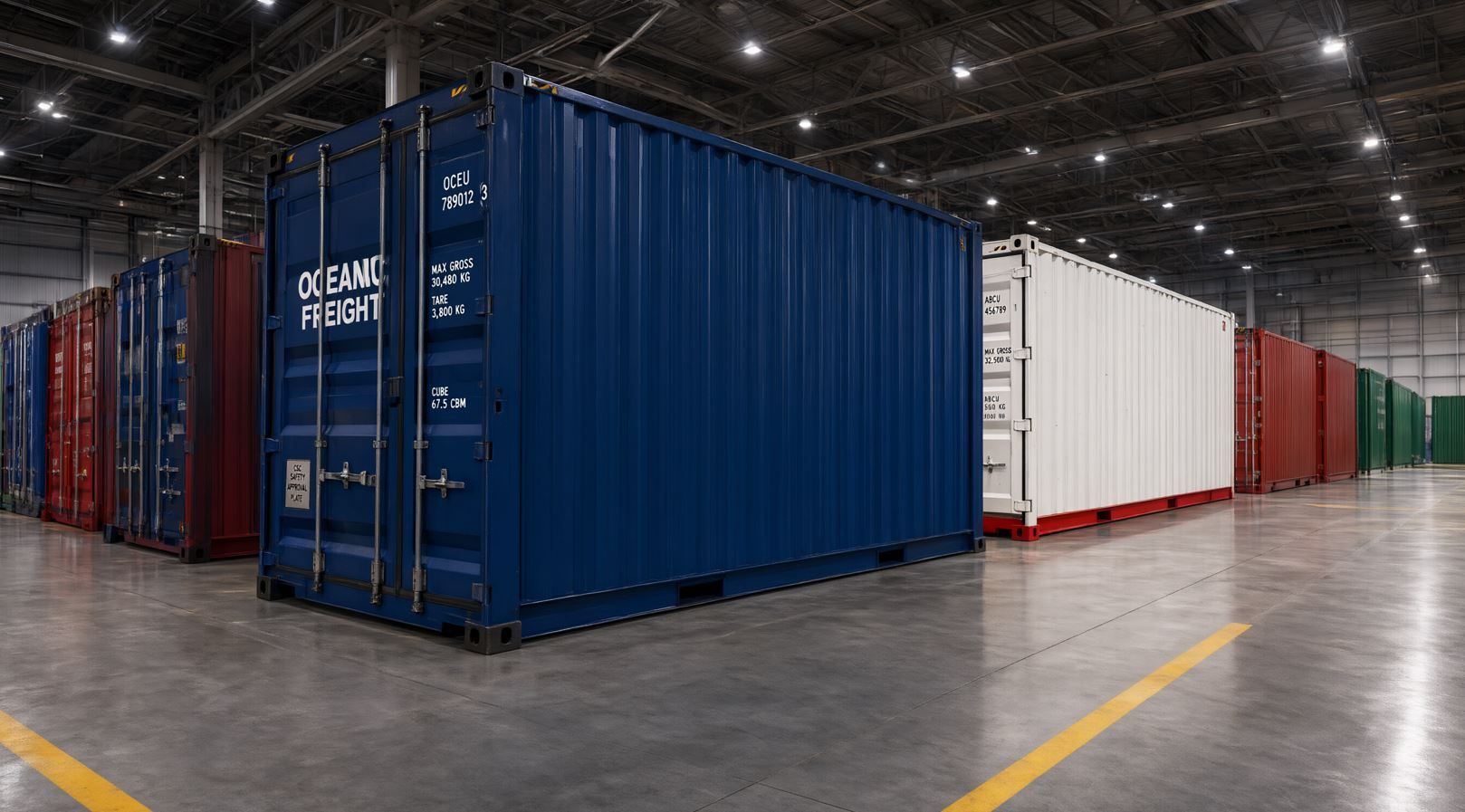
A shipping container is the benchmark of reliability in the logistics world. Made from specialized steel and designed to withstand extreme loads, it seems practically eternal. However, like any engineered structure, it has a finite service life.
A container's lifespan varies drastically depending on how it is used: whether it is enduring aggressive international sea freight or sitting on a plot of land as a storage unit. In this article, we’ll break down real operational lifespans, the factors affecting wear and tear, and what happens to a container after it is decommissioned.
Stage 1: Active Marine Operation (10–15 Years)
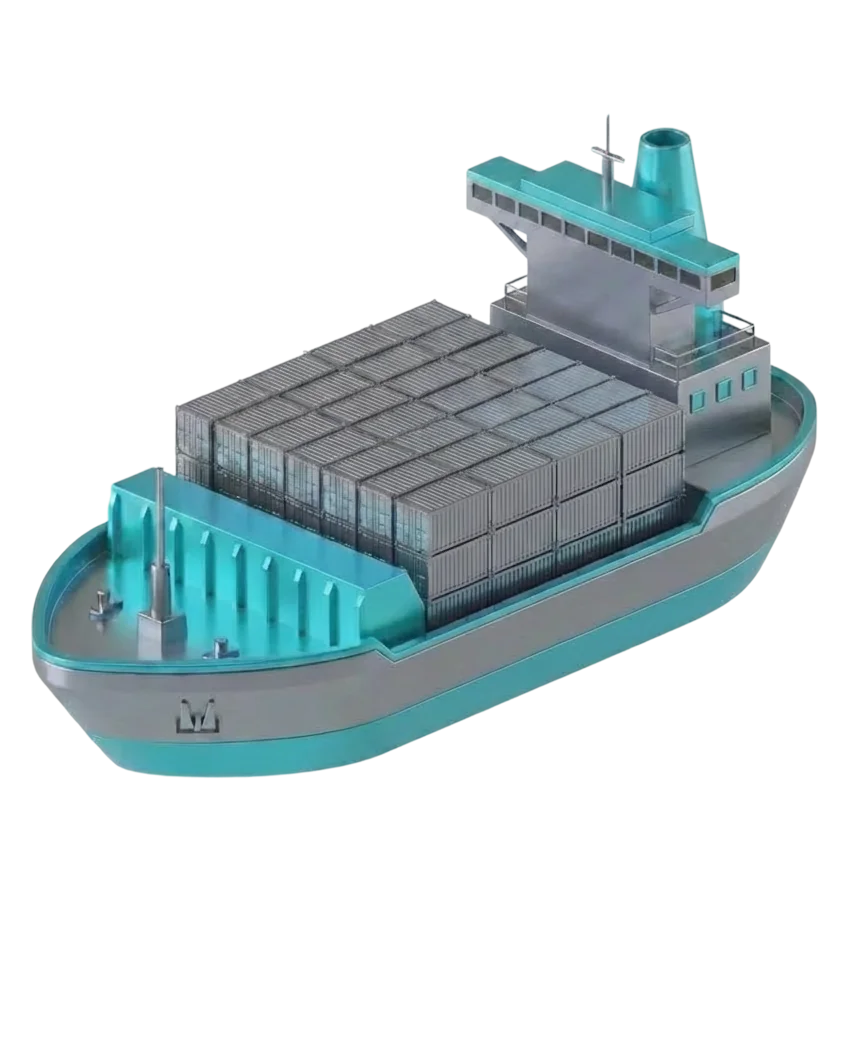
In international logistics, a container faces maximum stress: salty seawater, constant temperature fluctuations, impacts from crane loading, vibration on vessels, and stacking up to 10 tiers high.
Average lifespan in a maritime fleet: 10–15 years.
Why so short? This doesn’t mean the container falls apart after 15 years. It simply no longer meets the strict standards of major shipping lines (such as IICL). Accumulated cosmetic defects, localized corrosion, and metal fatigue make it unsuitable for expensive intercontinental voyages, where downtime due to equipment failure is far too costly.
What happens next? After being retired from sea routes, the container isn’t sent to a landfill. It is reclassified as "Cargo Worthy" (CW) or "Wind and Water Tight" (WWT) and sold for domestic rail or truck transport, or for stationary use.
Stage 2: Stationary Onshore Use (25–50+ Years)
Once a container stops traveling the seas and is installed in a fixed location, its lifespan increases exponentially.
Average lifespan as a storage unit or module: 25–30 years.
With ideal maintenance: 50 years or more.
Why so long? The absence of dynamic loads (impacts, vibrations, heavy stacking) and the ability to perform regular maintenance allow the container to serve for decades. Many containers manufactured in the 1980s are still reliably functioning as garden storage sheds or construction site offices today.
Key Factors Affecting Durability
Material (Corten Steel): Shipping containers are made from Corten (weathering) steel. Its main feature is the ability to form a dense oxide film (patina) on the surface, which protects the inner layers of metal from deep corrosion. This alloy is exactly what makes the container so resilient.
Climate and Environment: A container sitting in a dry, continental climate will last 2–3 times longer than an identical one placed on the coast, where the air is saturated with salt and moisture.
Quality of Maintenance: Regularly touching up scratches, clearing the roof of leaves and debris, and replacing worn door rubber seals critically extend the structure's life.
Proper Installation: A container placed directly on the ground or in a puddle will start to rot from the bottom within a few years. Installing it on concrete blocks, railway sleepers, or screw piles ensures underfloor ventilation and instantly increases its lifespan.
What Happens After Full Decommissioning?
When a container reaches the end of its life cycle (usually 30–40 years after manufacture) and repairs become economically unviable, it is sent for repurposing or recycling.
Modular Architecture: Old but still watertight containers are widely purchased to build offices, cafes, hostels, and even residential homes.
Recycling: If the structure is severely degraded, it is cut up and sent to a steel mill. Corten steel holds high scrap value and is melted down to create new products with minimal loss of quality.
The Bottom Line
When you buy a shipping container, you are investing in one of the most durable structures available on the market. For sea freight, its operational resource is about 10–15 years, but for onshore use with minimal maintenance, it will easily last 25–30 years. A container’s main enemy isn’t time—it’s stagnant moisture and ignored minor damage. Timely painting and proper installation are the keys to ensuring your "metal box" outlasts more than one generation of traditional buildings.
*The information on this page does not constitute a public offer.
*MyContainers is a partner of MyWay.