


Trade between Russia and Egypt continues to grow in 2026, shifting focus from traditional raw material supplies to diversified container traffic. However, logistics on this route have their own specifics: from the strict requirements of Egyptian GOEIC certification to the operational nuances of the Port of Alexandria.
Let's cut through the noise and break down how to properly organize a shipment, which ports to use, what exactly is being transported in both directions, and how to avoid losing money on demurrage and customs delays.
Key Ports of Egypt: Focus on Alexandria
Egypt boasts a well-developed port infrastructure, but for bilateral trade with Russia, three hubs are primarily relevant.
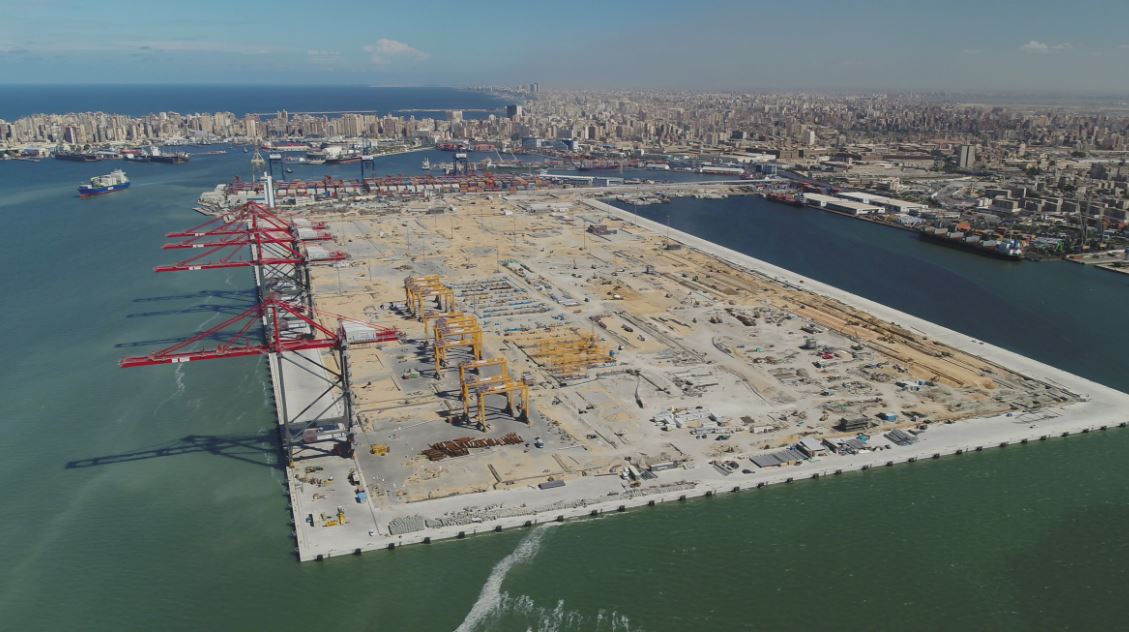
Port of Alexandria and El Dekheila.
Status: The country's main maritime gateway, handling about 60% of Egypt's total container throughput.
Infrastructure: The El Dekheila terminal (AICT) is the most modern and deep-water facility, capable of accommodating large-tonnage vessels. It offers direct rail and road connections to Cairo and the industrial zones of the Nile Delta.
For Russia: 80% of direct or transit container lines from Novorossiysk or via Istanbul call here.
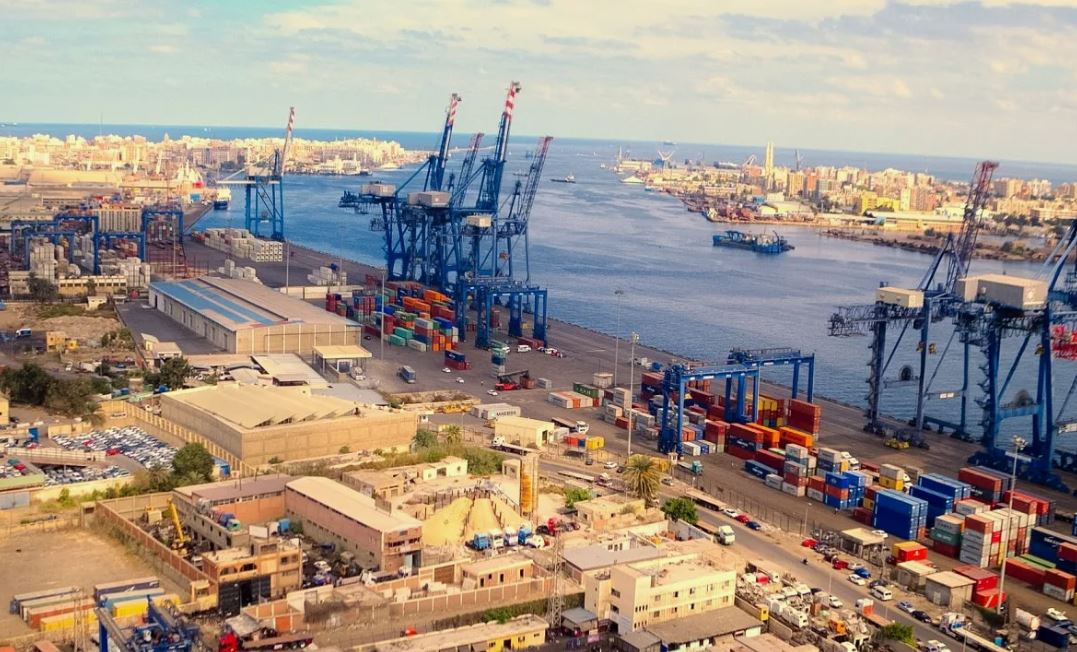
Port Said (East and West).
Status: The largest transit hub on the Suez Canal.
For Russia: Most often used as a transshipment point for cargo heading further to Russia, or for LCL consolidation. Direct vessel calls from Russia are less frequent here.
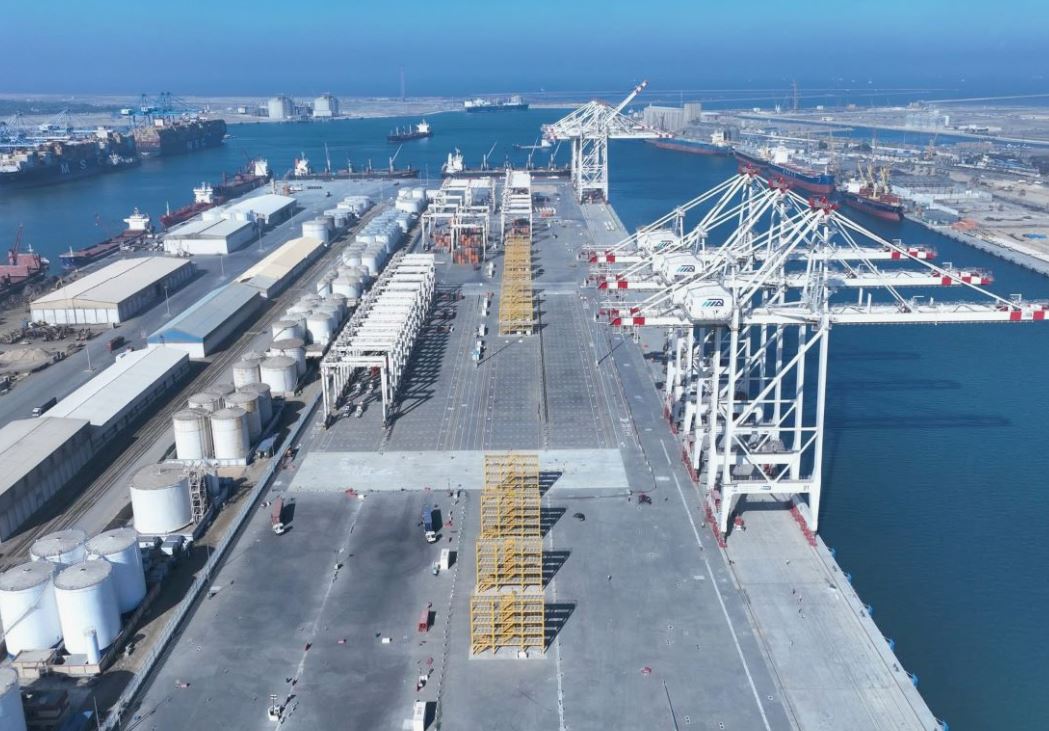
Damietta.
Status: The second-largest container port. It is less congested than Alexandria, which sometimes helps avoid queues, but the overland haul to major consumers in Cairo is slightly longer.
Popular Cargoes: Exports to Russia and Imports to Egypt
Understanding the cargo structure is critical for selecting the right container type (Dry, Reefer, Open Top) and packaging.
Exports from Egypt to Russia (Imports to Russia)
Agricultural products (main volume): Oranges, lemons, potatoes, onions, garlic. Requirement: Strict phytosanitary control by Rosselkhoznadzor. Refrigerated containers (20’ RF) with precooling and continuous temperature monitoring are mandatory.
Industrial goods: Textiles and cotton products, ceramic tiles, household chemicals, building materials (marble, granite).
Processed foods: Canned vegetables, fruit juices.
Exports from Russia to Egypt (Imports to Egypt)
Grains and oils: Wheat and sunflower oil. 2026 Trend: A growing share of containerized wheat shipments (using specialized container liners or flexitanks) for mid-sized Egyptian flour mills that cannot accommodate large bulk carriers.
Metal products and machinery: Ferrous metals, pipe products, equipment for the oil and gas industry.
Timber: Lumber, plywood, OSB boards (in 40’ HC).
Fertilizers: Nitrogen and potash fertilizers (often in big bags inside 20’ DC).
How to Buy and Organize Shipping: A Step-by-Step Algorithm
Step 1. Choosing Equipment Type (COC vs. SOC)
Egyptian customs is notorious for bureaucratic delays. Using a carrier-owned container (COC) is risky: if customs clearance drags on, demurrage and detention charges from the shipping line will wipe out your margin.
Solution: Use a SOC (your own or leased through MyContainers). You pay only for the slot and terminal storage, but you are protected from the line's penalties for late equipment return.
Step 2. Routing
Direct regular container lines between Russia and Egypt are limited. The main schemes are:
Novorossiysk/Tuapse → Alexandria (direct calls, 7–10 days, but irregular).
Russian Ports → Istanbul (Turkey) → Alexandria (transit, 14–21 days, the most stable option).
Step 3. Documentation (The Critical Stage)
For cargo to Egypt: Mandatory registration of the Russian manufacturing plant in the GOEIC (General Organization for Export and Import Control) system. Without this number, the cargo will not clear customs in Alexandria.
For cargo to Russia: A phytosanitary certificate issued by Egyptian authorities and pre-agreed with Rosselkhoznadzor. Any typo in the Latin spelling of the variety or the HS code will result in the cargo being returned or destroyed.
Hidden Risks and How to Avoid Them
The GOEIC issue. Egypt periodically updates its list of banned imports and tightens registration rules. Always verify that your product's HS code is current in the GOEIC registry before shipping.
Reefer plug shortages. During the peak citrus export season (November–February) at the Port of Alexandria, there is a shortage of powered reefer plugs. Book your slots and plug-ins at least 3 weeks in advance.
Currency settlements. In 2026, direct USD payments are complicated. Work through banks that support settlements in national currencies (RUB/EGP) or use trusted financial intermediaries to avoid having your freight payments frozen.
*The information on this page does not constitute a public offer.
*MyContainers is a partner of MyWay.