


The evolution of the "New Silk Road" is entering a new phase. In the pursuit of maximum reliability and flexibility, logistics operators are increasingly moving away from traditional single-mode transport routes in favor of combined schemes. A clear confirmation of this trend was the launch on October 28 of the first container train along an innovative multimodal corridor: Zhengzhou — Manzhouli — St. Petersburg — Rotterdam — Duisburg.
This route, combining high-speed rail transport across Eurasia with a maritime leg across the Baltic Sea, is positioned not just as a new option, but as a strategic "safety net" for existing land corridors.
The Anatomy of the New Multimodal Corridor
The route is skillfully divided into three logical stages, each leveraging the advantages of a specific mode of transport:
Rail Leg (China – Russia): The train departs from Zhengzhou (the largest railway hub in central China), crosses the border at the Manzhouli–Zabaikalsk crossing, and travels along the Trans-Siberian Railway to St. Petersburg. This segment ensures high speed and predictability over the longest stretch of the journey.
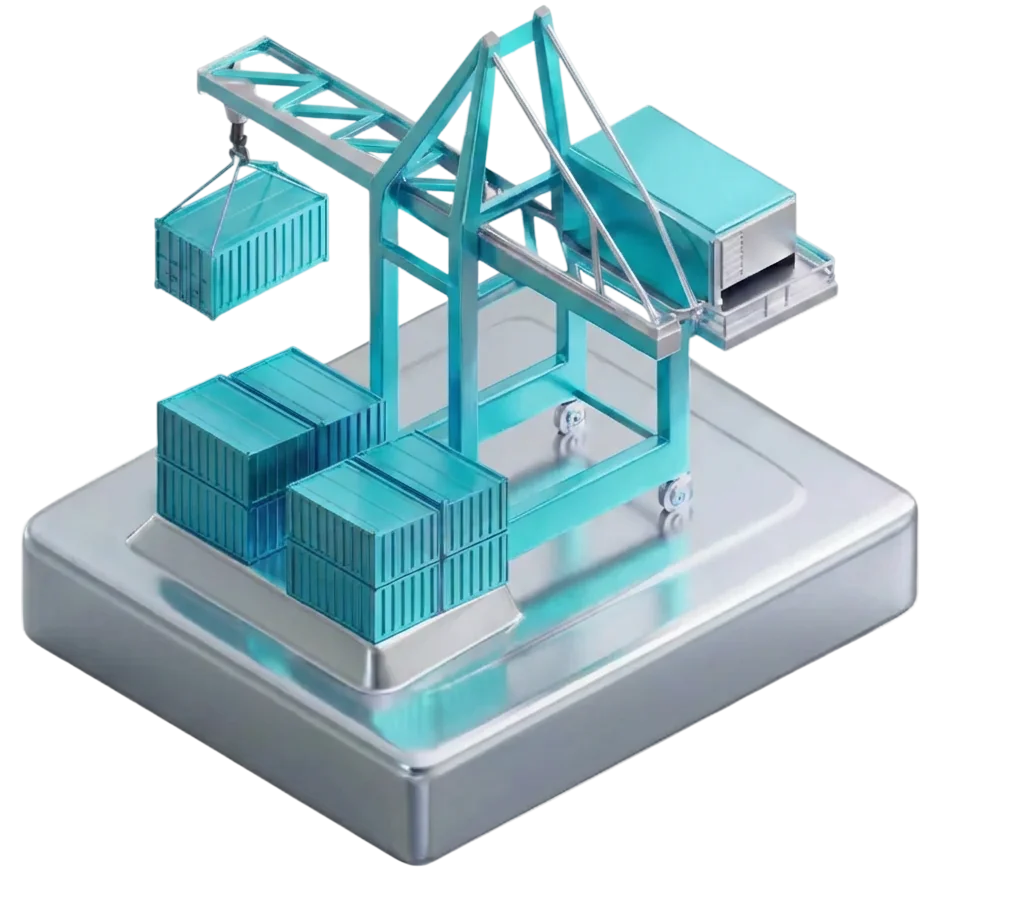
Transfer Hub (St. Petersburg): Russia's northern capital serves as the key node for changing the mode of transport. Here, containers are transferred from railway flatcars to short-sea vessels (feeders or Ro-Ro ferries). The port infrastructure of St. Petersburg and nearby ports (such as Bronka or Ust-Luga) has the necessary capacity to handle such transit quickly.
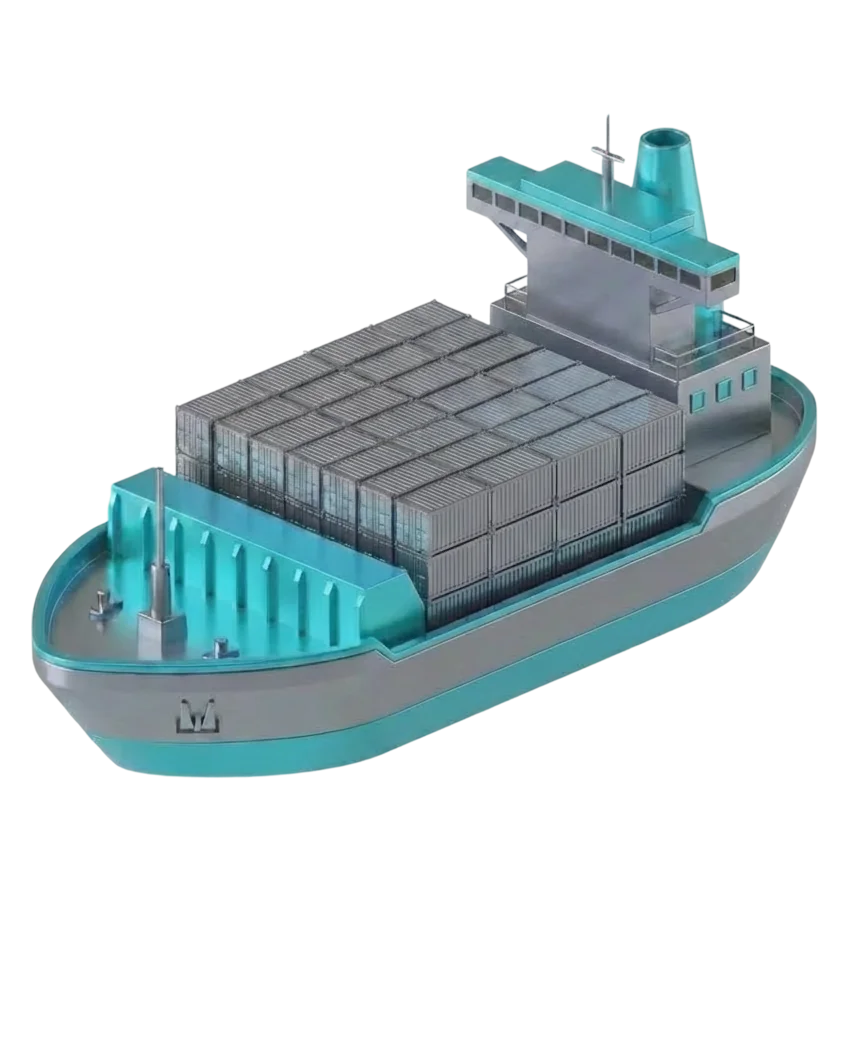
Maritime Leg (Baltic Sea – Europe): The vessel crosses the Baltic Sea, delivering the cargo to the Port of Rotterdam (Netherlands) – the main maritime gateway to Europe. From there, goods are transported via inland waterways or rail to Duisburg (Germany) – the world's largest inland port and the logistical heart of European distribution.
Why It Matters: The Strategic Significance of the Route
The creation of this corridor is driven by the need to reduce risks in global logistics.
Bypassing "Bottlenecks": The traditional land route through Belarus and Poland (the Brest/Malashevichi crossing) regularly faces infrastructure constraints, queues, and geopolitical tensions. The new route completely eliminates this problematic segment.
Flexibility and Reliability: A multimodal scheme is less vulnerable to local disruptions. If a delay occurs on one segment, the logistics operator has more tools for maneuvering than when relying on a single mode of transport.
Time/Cost Optimization: This route is significantly faster than full sea freight via the Suez Canal (saving up to 15–20 days) and often proves more stable in terms of timing than pure rail delivery via the EU's western border, due to the absence of transloading queues.
Cargo Flow Structure
The new corridor is ideal for high-value-added goods where both speed and safety are crucial:
From China to Europe: Electronics, solar panels, auto components, industrial equipment, home appliances, and consumer goods.
From Europe to China: Premium consumer goods, chemical products, high-tech manufacturing equipment, and automotive parts.
Practical Takeaway
The launch of the Zhengzhou — St. Petersburg — Rotterdam route marks a transition from the concept of a "single best route" to that of a "resilient logistics network." For shippers, this means the emergence of a real tool for risk diversification. Using St. Petersburg as a multimodal hub not only relieves traditional land crossings but also opens up new opportunities for developing the port infrastructure of Northwestern Russia.
*Information on this page does not constitute a public offer.
*MyContainers is a partner of MyWay.