



Iraq–Russia and China–Iraq Logistics: Umm Qasr Port, Cargo, and How Not to Lose Your Container
Iraq is a market with high demand for imports and almost no domestic production outside of the oil sector. Following the stabilization of the situation, Russian exporters have started moving in: grain, timber, equipment, and building materials. The route is not easy, but the margins are higher than in "calmer" markets. Let’s break down how to ship, through which ports, what to load, and which container to choose.
Key Terminals in Iraq
Iraq has access to the Persian Gulf in the south. Depending on the cargo's origin and destination, different ports and routes are selected.
Southern Ports (Main Container Flow):
Umm Qasr: The main and practically the only deep-water port in the country, located in the south near the Kuwaiti border. It handles the vast majority of containers, grain, and breakbulk cargo. It consists of two parts: North Port and South Port. North Port is more geared towards containers and breakbulk cargo, while South Port handles bulk cargo (grain, cement, fertilizers).
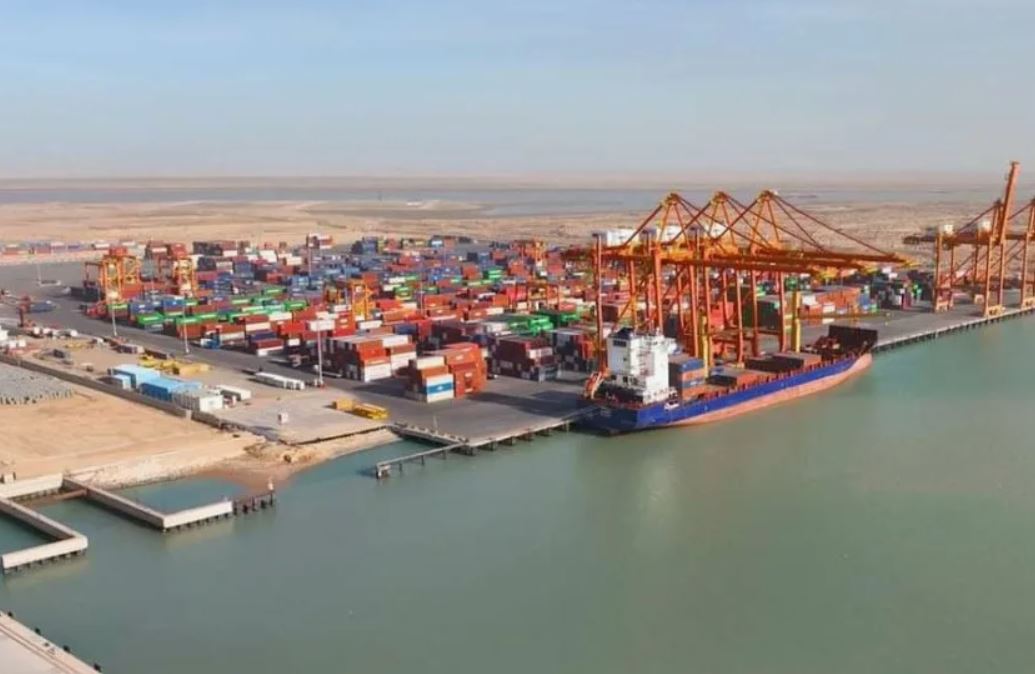
Practical note: The infrastructure is worn, there is a shortage of cranes, and berth depths are limited (up to 10–12 meters). Large ocean-going vessels rarely call here; it is mostly served by feeder vessels from Jebel Ali (UAE), Bandar Abbas (Iran), or Indian ports.
Overland Alternatives:
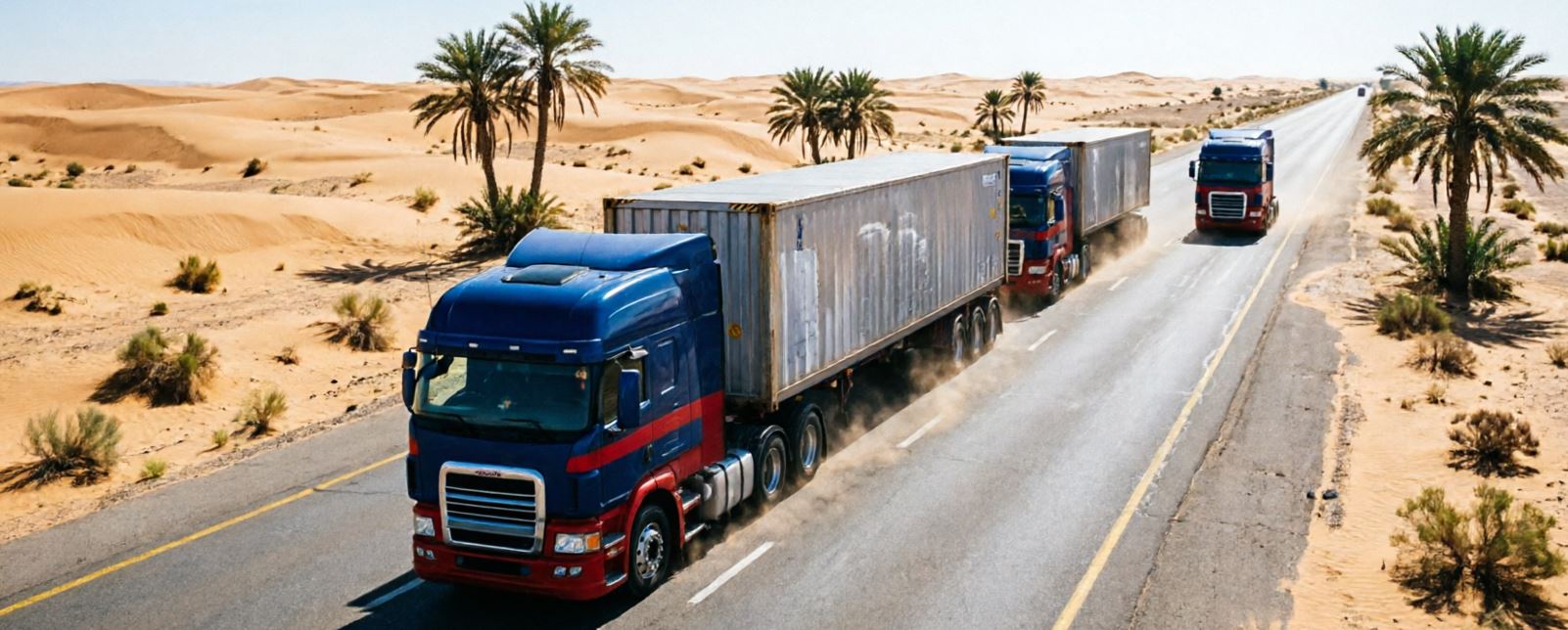
Via Iran: Cargo arrives at Bandar Abbas or Bandar Imam Khomeini, then moves by road through border crossings like Shalamcheh, Mehran, or Khosravi. The transit time is longer, but it is often cheaper and more reliable than a direct call at Umm Qasr (fewer queues, lower port charges).
Via Turkey: Mersin port, then by road to the Ibrahim Khalil/Khabur border crossing. Used for cargo from Europe and western Russia, but unprofitable for eastern cargo.
Via Jordan: Aqaba port, then by road to Iraq (for cargo from the Red Sea).
In practice, 80% of Russian containers to Iraq go through Umm Qasr or via Iran.
What is Shipped from Russia to Iraq
Demand for Russian products is consistently high. The main categories include:
Grain and Flour
Iraq is a major food importer. From Russia, we see:Wheat (often under government contracts), barley, corn.
Flour in 25–50 kg bags.
Bulk grain travels on bulk carriers, but containerized shipments in big bags are also in demand (for private mills). For containers, 20DC is used — the cargo is heavy.
Building Materials
Iraq is actively rebuilding (housing, roads, oil infrastructure). From Russia:Rebar, metal products, pipes.
Timber, plywood (to a lesser extent than in the KSA).
Cement, dry mixes (less common due to local production).
Heavy cargo — 20DC.
Oil and Gas Equipment
Pumps, compressors, drilling rigs (disassembled), spare parts. Often out-of-gauge (OOG), but standard equipment travels in 20DC or 40HC.Food Products
Sunflower oil (flexitanks in 20-footers), confectionery, baby food. Chocolate strictly requires a reefer.Timber and Wood Processing
Iraq has almost no domestic timber. Boards, beams, and plywood travel in 40HC (bulky cargo).
What is Shipped from Iraq to Russia
Backhaul cargo from Iraq is rare. It mainly consists of:
Oil products (but this is liquid bulk, not containers).
Dates (Iraqi varieties are among the best in the world, but volumes are small).
Wool, leather (in small batches).
Polymers (Iraq has a petrochemical industry, but exports are unstable).
Therefore, almost all containers return empty. This must be factored into the rate calculation: the cost of the empty return leg is built into the price.
What is Shipped from China to Iraq
China is the main supplier of goods to Iraq. Via Umm Qasr and transit through Iran, the following arrive:
Electronics and Home Appliances: TVs, air conditioners, refrigerators.
Building Materials: Ceramic tiles, sanitary ware, lighting fixtures.
Consumer Goods: Textiles, clothing, footwear.
Auto Parts: Engines, transmissions, body parts.
Industrial Equipment: Machine tools, production lines.
Cargo from China often goes directly to Umm Qasr via feeder lines from Ningbo, Shanghai, or Shenzhen, with transshipment in Jebel Ali or directly (if the line calls at Iraq). Transit via Iran (Bandar Abbas) is also popular due to lower port charges.
Shipping Specifics to Iraq
Sanctions and Payments
Iraq is not under total sanctions like Iran, but its banking system is weak, and USD transfers experience delays. Common workarounds include:
Payments via banks in third countries (UAE, Turkey, Jordan).
Cash settlements via agents (risky).
Cryptocurrency (mainly for small amounts).
The contract must clearly outline the payment mechanism and liability for delays.
Documents
Iraqi customs requires:
Certificate of Origin (usually issued by the Chamber of Commerce).
Invoice and packing list.
For food products: quality certificate and Halal certificate (if meat).
For electronics: certificate of conformity (sometimes).
Bill of Lading with the mandatory notation "Freight Prepaid" (if freight is paid by the shipper).
Important: All documents must be in English and Arabic (or English only with an Arabic translation upon request). Errors in the consignee's name or cargo description lead to delays of days.
Security and Insurance
Risks of theft, damage, and military action (especially in northern and western provinces) are high. Cargo insurance is mandatory, but not all insurance companies are willing to cover Iraq. Rates are higher (0.5–1.5% of the cargo value). It is recommended to insure with "All Risks" coverage and include war risks if the route passes through unstable areas.
Heat and Dust
Summer in Iraq means +50°C in the shade and dust storms. A container in the sun heats up to +75°C. Temperature-sensitive cargo requires a reefer only. For dry cargo, moisture absorbers and airtightness are mandatory.
Weight Restrictions
Iraqi roads are worn, and bridges are weak. The maximum gross weight for a truck-trailer combination is 40–42 tons (depending on the province). This means: cargo in a 20DC should not exceed 23–24 tons, and in a 40HC, up to 22–23 tons.
Delays at Umm Qasr Port
Queues for unloading can reach 7–14 days. Reasons include a shortage of cranes, bureaucracy, and power outages. Allow a minimum of 2 weeks for port operations.
Local Agent
It is impossible to operate without a reliable Iraqi agent (consignee): they are responsible for customs clearance, obtaining permits, and delivery to the final warehouse. Demand recommendations and verify their reputation.
What We Offer
We operate on the Iraq–Russia route (and back), as well as China–Iraq. We maintain a fleet of containers in IICL and CW (Cargo Worthy) condition—meaning they are fully fit for international ocean freight without caveats. For the client, this means the container won't be rejected at the terminal in Umm Qasr or Jebel Ali due to roof holes, and the cargo will arrive dry even in a dust storm.
Available Container Types for Rent:
20DC — standard 20-foot for heavy cargo: grain in big bags, metal, tiles, equipment. Maximum loading, accounting for Iraqi road restrictions, is 23–24 tons.
40DC — standard 40-foot for medium-density cargo.
20HC — high-cube 20-foot, convenient for light but bulky goods with length constraints on the chassis.
40HC — optimal for bulky and light cargo: timber, plywood, textiles, electronics, dry food products.
40-foot Reefers — for meat, dairy, chocolate, and pharmaceuticals. In the Iraqi heat, surviving without a reefer is impossible.
Every container is inspected before dispatch: we check the walls, floor, doors, and seals; for reefers, we verify the cooling unit and sensors. Rental is available for one-way trips or long-term (for cargo accumulation or use as a warehouse on-site). We calculate costs quickly: send us the route, cargo type, weight, and volume, and we will provide specific figures without the "let's check with the manager" runaround.
*The information on this page does not constitute a public offer.
*MyContainers is a partner of MyWay.