



Iran–Russia and China–Iran Logistics: Ports, Cargo, and Operational Specifics
Following the restructuring of global supply chains, Iran has become a much closer and more accessible market for Russian businesses. Trade turnover is growing, evolving from one-off deals into systematic operations. However, this route has distinct characteristics: sanctions, specific payment schemes, unique ports, and specialized regulations. Below, we break down what is actually shipped, through which terminals, and which containers are the best fit.
Key Container Terminals in Iran
Iran has access to the Caspian Sea in the north and the Persian Gulf in the south. Depending on the cargo's origin, different ports are selected.
Southern Ports (Main Container Flow):
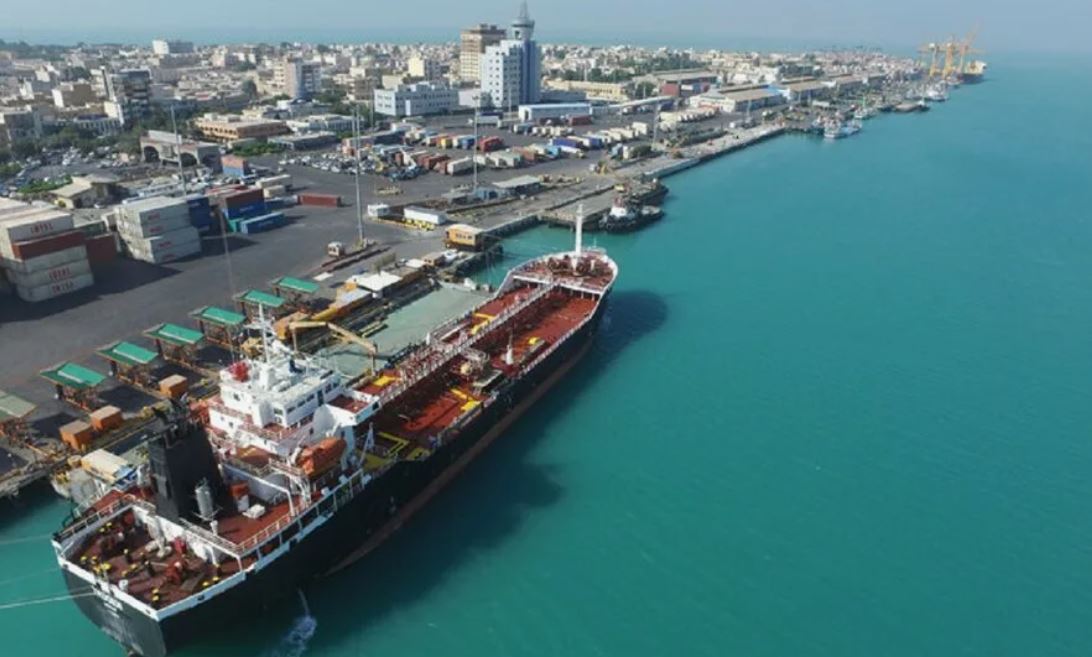
Bandar Abbas: The country's main container port, handling up to 80% of Iran's container imports. Located in the Strait of Hormuz, it accommodates large vessels. The operator is the Shahid Rajaee Port Complex. It features modern berths, reefer plugs, and developed infrastructure. It is the primary route for cargo from China, India, Southeast Asia, and Russian cargo moving by sea via the Suez Canal or around Africa.
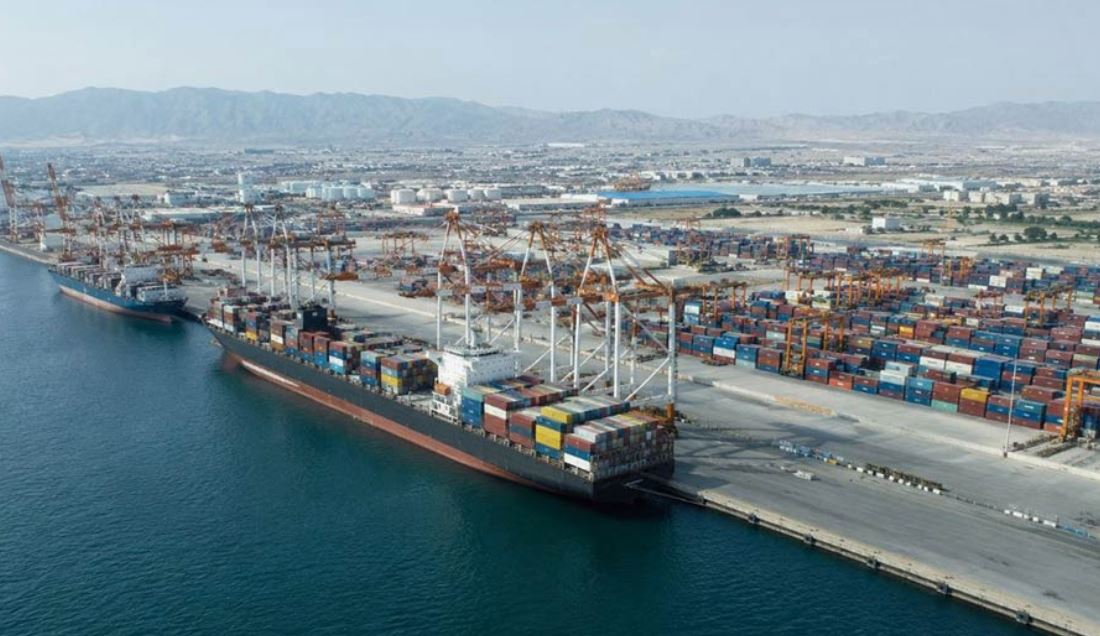
Bandar Imam Khomeini: Located in the northwest of the Persian Gulf, closer to Iraq and Iran's western regions. It specializes in breakbulk and bulk cargo but also handles containers. It is convenient for shipping to Tehran and central provinces, as the rail leg is shorter than from Bandar Abbas. It is actively used for importing grain, timber, and metal products.
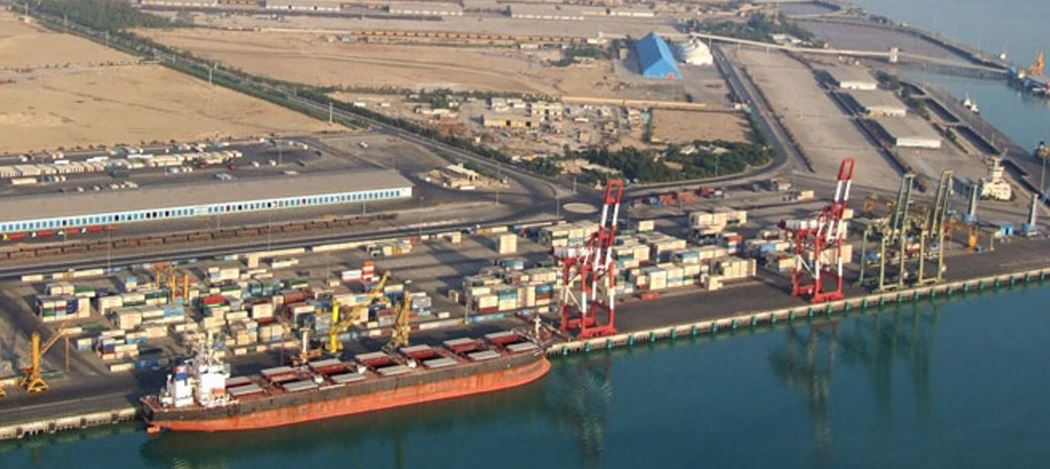
Bushehr: A medium-sized port in the south. Container capacity is limited, but feeder lines occasionally call here. It primarily handles breakbulk cargo and oil products.
Northern Ports (Caspian Sea):
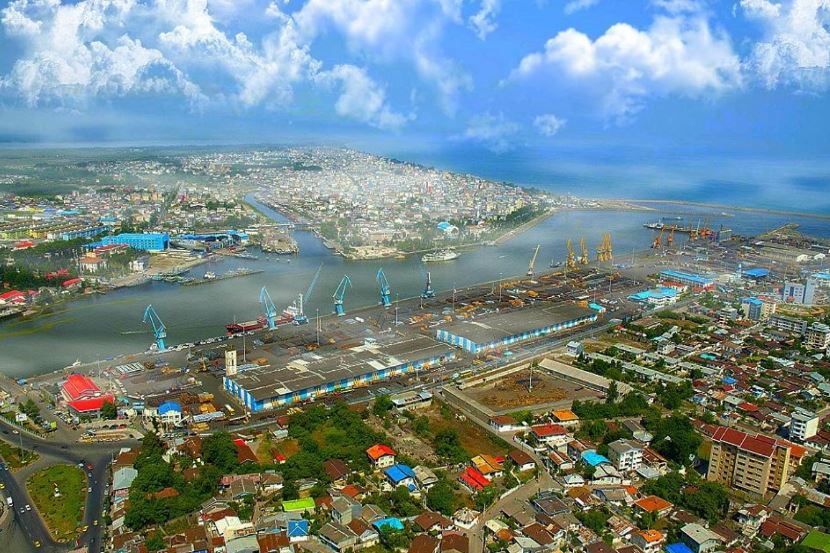
Anzali: Iran's main Caspian port. It receives cargo from Astrakhan, Makhachkala, and Aktau. It handles general cargo and containers (smaller batches). A significant portion of Russian exports (grain, timber, metal, equipment) passes through Anzali. The port is connected to Tehran by road and rail.
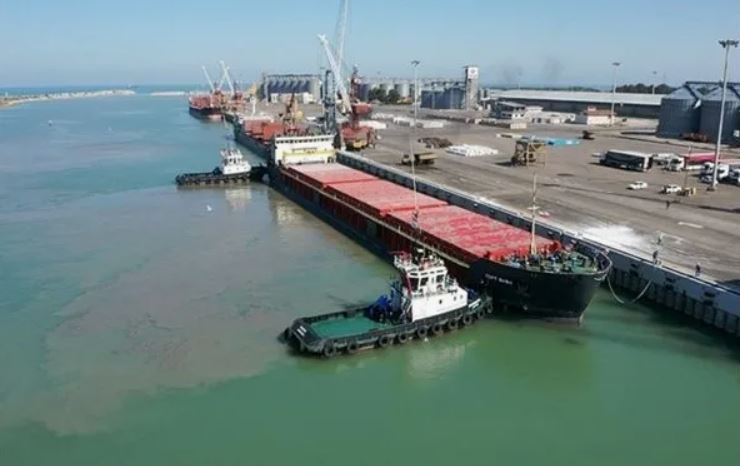
Amirabad: A modern Caspian port built in the 2000s. Well-equipped for transshipping grain and bulk cargo. It has a container terminal, though volumes are currently smaller than in Anzali. It is convenient for deliveries to Iran's northeastern provinces.
What is Shipped from Russia to Iran
The flow from Russia to Iran is steadily growing. The main categories include:
Grain and Oilseeds
Iran is a major food importer, and domestic production is insufficient. From Russia, we see:Wheat, barley, corn – mostly shipped in bulk on bulk carriers, but containerization (in big bags) is growing. For container shipments, 20DC is used, sometimes 40HC.
Sunflower oil – shipped in bulk using flexitanks (in 20-foot containers) or in bottles.
Timber
Iran faces a severe wood shortage. Imports from Russia include:Sawn timber (boards, beams) – shipped in 40HC, as the cargo is bulky and relatively light.
Plywood, veneer, chipboard/MDF – also in 40HC.
Pulpwood and wood chips – rarely in containers (mostly bulk), but container shipments are possible.
Metal Products and Pipes
Iran is developing its oil, gas, and construction sectors. Rebar, steel sheets, and pipes are in high demand. This is heavy cargo, making it ideal for 20DC.Equipment and Spare Parts
Oil and gas, mining, and power generation equipment, pumps, and compressors. Often out-of-gauge (OOG), but standard items travel in 20DC or 40HC.Fertilizers and Chemicals
Ammonium nitrate, urea, ammonium sulfate, etc. Shipped in bags in standard dry containers.Food Products
Confectionery, chocolate, honey, and baby food. Chocolate strictly requires a reefer container.
What is Shipped from Iran to Russia
Backhaul cargo from Iran is diverse and often highly profitable:
Polymers and Plastics
Iran is one of the region's largest polymer producers. Exports to Russia include:Polyethylene (HDPE, LDPE), polypropylene.
PET, polystyrene, ABS plastics.
This is light and bulky cargo, optimal for 40HC. A 20DC is possible if the weight is near the maximum limit.
Dried Fruits and Nuts
Iran is a world leader in pistachios. Other exports include:Pistachios (raw, roasted, salted).
Raisins, dried apricots, prunes.
Dates (less sweet than Saudi varieties, but cheaper).
These goods require dry containers with good ventilation and humidity control. Reefers are not needed, but silica gel is mandatory.
Ceramic Tiles and Porcelain Stoneware
Iranian factories produce good quality tiles at attractive prices. This is heavy cargo, suited for 20DC.Stone and Marble
Iran is famous for marble, travertine, and onyx. Blocks and slabs travel in 20DC (heavy) or on flat racks if out-of-gauge. Container shipments are possible for smaller batches.Building Materials
Cement, gypsum, and dry mixes are periodically shipped to Russia, especially to southern regions. 20DC or 40HC is used depending on density.Textiles and Carpets
Iranian carpets are a premium product, though volumes are small. Machine-made carpets and textiles are shipped in 40HC.
What is Shipped from China to Iran
The China–Iran route is one of the busiest in the region. The main categories include:
Electronics and Components: Smartphones, computers, home appliances, parts. Light and expensive cargo – 40HC.
Industrial Equipment: Machine tools, generators, production lines. Often heavy – 20DC.
Consumer Goods: Clothing, footwear, toys, tableware, household goods. Bulky cargo – 40HC.
Auto Parts: Engines, transmissions, body parts. Mixed weight cargo; the container type is selected individually.
Building Materials: Ceramics, sanitary ware, lighting fixtures. Heavy cargo – 20DC.
Shipping Specifics to Iran
Sanctions Restrictions
Iran is under international sanctions, making direct USD or EUR payments through Western banks often impossible. Workarounds include:
Banks in third countries (Turkey, UAE, China).
Clearing schemes and barter.
Cryptocurrencies (use with caution and at your own risk).
For logistics, this means the contract must allow for payment via an intermediary or in national currencies (RUB/IRR, CNY/IRR).
Certification and Documents
The Iranian National Standards Organization (ISIRI) governs this. Imported products often require a certificate of conformity. Food products need a Halal certificate. Labeling must be in Farsi, or in English duplicated with Farsi. Production dates should follow the Persian calendar (or Gregorian with the Hijri year indicated). Usually, a Gregorian date with a Farsi translation is accepted.
Heat and Dust
Southern Iran experiences +45°C in summer and high coastal humidity. The north has a continental climate with cold winters. Dry cargo must use moisture absorbers. Temperature-sensitive cargo requires a reefer.
Port Delays
Bandar Abbas is periodically congested, especially in peak seasons (spring, autumn). Allow an extra 3–7 days for unloading and clearance. Book reefer plugs in advance.
Weight Restrictions
Road limits for truck-trailer combinations in Iran are 40 tons (up to 44 tons in some provinces). This is stricter than in the UAE and KSA. Therefore, maximum loading is around 24–25 tons in a 20DC, and 23–24 tons in a 40HC. Heavy cargo requires precise calculation.
Shipping Line Specifics
Not all ocean lines call directly at Iranian ports. Feeder services via the UAE (Jebel Ali) or India are often used. This increases transit time but offers flexibility.
What We Offer
We operate on the Iran–Russia route (and back), as well as China–Iran. We maintain a fleet of containers in IICL and CW (Cargo Worthy) condition—meaning they are fully fit for ocean freight without caveats. For the client, this means the container won't be rejected at the terminal due to roof holes or bent doors, ensuring the cargo arrives dry and intact.
Available Container Types for Rent:
20DC: The standard for heavy cargo: metal, tiles, grain, equipment. Handles up to 24–25 tons of cargo, accounting for Iranian road restrictions.
40DC: Standard 40-foot, for medium-density cargo.
20HC: High-cube 20-foot, for light but bulky goods with length constraints.
40HC: Optimal for bulky and light cargo: polymers, textiles, electronics, dried fruits.
40-foot Reefers: For meat, dairy, chocolate, and pharmaceuticals. In the heat of Persian Gulf ports, a reefer is indispensable.
Every container is inspected before dispatch: we check the walls, floor, and doors; for reefers, we verify the cooling unit and sensors. Rental is available for one-way trips or long-term (for cargo accumulation or warehouse use). We calculate costs quickly: send us the route, cargo type, weight, and volume, and we will provide specific figures without the "let's check with the manager" runaround.
*The information on this page does not constitute a public offer.
*MyContainers is a partner of MyWay.