



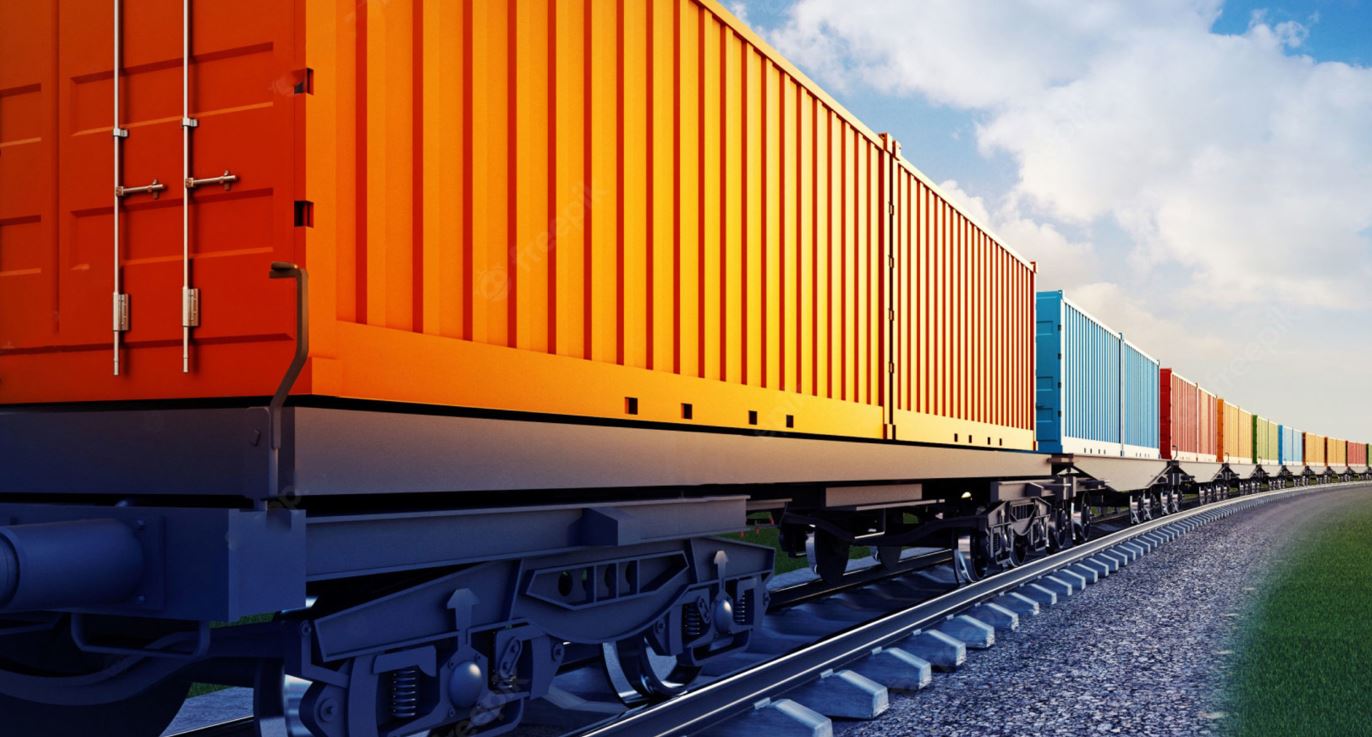
Russian agricultural exports continue to master new logistics corridors, and rail container transportation is becoming an increasingly demanded tool for delivering agricultural products to Asia. A vivid confirmation of this trend was the event on November 3, 2026: the South-Eastern Railway (SER) dispatched the first direct container train with peas from the Tambov region to China.
This launch is not merely adding another route to the schedule; it opens a new chapter in the export of Russian pulse crops, demonstrating the readiness of railway infrastructure to handle new cargo categories.
Details of the New Route
The direct container train dispatched from the Tambov region became the first of its kind for this specific region and cargo type.
Cargo: Peas — one of the key pulse crops grown in the Chernozem (Black Earth) region. The Tambov region is one of the leading producers of this crop in Russia.
Shipping Format: Containerized freight, which ensures cargo safety, simplifies customs clearance, and allows direct delivery to the consignee's warehouse in China without intermediate transshipment or devanning.
Operator: South-Eastern Railway — a branch of JSC "Russian Railways" (RZD), serving key agricultural regions of Central Russia (Voronezh, Tambov, Lipetsk, Belgorod regions, and others).
Why Containerized Pea Shipping is a Breakthrough
Traditionally, agricultural exports from Russia were carried out predominantly in bulk via seaports of the Azov-Black Sea basin or Far Eastern ports. Direct containerized shipping of peas from the production region to China offers several distinct advantages:
Quality Preservation: The container protects peas from moisture, contamination, and commingling with other cargoes, which is critical for maintaining marketability and nutritional value.
Direct Door-to-Door Delivery: Container shipping enables a "door-to-door" supply chain, bypassing intermediate warehouses and port terminals, which reduces logistics costs and lead times.
Volume Flexibility: Unlike bulk shipments that require forming large lots (thousands of tons), container shipping allows handling smaller volumes (one 20-foot container holds about 20–25 tons of peas), which is highly convenient for small and medium-sized farms.
Risk Diversification: A direct rail route from Central Russia to China reduces dependence on seaports, which can be congested during peak seasons or vulnerable to adverse weather factors.
Context: Russia-China Agricultural Trade
China remains one of the key markets for Russian agricultural exports. Demand for Russian agricultural products in the PRC is steadily growing due to high quality and competitive pricing.
Main categories of Russian exports to China:
Grains (wheat, barley, corn)
Pulses (soybeans, peas, lentils)
Oilseeds and vegetable oils (sunflower, rapeseed, soybean)
Meat and meat products (pork, poultry, beef)
Fish and seafood
Confectionery and processed products
Peas hold a special place on this list. China is the world's largest importer of peas, and Russia is gradually increasing its market share, successfully competing with traditional suppliers from Canada and Australia.
Role of the South-Eastern Railway
SER plays a strategic role in ensuring export transportation from agricultural regions of Central Russia. The railway is actively developing container services, adapting its infrastructure to meet farmers' needs.
Development of Container Terminals: Container yards equipped with specialized handling equipment for loaded containers are being created and modernized at SER stations.
Specialized Trains: The launch of direct container trains (including pea shipments) optimizes logistics and reduces overall delivery times.
Integration with Border Crossings: SER ensures seamless cargo delivery to key border crossings with China (Zabaikalsk/Manzhouli, Grodekovo/Suifenhe), from where cargoes proceed deeper into China via the Chinese railway network.
Practical Conclusion
The launch of the first direct container train with peas from the Tambov region to China is not just a local event, but part of a systemic transformation of Russian agricultural exports. Rail container transportation is becoming a full-fledged alternative to bulk sea shipments, offering farmers flexibility, cargo safety, and direct delivery to the end consignee.
For farms and agro-holdings, this means gaining a new tool for entering the Chinese market without the need to aggregate large lots or depend on port infrastructure. For logistics companies, it means an expanded cargo nomenclature and the development of new, efficient routes.
*The information on this page does not constitute a public offer.
*MyContainers is a partner of MyWay.