

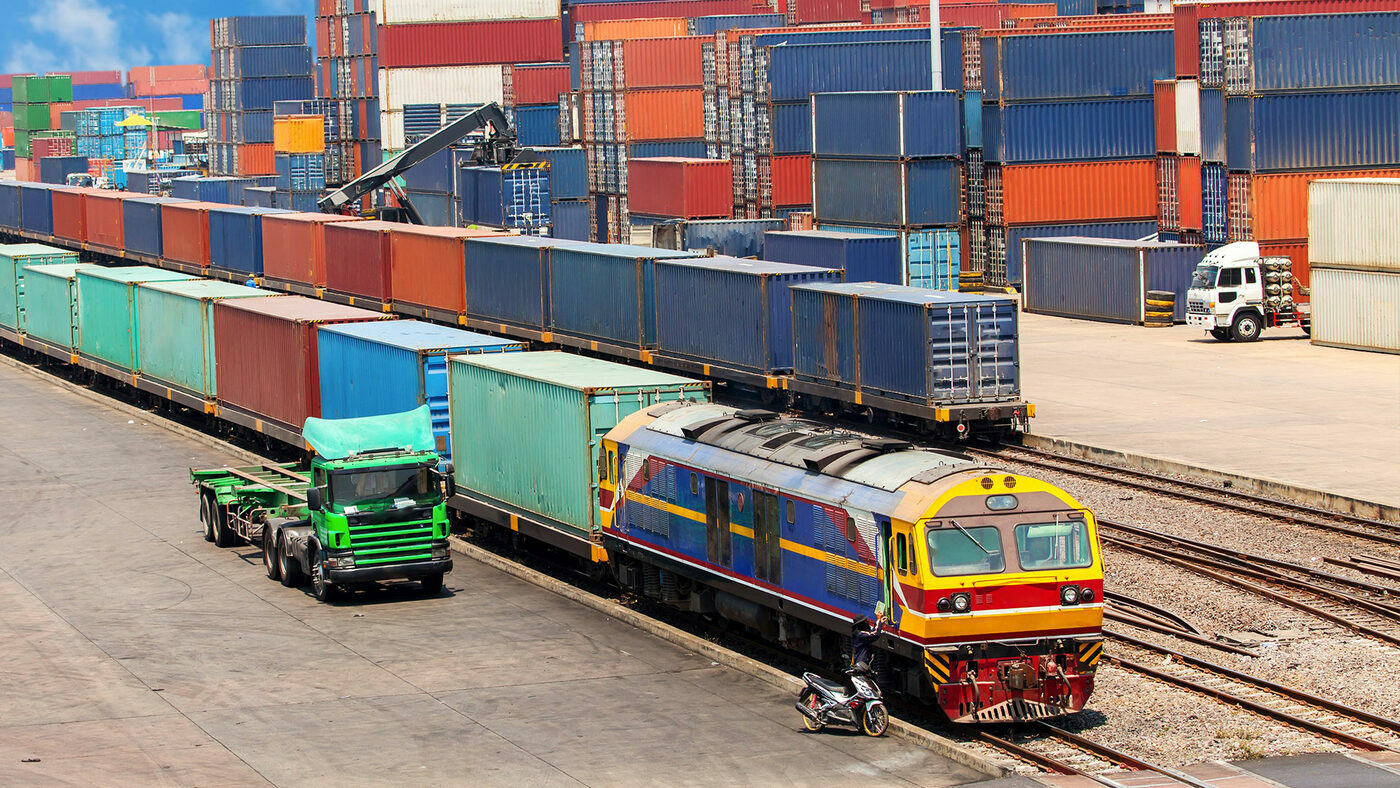
China-Europe rail freight continues to evolve, shifting its focus from purely land-based shipments originating in inland cities to integrated multimodal corridors. A clear confirmation of this trend is the launch of the first direct container train on the Huanghuagang (China) – Duisburg (Germany) route.
The train, loaded with 118 containers of auto parts, covered a distance of 10,719 km in just 20 days. This launch does not merely add another line to the schedule; it demonstrates the high efficiency of the "sea + rail" model, which is changing the rules of the game in global logistics.
The Anatomy of the Route: How the "Sea + Rail" Model Works
Traditional logistics often involves transporting cargo from a coastal port deep into China by truck to a railway station, creating additional costs, risks of damage, and delays. The new route eliminates this "weak link."
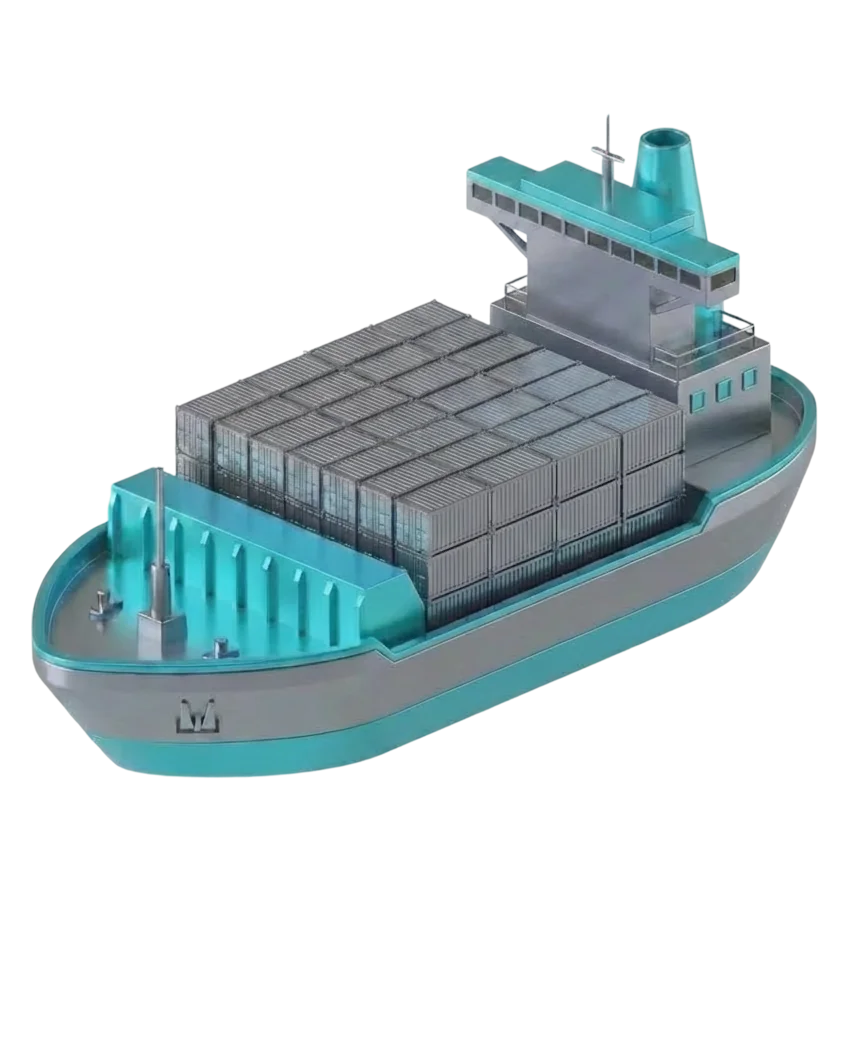
Sea Leg (First Mile): Cargo from various regions of Asia or southern China is delivered by sea directly to the Port of Huanghuagang (Hebei Province). This is one of the largest and fastest-growing ports in Northern China, serving the massive Beijing-Tianjin-Hebei industrial cluster.
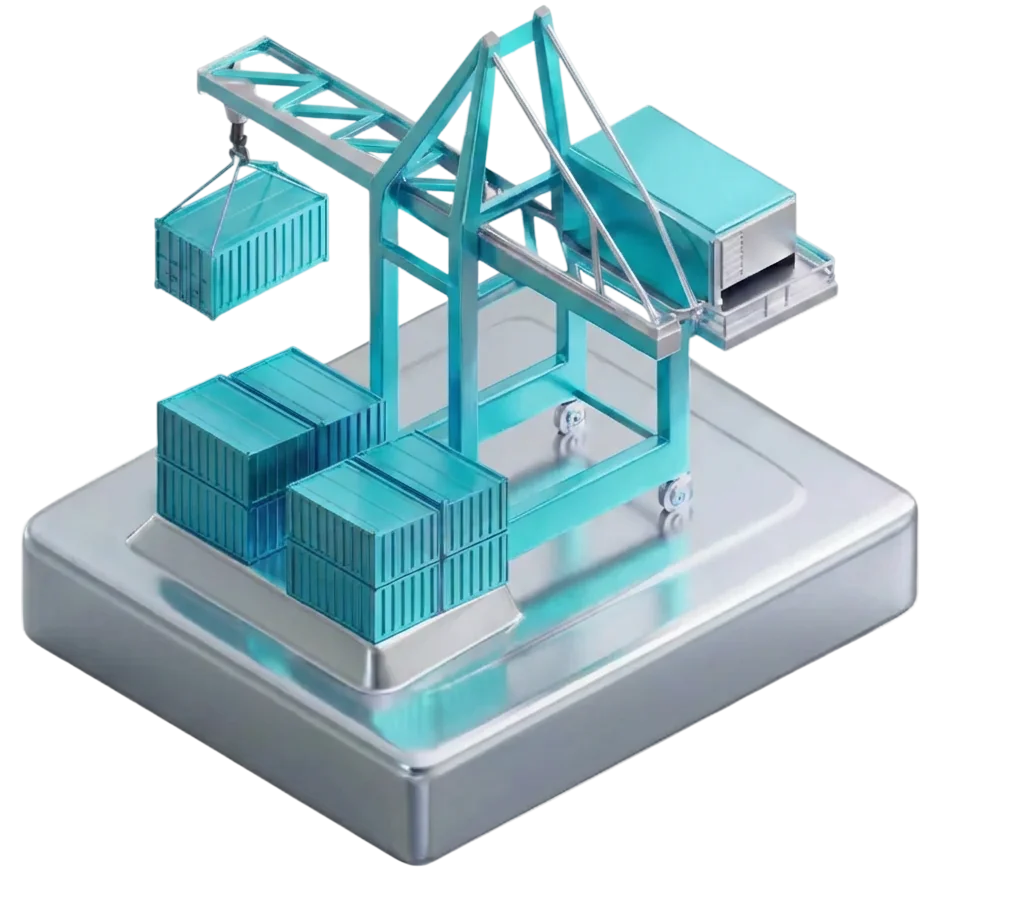
Direct Port Transfer: Containers are transferred from the vessel to railway flatcars directly within the Huanghuagang port area. This eliminates the need for an intermediate trucking leg.
Rail Leg (Middle Mile): The assembled block train departs via border crossings (typically Zabaikalsk/Manzhouli or Alashankou/Dostyk), crosses the territories of Russia and Belarus, and arrives in Duisburg.
Final Distribution: Duisburg, being Europe's largest inland port and logistics hub, ensures rapid unstuffing and distribution of the cargo throughout the EU.
Key Advantages of the New Corridor
Optimal Time/Cost Balance: A 20-day delivery time is the golden mean. It is 15–20 days faster than classic sea freight via the Suez Canal, while being significantly cheaper than air freight.
Reduced Logistics Risks: Direct "ship-to-train" transloading at the port minimizes the number of handling operations. Fewer transfers mean a lower risk of mechanical damage to the cargo (especially critical for auto parts and electronics).
Schedule Stability: The railway schedule is less susceptible to weather conditions or congestion in maritime straits, making delivery times highly predictable.
Relieving Domestic Highways: Routing cargo flows directly from the port reduces the load on China's congested internal road networks.
Cargo Flow Structure
Although the first voyage was dedicated to auto parts (one of the most dynamic sectors of Chinese exports), the route's potential is much broader. This scheme is ideally suited for:
Industrial equipment and machinery.
Electronics and home appliance components.
Fast-moving consumer goods with a limited life cycle.
Chemical products (subject to compliance with dangerous goods transport regulations).
Practical Takeaway
The launch of the direct Huanghuagang – Duisburg train proves that the future of global supply chains lies in flexible multimodal solutions. The "sea + rail" model allows shippers to leverage the cost advantages of sea freight for cargo consolidation near the coast, and then switch to the speed and reliability of rail for delivery into the heart of Europe. For businesses, this means the ability to optimize working capital by accelerating delivery without a critical increase in logistics costs.
*Information on this page does not constitute a public offer.
*MyContainers is a partner of MyWay.