




What is a CW Container?
CW stands for Cargo Worthy. It is not an aesthetic assessment, but a legal and technical certification that the container is safe for ocean freight.
The primary marker of a CW container is a valid CSC (Convention for Safe Containers) safety approval plate. However, the devil is in the details. A CW container may have significant cosmetic defects: deep rust on the corrugated panels, scuffs, forklift dents, or old, hardened rubber door seals.
Key nuance: many shipping lines accept CW containers only upon provision of an M&R (Maintenance and Repair) estimate—an official repair quote from an authorized depot. If defects are present, the charterer may withhold the deposit or demand repairs before the container is approved for vessel loading.
CW, WWT, IICL, and As-Is: An Honest Comparison
IICL (Lessor Standard)
Pristine condition. Perfect geometry, scratch-free flooring, and elastic rubber seals. This container passes acceptance by the strictest lessors, but it commands the highest price.
WWT (Wind and Water Tight)
Guaranteed dryness. The roof and walls do not leak, but exterior aesthetics have suffered from operational use: dents, scuffs, and localized rust are permissible. It often looks decent but may fail a strict pre-trip inspection due to the lack of a fresh CSC certificate.
CW (Cargo Worthy)
The pragmatic workhorse with legitimate documentation. This is the ultimate market compromise: structurally safe for sea transport, but cosmetically "battle-scarred." Door misalignments requiring adjustment or localized floor repairs are possible. You pay less, but must be prepared for minor tweaks.
As-Is ("As Is")
Technically substandard. Penetrating corrosion, deformed corner posts, or non-functional hardware. Unsuitable for international shipping. Purchased exclusively as a parts donor or a rough base for heavy conversion into a modular building.
CW Container Prices in 2026
Costs depend on regional empty equipment imbalances. Below are approximate market prices for mid-2026 (excluding delivery to the final destination):
Region | 20ft Container | 40ft High Cube (HC) |
China (Base EXW/FOB prices) | $1,500 – $2,100 | $1,800 – $3,200 |
Europe (Depots in Małaszewicze, Rotterdam, Hamburg) | $1,500 – $1,900 | $2,200 – $3,500 |
Russia | $980 – $1,800 | $1,050 – $1,800 |
You can find the exact current pricing for CW shipping containers on our website in the Container Sales section: https://ru.my-market.mg/sale-containers
Checklist: How to Inspect a CW Container Before Purchase
Buying Cargo Worthy means assuming some risk. Here is what you or an independent surveyor must check personally:
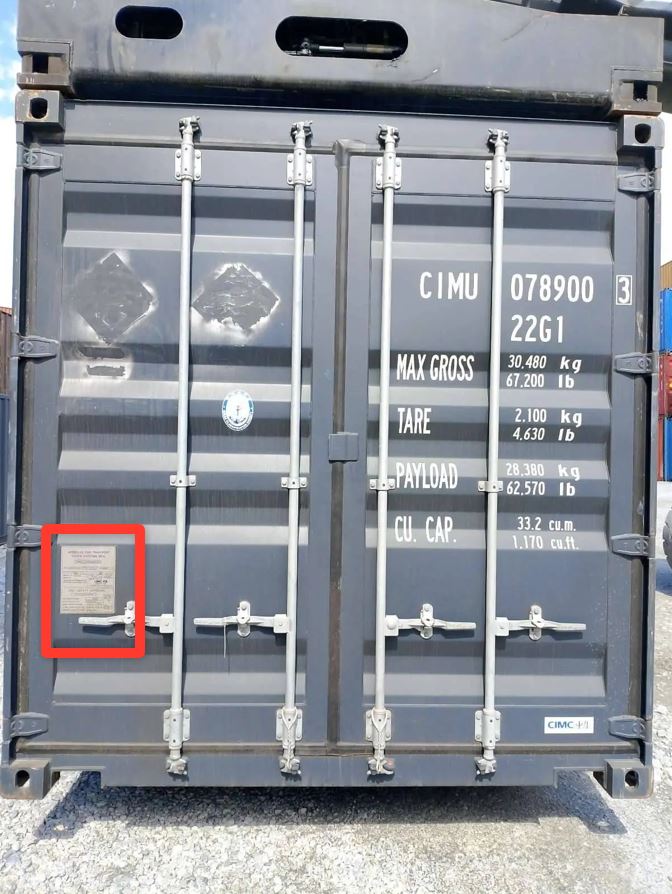
1. CSC Plate
It must be present, legible, and the Next Examination Date must not be expired.
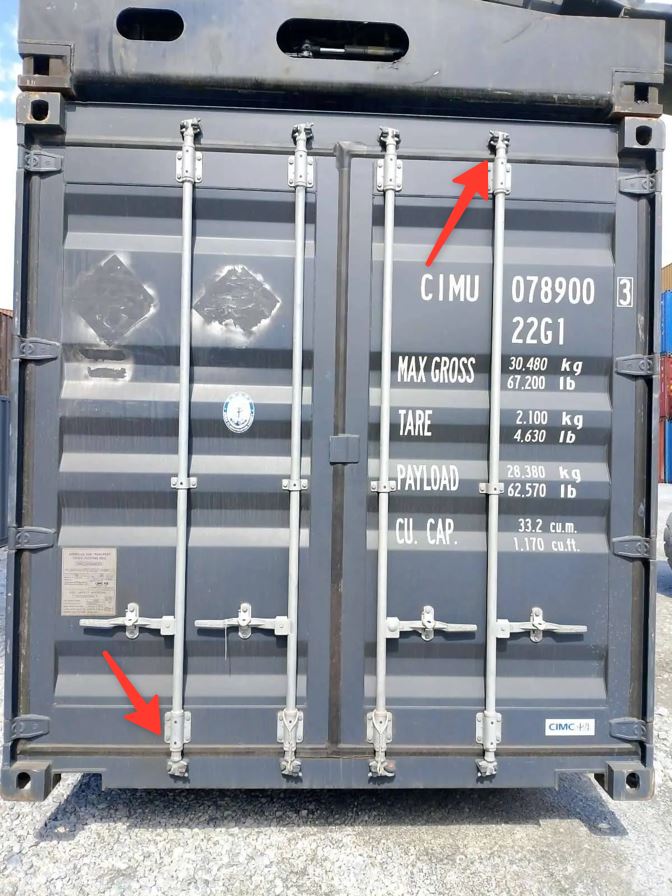
2. Door Locking Bars and Hinges
Open and close the doors. They must operate smoothly without sticking. Door misalignment is a common CW issue that can turn a watertight box into a sieve.
3. Floor Condition
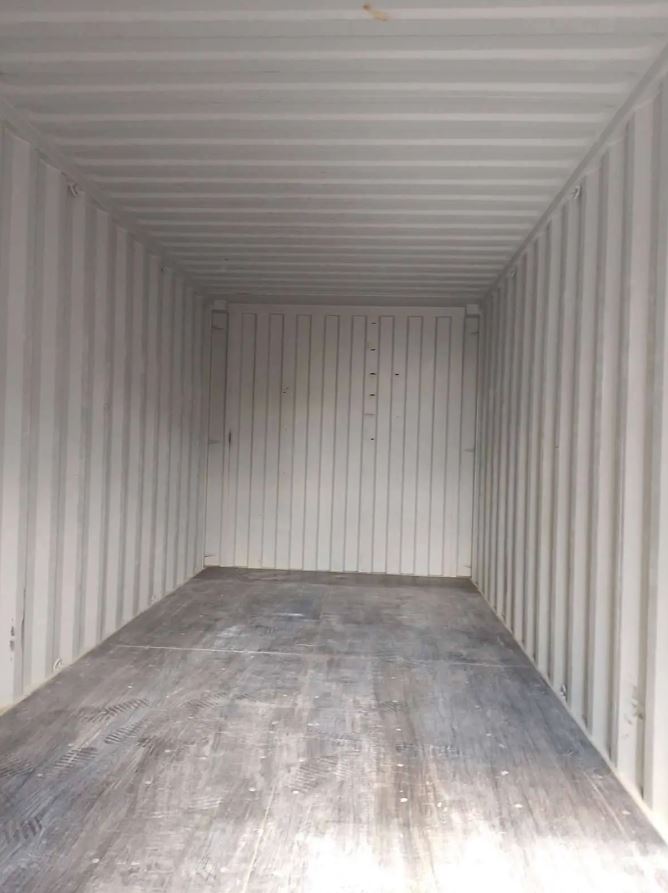
Walk across it. Are there any soft, rotted spots? Scratches and localized board replacements are acceptable, but a "trampoline" effect underfoot is not.
4. Light Test
Close yourself inside during the day. If you see daylight through gaps in the roof, corners, or doors, it is no longer CW, but As-Is.
5. Odor Check
A sharp chemical or musty odor indicates the previous cargo leaked. Removing this from porous wooden flooring is virtually impossible.
When CW is the Right Choice (and When It Is Not)
Choose CW If:
You need legally compliant equipment for a one-off international sea voyage and the budget is limited.
The cargo is insensitive to exterior aesthetics: rolled metal, building materials, or equipment in secure crating.
You are buying a container for static storage and have a crew ready to independently weld a corner, replace a couple of floorboards, and lubricate the hinges (the savings justify the labor).
Avoid CW If:
You are transporting food, pharmaceuticals, or electronics. The risk of condensation from an old seal is too high.
The container is needed "turnkey" for a modular building. Converting a CW unit into an office often consumes all purchase savings due to the volume of welding and finishing work required.
You are not prepared to deal with the charterer's M&R estimate requirements at the port of loading.
*The information on this page does not constitute a public offer.