



Ocean Freight Russia–UAE: What’s Shipped in Containers and Which Port to Choose for Optimal Logistics
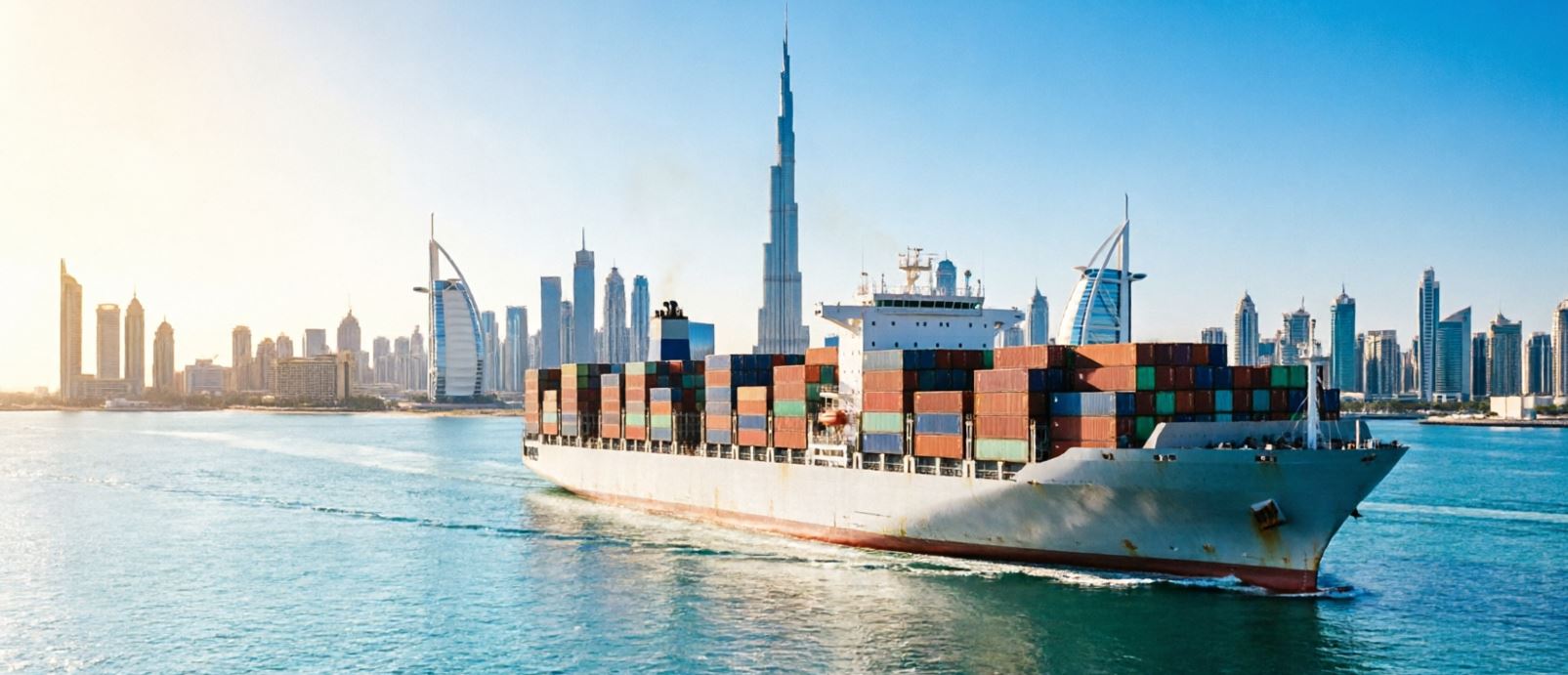
The United Arab Emirates is, in essence, the main transshipment hub of the entire Middle East. If Saudi Arabia is a massive consumer market, the UAE is also a giant re-export hub. Goods arrive at Jebel Ali and are then distributed to Africa, India, Iran, Pakistan, and beyond. For Russian businesses, this means two things: first, you can ship directly here, and second, you can "catch" cargo here that previously had to go through Europe.
UAE Ports for Container Shipping
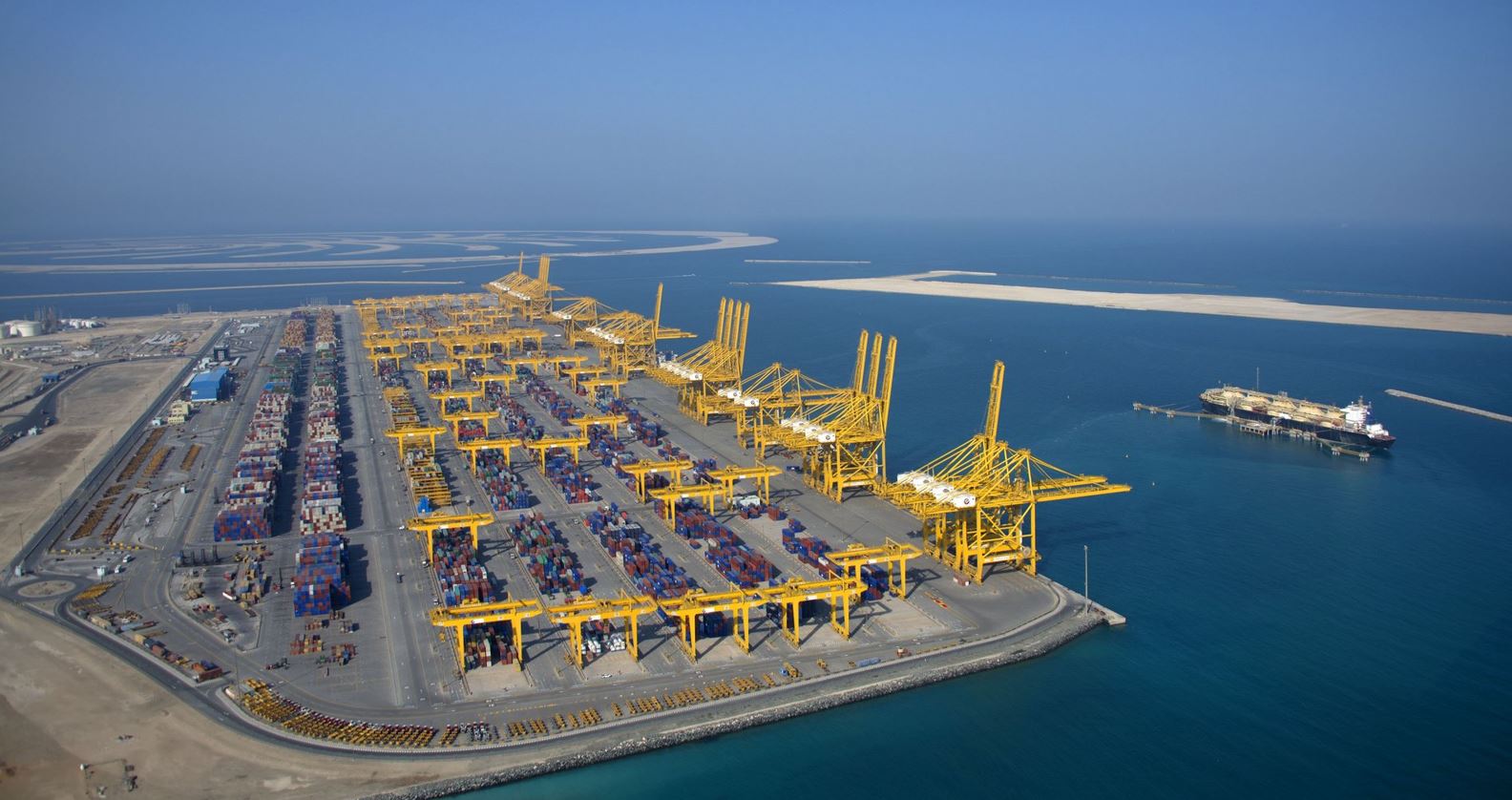
Jebel Ali (Dubai Port)
This isn't just a port; it's a city within a city. It is the largest container terminal in the region and ranks in the top 10 globally by volume. The operator is DP World. It features streamlined logistics and a massive free zone (JAFZA), where cargo can be brought in without paying duties until it is sold.
Practical note: If your cargo is heading to a free zone or for re-export, Jebel Ali is the best choice. However, keep in mind that during peak seasons (before the New Year, during Ramadan), the port can experience slowdowns. Reefer plugs get snapped up quickly, so it's best to book reefer containers well in advance with a time buffer.
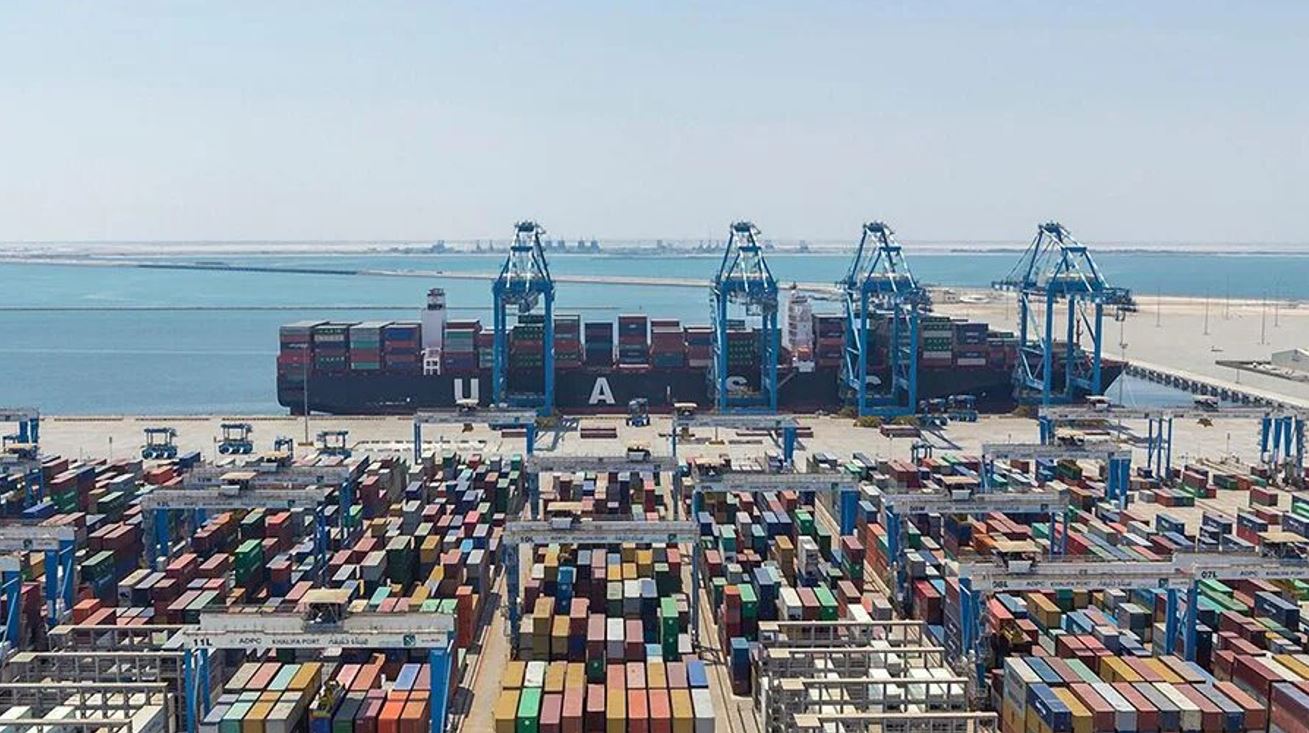
Khalifa Port (Abu Dhabi)
Deep-water, modern, and built for future growth. Located between Abu Dhabi and Dubai in the KIZAD industrial zone. The handling of large container vessels is now actively being shifted here. If Jebel Ali is congested, Khalifa is an excellent alternative. Cargo from Khalifa is conveniently transported to the capital or towards Al Ain.
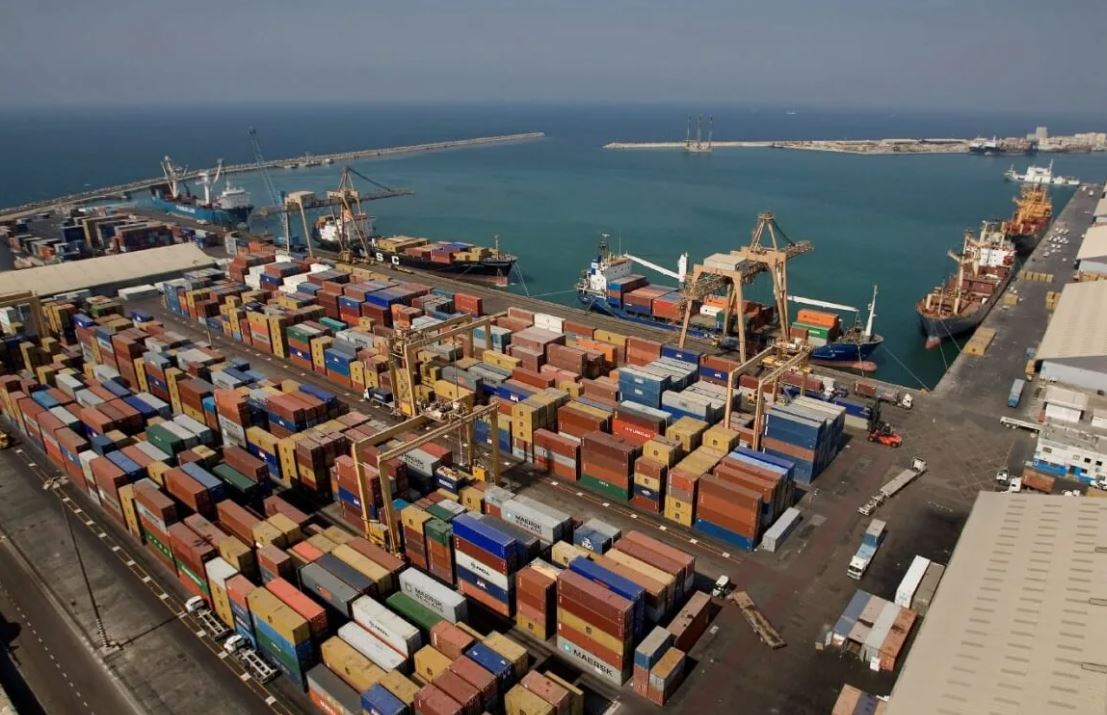
Sharjah (Port Khalid + Hamriyah)
The oldest port in the Emirates, now more focused on breakbulk cargo, out-of-gauge (OOG) shipments, building materials, and machinery. Container lines do call here, but not as massively. However, documentation is often simpler and faster for non-standard cargo.
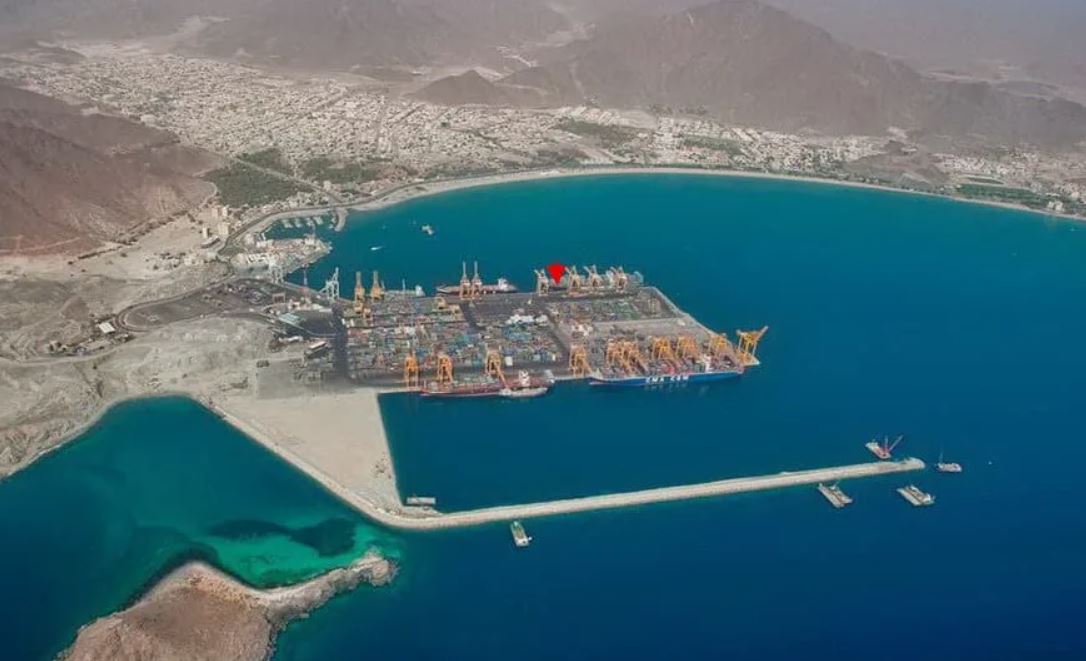
Fujairah, Ras Al Khaimah, and Others
Fujairah is primarily an oil and bunkering port, but it also has container berths. Ras Al Khaimah is actively developing the transshipment of cement, gravel, and building materials. If your cargo is bulk or liquid, these ports are worth considering.
What is Shipped from Russia to the UAE?
1. Food Products
The Emirates do not feed themselves; they primarily re-export food. Russia sells the following here:
Wheat, barley, corn. Shipped in containers either in big bags or in bulk using specialized liner bags. The 20DC is the workhorse here.
Poultry (Halal). Russian poultry is well-received in terms of price and quality. Requirement: reefer only. Temperature: -18°C. In +45°C heat, the reefer works at its limit, so a fresh container with a fully functional unit is essential.
Milk, cheese, confectionery, honey, sunflower oil. Oil in bulk or in bottles is a popular item for flexitanks in 20-foot containers.
Fish and seafood. A smaller stream, but it exists.
2. Building Materials and Timber
The construction boom in Dubai and Abu Dhabi is unstoppable. Metal structures, rebar, plywood, lumber, parquet blocks, ceramics, and insulation. All of this is heavy, making the 20DC unrivaled. 40HC containers are used for light and bulky items (foam, insulation).
3. Equipment and Metal Products
Drilling and pumping equipment, generators, machine tools, compressors, spare parts for the oil industry, and construction machinery. Often heavy, requiring a 20DC or, if it doesn't fit dimensionally, open-top or flat rack containers.
4. Fertilizers and Chemicals
Ammonium nitrate, urea, ammonium sulfate, etc. Shipped in bags or big bags in standard dry containers. Nuance: proper, moisture-resistant packaging is required (in the UAE, summer humidity can be very high due to proximity to the sea).
5. Cosmetics, Household Chemicals, and Consumer Goods
Not the main stream yet, but growing. Cosmetic raw materials, packaging, and hygiene products.
What is Shipped from the UAE to Russia?
1. Electronics and Home Appliances (Re-export)
A massive flow from China, South Korea, and Japan that previously went through Europe has now partially rerouted through Dubai. Smartphones, computers, components, and small appliances. The cargo is light but expensive; it is shipped in 40HC (more cost-effective by volume) and often in reefers if temperature control is required.
2. Polymers and Plastics
Major manufacturers in the UAE (e.g., Borouge) export polyethylene, polypropylene, and PVC compounds. Bags on pallets or big bags. A classic 40HC load.
3. Food Products
Dates, nuts (pistachios, cashews, almonds), dried fruits, spices, tea, coffee. Dry containers with silica gel. Reefers are sometimes required for chocolate or confectionery.
4. Porcelain Stoneware and Tiles
Famous factories in Ras Al Khaimah and Sharjah. Large-format porcelain stoneware (up to 1600×3200). Heavy, loaded into a 20DC to the brim. An excellent backhaul cargo if you brought something to the UAE from Russia.
5. Textiles and Clothing
The UAE is a major textile hub, especially for sportswear and workwear. Light cargo, highly cost-effective in a 40HC.
6. Auto Parts and Equipment
Re-export from Asia. Various categories, from electronics to mechanical parts.
Shipping Specifics: What to Know in Advance
Documents
The UAE operates under the ESMA (Emirates Authority for Standardization and Metrology) certification system. Many goods (electronics, toys, cosmetics) require a certificate of conformity. Food products require a Halal certificate from accredited centers. Labeling must be in Arabic and English. Production dates must be in the day/month/year format.
Free Zones
If your buyer is a company in a free zone (JAFZA, DIC, KIZAD, etc.), the cargo can enter without paying duties. This simplifies logistics and reduces costs for the end client. Often, a container enters a free zone, is repackaged there, and leaves for a third country. This must be taken into account: if the cargo is for re-export, freight rates and conditions may differ.
Heat and Humidity
Summer in the UAE means +45°C and 80–90% humidity on the coast. The difference between day and night temperatures is smaller than in the desert, but still noticeable. A container in the sun heats up to +70°C.
Heat-sensitive cargo (chocolate, candles, creams, medicines) requires a reefer only.
For dry cargo, use moisture absorbers (dry bags), otherwise, you will get condensation and mold.
Weight Restrictions
On UAE roads, the weight limit for a truck-trailer combination is 45 tons (similar to the KSA). Therefore, a 40HC cannot always be loaded to its maximum. For heavy cargo, use a 20DC.
Timelines
From the ports of Novorossiysk or St. Petersburg to Jebel Ali by sea via the Suez Canal takes approximately 20–30 days (depending on the shipping line and schedule), plus transshipment time. If routed via the Far East (for cargo from eastern Russia), it takes longer but is sometimes cheaper.
Which Container to Choose
20DC — for heavy cargo: metal, tiles, cement, grain (in big bags), equipment. Payload up to 28 tons (but on roads, the maximum is 25–26 tons per axle). Optimal when weight is more important than volume.
40HC — for light and bulky cargo: electronics, textiles, polymers, insulation, furniture. Offers savings on the rate per cubic meter, but watch the tonnage: no more than 26 tons gross.
Reefer — mandatory for:
Meat and dairy products;
Fish;
Chocolate and confectionery;
Certain types of cosmetics and pharmaceuticals;
Electronics (if protection from humidity and temperature fluctuations is required).
It is important to get a reefer with a diesel generator (genset) if autonomous operation at a depot or while waiting in line for inspection is planned. Power supply at UAE terminals is better than in some other ports in the region, but having a generator as a backup never hurts.
What We Offer
We operate on the UAE–Russia route and back, as well as the China–UAE route. For these tasks, we maintain our own fleet of containers in IICL and CW technical condition. Behind these abbreviations lies a simple fact: the box is genuinely dry, airtight, and ready for ocean freight. No "beaten-up" doors, leaky roofs, or rotten floors. For the client, this means fewer chances of rejection at Jebel Ali or Khalifa ports, no claims from the consignee, and peace of mind regarding the cargo.
Available Containers for Rent:
20DC — standard 20-foot dry. The baseline option for heavy and dense cargo: metal products, tiles, equipment, cement. Handles up to 26–28 tons of cargo, respecting UAE road restrictions.
40DC — 40-foot dry standard height. Used less frequently than 40HC, but sometimes more cost-effective for heavy cargo where extra height is not needed.
20HC — 20-foot High Cube. Useful when extra height volume is required, but the chassis or warehouse doors have length restrictions. Suitable for light but bulky goods.
40HC — 40-foot High Cube. Optimal for bulky and light cargo: electronics, textiles, polymers, insulation. Offers the best cost per cubic meter.
40-foot Reefers — mandatory for meat, poultry, fish, dairy products, chocolate, cosmetics, and medicines. In the UAE, with its +45°C heat and up to 90% humidity, a dry container will not provide protection. We offer reefers with fully functional cooling units and the capability for autonomous generator operation.
All containers undergo an internal inspection before dispatch: we check the walls, floor, doors, and seals; for reefers, we check the operation of the cooling unit and sensors. Therefore, whether your cargo is going from Moscow to Dubai or from Shenzhen to Abu Dhabi, you get predictable quality, not a lottery at the terminal.
Rental is available for a single trip (one-way) or for a long term—for example, to accumulate a batch at a warehouse in a free zone or to use the container as temporary storage. The cost depends on the route, container type, and rental period. We process requests quickly: send us the route, weight, and volume of the cargo, and we will get back to you with exact figures, without the "the manager will check and call you back" runaround.
Summary
The UAE is a logistics hub where cargo from Russia not only finds its end buyer but often continues on to third countries. The main thing is to choose the right port (Jebel Ali for re-export, Khalifa for direct deliveries to Abu Dhabi), not to miss with the container type, and to prepare the documents correctly. And don't forget about the heat: what might survive in a dry box all the way to Hamburg will turn into a pancake in Dubai.
We provide 20DC, 40HC, and reefer containers in technically sound condition for this route. If you are unsure about your choice, we will calculate the best option for your specific cargo together.
*The information on this page does not constitute a public offer.
*MyContainers is a partner of MyWay.