




Russia–Saudi Arabia Logistics: What to Ship and How to Beat the Heat at Jeddah Port
While some companies are still only looking at China and Turkey, others are already tapping into the Kingdom's market. Saudi Arabia is actively building its "Vision 2030," pouring billions into infrastructure and real estate, but it critically lacks domestic manufacturing. Meanwhile, the return cargo to the Russian Federation isn't just petrochemicals. Let’s break down what this trade exchange looks like in practice and why choosing the right container (especially a reefer) is an absolute game-changer here.
Ports and Terminals: The Unloading Hubs
The heavy lifting is done by two main ports: Jeddah Islamic Port on the Red Sea and King Abdulaziz Port in Dammam on the Persian Gulf.
Terminals in Jeddah
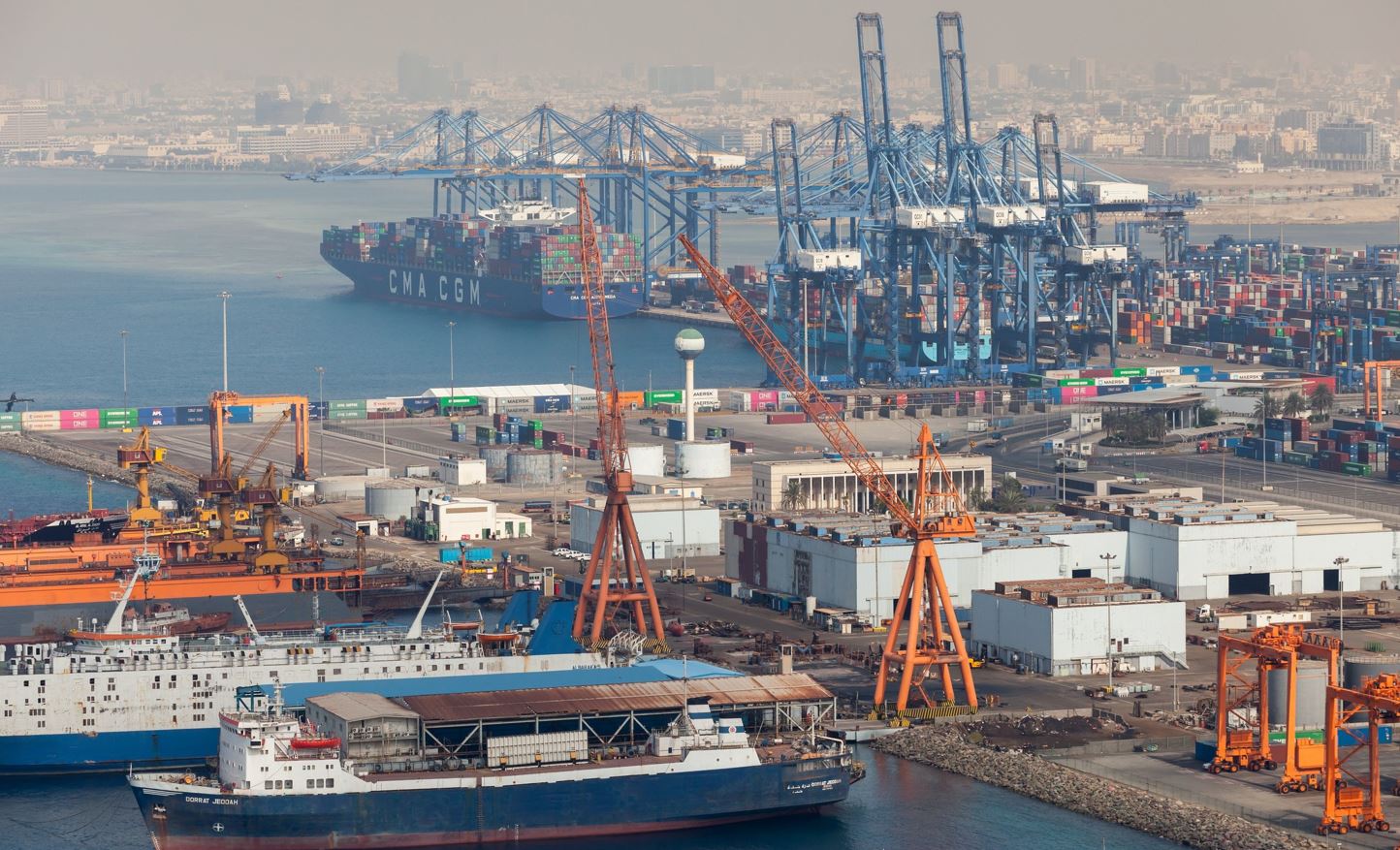
Jeddah is the country's primary gateway. The majority of cargo from Europe and the Mediterranean comes here, and this is also where most Russian containers arrive via the Suez Canal (or via transshipment in Jebel Ali). The port is massive and has high throughput, but there’s a catch—the heat and humidity.
Container terminals:
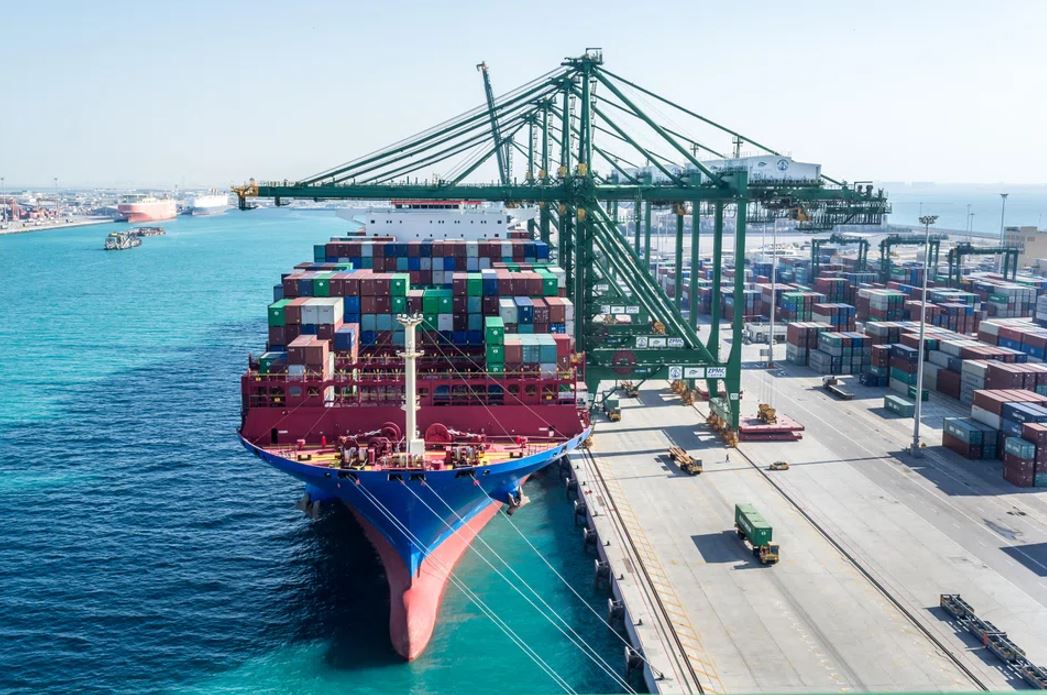
Red Sea Gateway Terminal (RSGT) — one of the most modern and high-tech container terminals in the region. Handles the bulk of the container flow and is equipped with numerous reefer plugs (crucial for food, meat, and pharmaceuticals). Located in the northern part of the port.
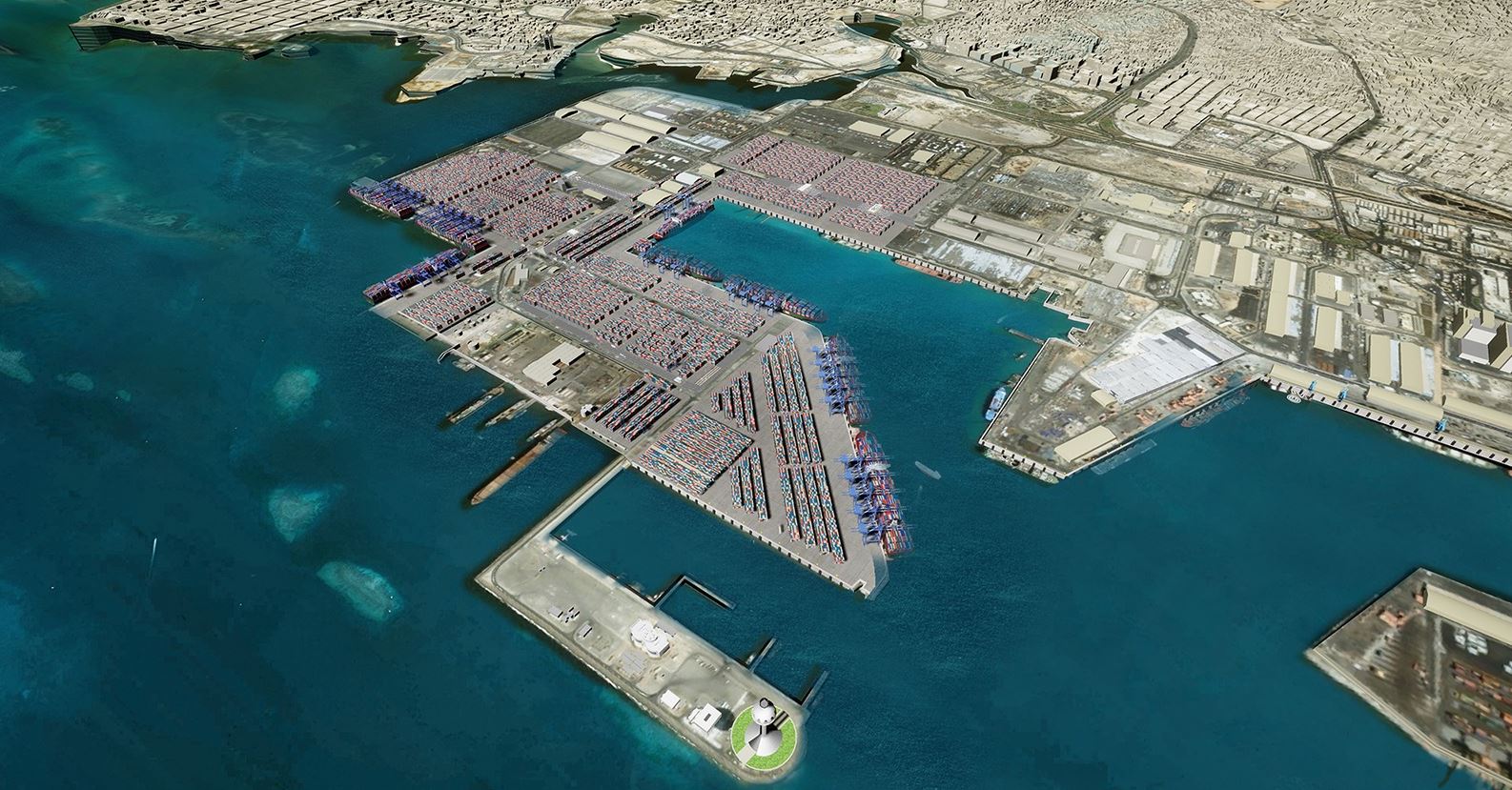
Saudi Global Ports (SGP) — the second major container terminal (formerly a DP World concession). Located in the southern part of the port, it also actively handles containers, including reefers and out-of-gauge (OOG) cargo.
Terminals in Dammam
Dammam is the key hub for the Eastern Province, where oil fields and major industrial clusters (like Jubail) are concentrated. If your consignee is in Riyadh, it is often more logical to ship via Dammam—the overland leg to the capital is shorter, and port traffic is calmer than in congested Jeddah.
The role of King Abdullah Port is also growing, but in terms of handling conventional commercial cargo volumes, it still lags behind the established veterans.
Saudi Global Ports (SGP)
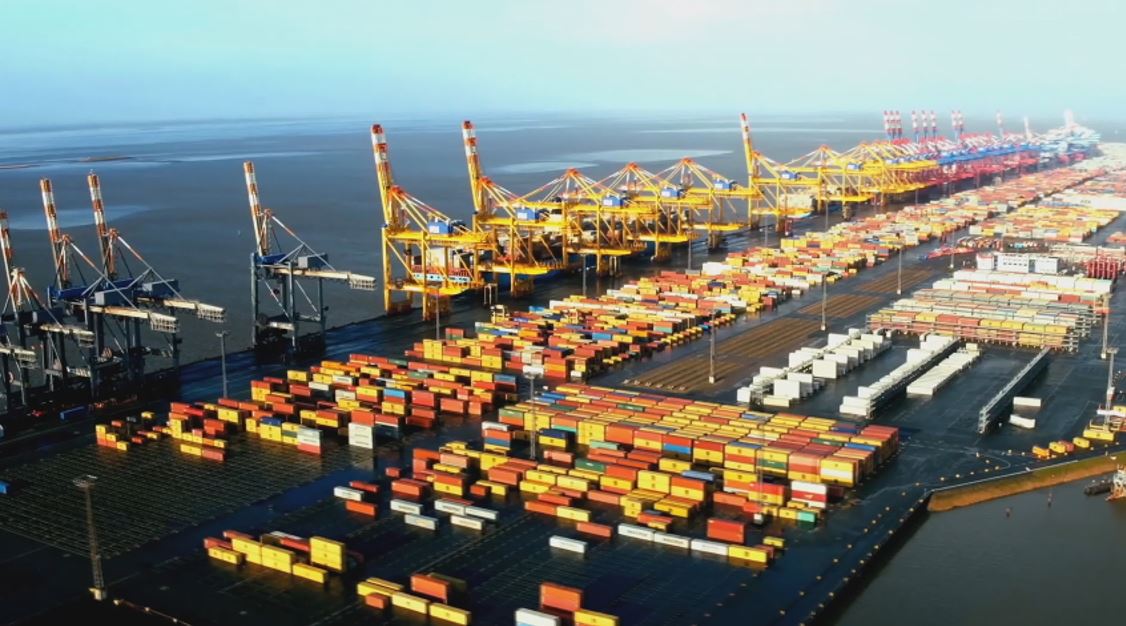
Since 2020, SGP has been the sole operator of all container capacities at Dammam Port (following the merger of DP World and PSA International assets). It essentially operates as two adjacent terminals:
First Container Terminal (formerly DP World Dammam) — historically the first container terminal, focused on feeder and regional routes, as well as cargo from India, China, and Southeast Asia.
Second Container Terminal (formerly PSA Dammam) — newer and deeper, capable of handling Post-Panamax vessels, equipped with modern Ship-to-Shore (STS) cranes and a large number of reefer plugs.
Both terminals operate as a single SGP complex. This is where the majority of containers heading to Riyadh, Jubail, and other cities in the central and eastern parts of the country arrive.
What is Shipped from Russia to Saudi Arabia?
The picture here has changed dramatically over the last two years. If it used to be mostly grain, the product range is now broader and more profitable.
1. Agro-Industrial Complex (And Not Just Grain)
Saudis cover only 20-30% of their food needs domestically; the rest is imported. From Russia, the following are actively shipped:
Grains and legumes: barley, wheat, chickpeas, lentils. Dry containers (20DC or 40HC) are needed here, but keep an eye on phytosanitary requirements—they are strict in the KSA.
Oil: sunflower oil in bulk or in bottles. If in bulk, this means flexitanks in 20-foot containers.
Poultry and beef (Halal). This is where it gets really interesting for a logistician. Meat requires a strict cold chain (-18°C and below) all the way. Given that a container might sit at anchor in Jeddah under the blazing sun for days awaiting inspection, the reefer container must have a robust compressor with a safety margin. Trying to save money by renting an old reefer can result in a ruined 40-ton batch.
Confectionery and deep-processed foods: chocolate, sunflower halva, snacks. These require either a dry container or a reefer (if shipping chocolate in summer—only a reefer, otherwise it will arrive as liquid).
2. Building Materials and Metal Products
Mega-projects like NEOM or the entertainment city of Qiddiya require an incredible amount of resources. Russia ships:
Timber and lumber. Mostly birch and softwood. Saudi Arabia is a desert; there are no forests at all, but they still need materials for formwork and furniture.
Metal structures, rebar, steel sheets. Heavy cargo. It makes sense to use 20DC here—the cargo weight can reach 25+ tons, and a 40-footer simply won't work due to weight limits (road restrictions).
Ceramic tiles, sanitary ware, stone products.
3. Chemicals and Fertilizers
Paradoxically, Saudi Arabia is a leader in fertilizer production (SABIC), but it is more cost-effective for them to buy certain specific components and catalysts from us. Plus, there are exports of technical sulfur and polymer products.
4. Equipment and Oilfield Services
Drilling equipment, pumps, pipes for the oil industry. Often this is out-of-gauge (OOG) cargo shipped in Open Top or Flat Rack containers, but we aren't focusing on that right now—let's stick to standard boxes.
What is Shipped from Saudi Arabia to Russia?
Backhauling is the bane of every logistician's existence, but it exists. You just need to know what to look for.
1. Polymers and Plastics
This is the absolute core. Saudi Basic Industries Corporation (SABIC) is a global giant. To Russia, they ship:
Polyethylene (HDPE, LDPE), polypropylene in granules (bags or big bags).
Polycarbonates, PET.
Packaging: Usually 25 kg bags on pallets. The cargo is relatively light, so it is highly profitable to ship it in 40HC (High Cube) containers—loaded by volume, not weight.
2. Petrochemicals and Technical Fluids
Base oils, additives, paraffins, bitumen (in specialized packaging). Many items, after the departure of Western brands, have found replacements in Saudi Aramco.
3. Premium Building Materials
Surprisingly, porcelain stoneware and large-format tiles are shipped from the KSA to the Russian Federation. Saudi factories (such as Saudi Ceramics) produce tiles of massive sizes (1200x600, 1600x3200), which are highly popular among Russian designers. The cargo weight is insane, so 20-footers are packed to the absolute limit.
4. Dried Fruits and Nuts
Yes, Saudi Arabia is a major re-exporter and processor. Dates (premium varieties like Sukkari and Ajwa) and nuts (cashews, almonds) are shipped to the Russian Federation. Humidity requirements are minimal; we ship them in standard dry boxes, but with silica gel.
Shipping Specifics: What to Watch Out For?
If you asked me what the most important things are when working with the KSA, I would name three: documents, heat, and weight.
1. Certification and Labeling (SASO/Saber)
Without registration in the Saber system, your cargo simply won't clear customs.
For food products: A Halal certificate issued by an accredited center recognized in the KSA is required.
For labeling: All information on the packaging must be in Arabic and English. Production and expiration dates must strictly follow the format (day first, then month, then year).
All imported products are subject to mandatory SASO (Saudi Standards, Metrology and Quality Organization) certification. A certificate of conformity for the batch, obtained in advance in the country of origin, is often required.
2. Climate Risks
Summer in the region means +45...+50°C in the shade. The surface of a container in the sun heats up to +70°C.
If you are shipping anything that can melt, spoil, or bloom (chocolate, candles, certain types of glue, cosmetics), use a reefer only. Even if the internal temperature is set to +15°C, it will save the cargo.
If the cargo is dry (building materials), it’s not a big deal, but use moisture-absorbing desiccants (Dry Bags), as the temperature swing from day to night (which can be 30 degrees in the desert) creates a "rain effect" inside the container.
3. Packaging Requirements
The cargo must withstand multi-stage logistics. If customs decides to open a container for inspection at Jeddah port (which happens often, especially with food), the handlers must be able to quickly repalletize the cargo. Flimsy wrapping and leaning boxes are a recipe for damaged goods.
Container Selection: Why Saving Money on a Reefer is a Ticking Time Bomb
Let’s return to the offer we make in the market: 20DC, 40HC, and Reefers.
For most export cargo from Russia (grain, timber, metal), the baseline is the 20DC. It is sturdy, handles heavy loads, and is easier to pack to the brim.
For imports from the KSA (polymers, tiles, equipment), 40HC is more frequently requested. The reason is simple: the freight rate for a 40-foot container is higher than for a 20-foot one, but when calculated per cubic meter or kilogram of cargo, the 40HC offers better economics if the goods don't max out the weight limit.
And the most crucial point: Reefer containers.
Demand for "temperature-controlled" shipping to the KSA is growing explosively. Reasons:
Growth in Russian poultry (Halal) supplies.
Fruit and vegetable shipments in the reverse direction (citrus from Egypt via the KSA is a whole separate topic).
Pharmaceuticals and cosmetics that are sensitive to overheating.
A specific feature of operating reefers in the KSA is the power supply. A diesel generator (Genset) is mandatory if the container is sitting at a depot. Not all shipping lines provide high-quality connections to the port's power grid. We recommend taking reefers with a high engine/motor resource margin, as running the cooling unit at max capacity in +50°C heat is anything but a walk in the park.
What We Offer?
We operate on the Saudi Arabia–Russia route and back, as well as the China–Saudi Arabia route. For these tasks, we maintain our own fleet of containers in IICL and CW technical condition. In short: these are containers that are genuinely fit for international ocean freight, without holes in the roof, dead door seals, or warped floors. For the client, this means a lower chance of terminal rejection, fewer claims from the consignee, and less risk to the cargo.
Available containers for rent:
20DC — standard 20-foot dry. The main workhorse for heavy cargo: metal products, grain in big bags, tiles, equipment. Handles up to 26–28 tons of cargo.
40DC — 40-foot dry standard height. Requested less often than 40HC, but for certain goods (e.g., heavy but not over-height), it is convenient in terms of price and stability.
20HC — 20-foot High Cube. Rare but useful when extra height volume is needed with length restrictions on the chassis, or for lightweight but bulky cargo.
40HC — 40-foot High Cube. For light and bulky goods: polymers, textiles, electronics, insulation. Optimal cost per cubic meter.
40-foot Reefers — for meat, poultry, fish, dairy, chocolate, pharmaceuticals. Units are fresh, with fully functional cooling machines and genset plug-in capabilities. In the heat of Jeddah and Dammam ports, this is critical.
We don't push "as-is" market containers to our clients. Every box undergoes inspection before dispatch: we check the integrity of the walls, floor, doors, and the operation of the reefer unit. Therefore, whether your cargo is going to Riyadh from Novorossiysk or from Shanghai to Jeddah, you get a predictable result, not a nasty surprise at the terminal.
Rent is available for a single voyage (one-way) or for a long-term lease if you plan to use the container as a warehouse or for cargo accumulation. The cost depends on the route, container type, and rental period. We calculate quickly—send us your route and cargo specifications, and we’ll give you exact figures without the "let's check with the manager" runaround.
*The information on this page does not constitute a public offer.
*MyContainers is a partner of MyWay.