




In international logistics, the ocean container number is its "passport" and unique identifier. It is by this code that terminals release cargo, customs identifies the shipment, and shipping lines track the equipment's location worldwide.
A single typo in one letter or digit can result in the container getting stuck at the port, customs refusing to release the goods, and the cargo owner incurring losses from demurrage and detention penalties. In this article, we will take a detailed look at how the container number is structured, where to find it physically, and in which documents it must be duplicated.
How the Container Number is Structured (ISO 6346 Standard)
All ocean containers worldwide are marked in accordance with the international ISO 6346 standard. The number always consists of exactly 11 characters and includes four logical parts:
Owner Code — 3 letters. A unique prefix registered with the Bureau International des Containers (BIC). For example, MAEU (Maersk), MSCU (MSC), CMAU (CMA CGM), HLXU (Hapag-Lloyd).
Equipment Category Identifier — 1 letter.
U — standard freight container.
J — detachable equipment (e.g., a reefer generator).
Z — trailers and chassis.
Serial Number — 6 digits. A unique sequential number of the container within the owner's fleet (e.g., 123456).
Check Digit — 1 digit. Located in a separate box at the very end (e.g., 7). It is used to mathematically verify the correct entry of the entire number into port or customs systems.
Example of a full number: MSCU123456 7
Where is the Number Physically Located on the Container?
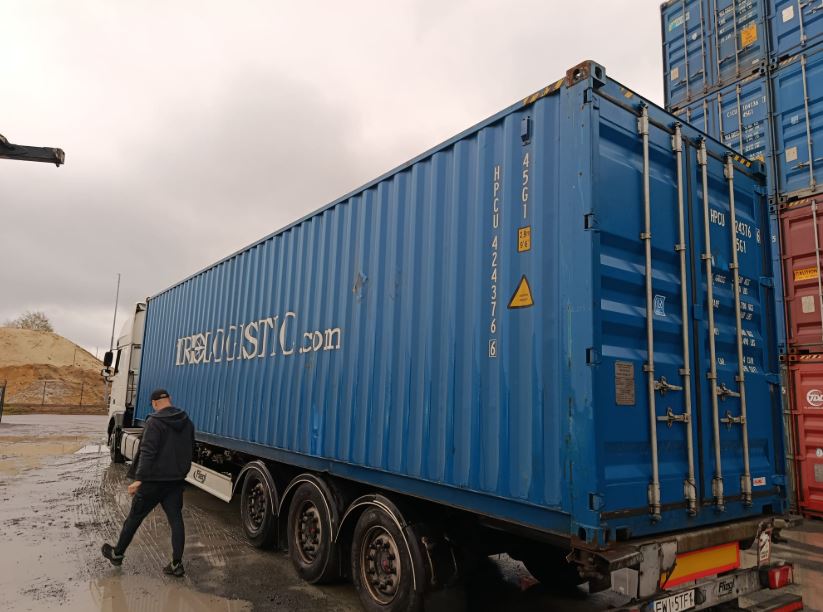
Containers are exposed to harsh conditions: saltwater, storms, and friction against vessel hulls. To ensure the number can be read in any situation, it is duplicated in several places on the body:
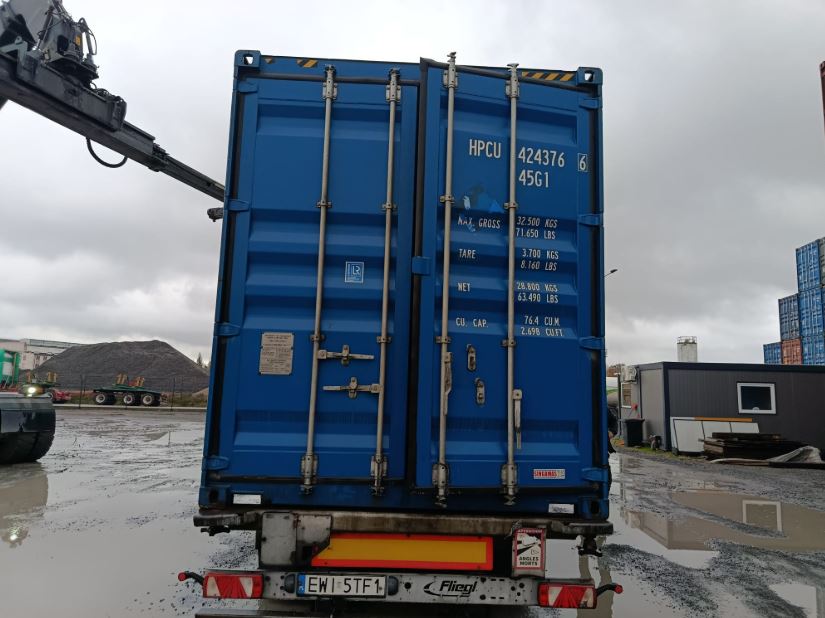
On the doors (top right): This is the primary location where the number is read by drivers, warehouse staff, and inspectors during examinations.
On the side panels (top corners): Necessary for CCTV cameras and crane operators (RTG/STS) who load the container into the hold or onto a flatcar.
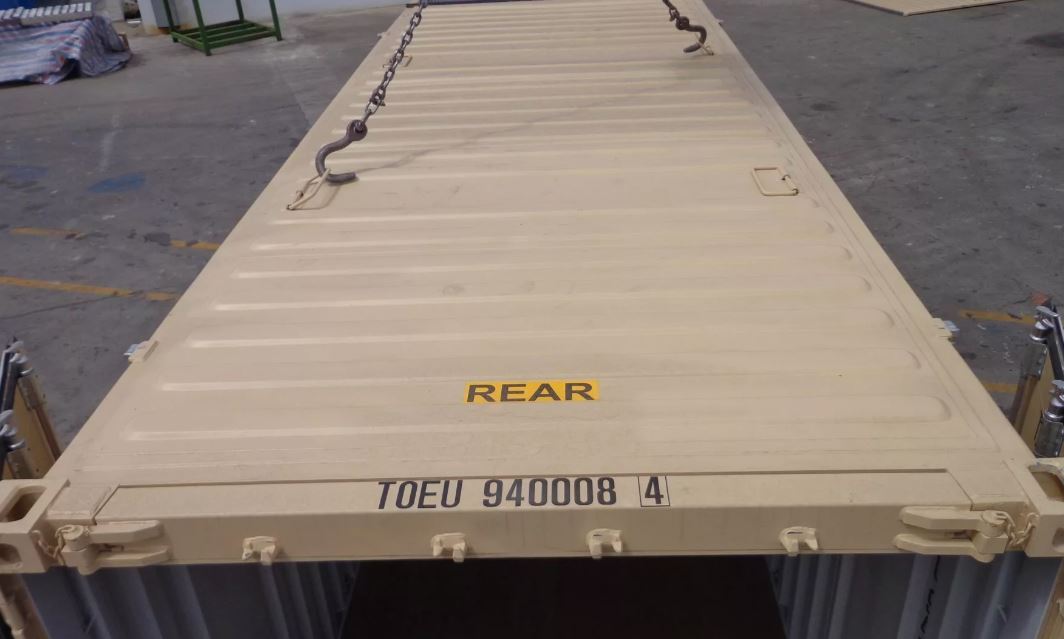
On the roof: For automated recognition systems at modern automated terminals.
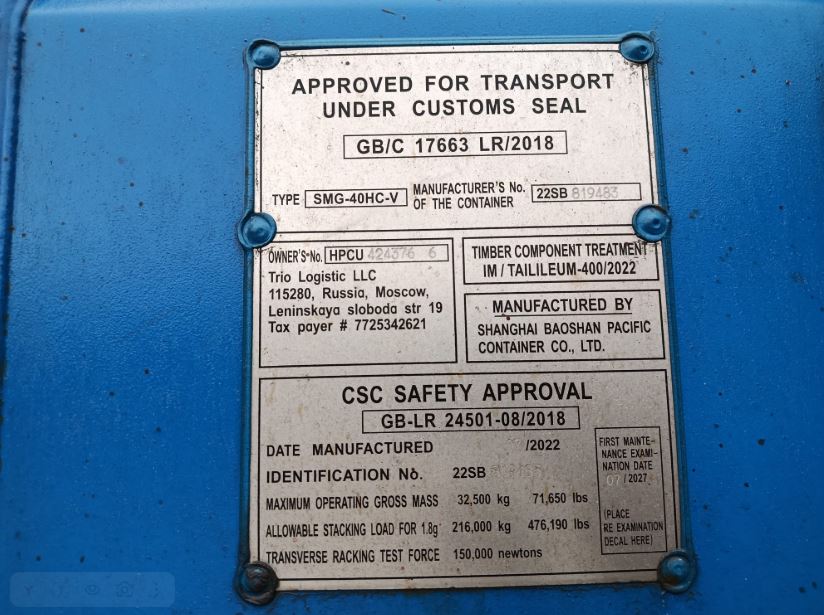
On the CSC plate (Safety Approval Plate): A metal plate on the left door leaf confirming the container's safety. It also indicates the year of manufacture, weight, and manufacturer details.
On the Data Plate: Usually located next to the CSC plate and contains data on the maximum gross weight, tare weight, and cubic capacity.
In Which Documents Must the Container Number Be Indicated?
The XXXX1234567 identifier is an end-to-end element of the entire supply chain. It must match perfectly in the following documents:
Bill of Lading (B/L)
The primary document of title. The container number is indicated in the "Container No." field. If there is a typo in the Master B/L or House B/L, the carrier or agent at the port of destination will simply not release the cargo (will not issue a Delivery Order).
Packing List & Commercial Invoice
In commercial documents, the container number links the specific goods to the physical "steel box." This is critical for customs during inspections.
EIR (Equipment Interchange Receipt)
The equipment handover document. Signed by the driver when entering or exiting the terminal. The EIR records not only the container number but also the seal status and any physical damage (dents, holes).
CLP (Container Load Plan) or Bayplan
The containership stowage plan. The vessel's captain and stevedores use the numbers to know exactly where (in which hold and on which deck) the required container is located. This determines the discharge sequence at ports.
Transport Waybills (CMR, Rail Waybill)
In multimodal transport (e.g., transshipment from vessel to truck or rail flatcar), the container number is transferred to overland transport documents as the "vehicle" or "cargo unit" number.
Customs Declaration
In column 31 of the Russian (or other national) customs declaration, the container number must be indicated. A discrepancy between the number in the declaration and the bill of lading is grounds for refusing cargo release and initiating an administrative offense case.
Common Mistake: Confusing the Container Number with the Seal Number
Beginners in international trade often confuse these two concepts.
The container number (e.g., TGBU4567891) is painted on the steel body itself. It does not change for years.
The seal number (e.g., SN12345678) is a one-time security seal applied to the door locking mechanism after loading. The seal number is indicated only on the seal itself and in the documents (B/L, Packing List). If the seal is changed (e.g., during a customs inspection), the container number remains the same, but the seal number changes, which must be recorded in an official act.
How to Verify the Authenticity of a Container Number?
Since a single incorrectly entered character can halt the logistics process, the ISO 6346 standard includes a check digit (the last, 11th character).
Each letter of the Latin alphabet is assigned a specific numerical coefficient. A special algorithm multiplies the coefficients of the first 10 characters by powers of 2, sums them up, and calculates the modulo 11. The result must match the 11th digit in the box.
Tip: Logistics professionals don't need to calculate this manually. There are many free BIC calculators (Container Number Check) online where you simply enter the 11 characters, and the system will instantly show whether such a container exists in the global database and if there are any typos.
Other Important Markings on the Body
In addition to the unique number, the following markings on the doors are important for logistics professionals:
Size/Type Code: 4 characters (e.g., 42G1 or 45R1). The first digit is the length (4 = 40 feet), the second is the height and width, and the letter is the type (G = General Purpose / standard, R = Reefer, U = Open Top).
Cube (CU.CAP): Internal volume in cubic meters.
MAX.GW (Max Gross Weight): Maximum permissible gross weight (container weight + cargo weight).
TARE: Weight of the empty container. Critical for weight verification (VGM).
PAYLOAD (MAX.CW): Maximum weight of the cargo that can be loaded.
Arrows and instructions on reefers: Directions for setting temperature, ventilation, and humidity.
The information on this page does not constitute a public offer.
My Containers is a partner of My Way.