



Malaysia occupies a strategically important position in the heart of Southeast Asia, situated along one of the world's busiest maritime trade routes—the Strait of Malacca. Thanks to its developed port infrastructure and active investments in logistics, the country is one of the key transit hubs for container shipping between China, Europe, and the rest of Asia.
In this article, we will examine Malaysia's largest container terminals, the structure of container exports and imports, and the prospects for the development of rail freight in the country.
Major Container Terminals of Malaysia
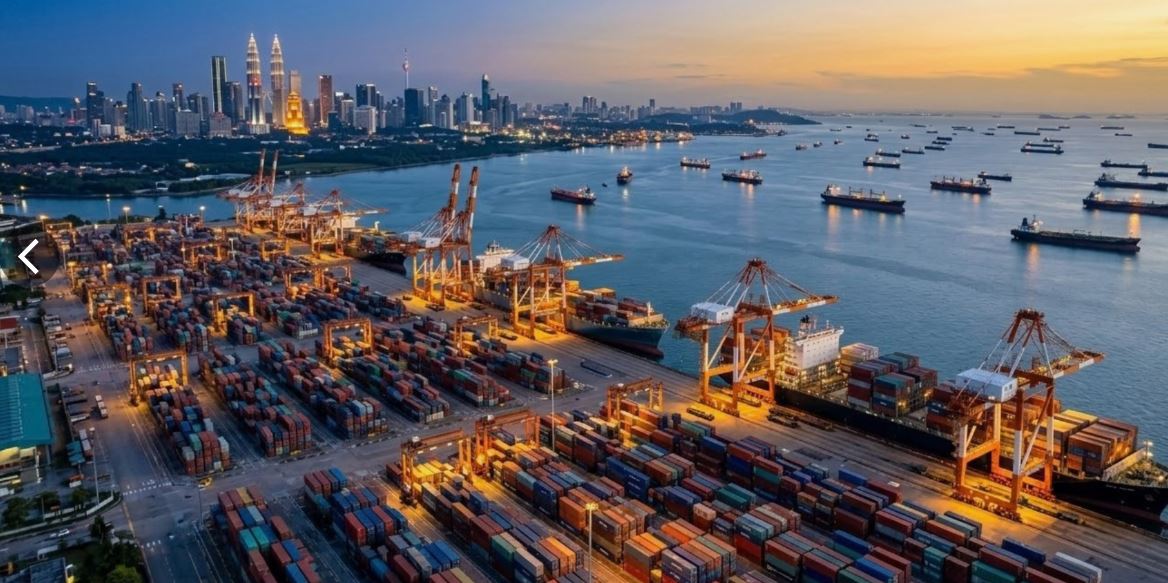
Malaysia's port system is highly competitive and technologically advanced. The country's two main ports regularly rank among the top 20 largest container hubs in the world.
Port of Tanjung Pelepas (PTP)
Located in the state of Johor, right across from Singapore, this port is Malaysia's largest container terminal.
Capacity: In 2025, the port set a new record, handling over 14 million TEUs (Twenty-foot Equivalent Units).
Features: The port is known for its high efficiency, deep-water berths capable of accommodating the world's largest container ships, and an active "green" logistics program, including the introduction of electric terminal tractors.
Port Klang
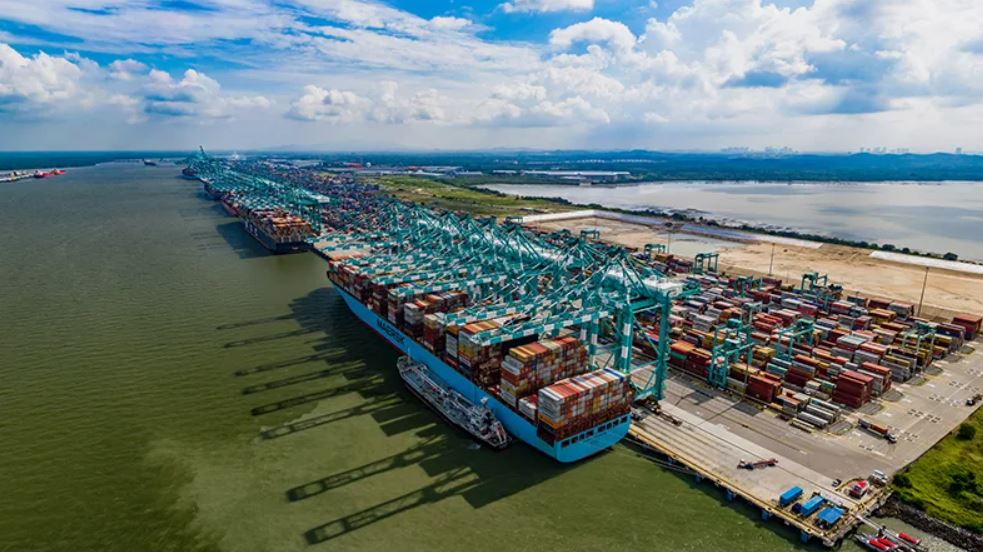
Located near the capital, Kuala Lumpur, Port Klang is the second-largest and a crucial logistics hub for the country's central region.
Capacity: In recent years, the port has steadily increased its volumes, handling approximately 14.6 million TEUs and entering the top ten largest container hubs globally.
Infrastructure: The port consists of several terminals (Westports and Northport), which are constantly being modernized with new automated cranes and expanded storage areas.
Regional Ports
Port of Penang: An important hub in the north of the country, focused on serving the island's high-tech industrial zones and facilitating exports to ASEAN countries.
Port of Kuantan: Located on the east coast, it plays a key role in handling bulk cargo and containers moving along new overland corridors.
Structure of Container Exports and Imports
Malaysia has a diversified economy, which is clearly reflected in the range of cargo passing through its ports.
Main Containerized Exports:
Electronics and electrical engineering: Semiconductors, microchips, and consumer electronics (Malaysia is a global leader in this segment).
Agricultural products: Palm oil and its derivatives, rubber, and rubber products.
Industrial goods: Chemicals, petroleum products, medical equipment, and furniture.
Main Containerized Imports:
Industrial equipment, machine tools, and machinery components.
Raw materials for the electronics industry and chemical substances.
Consumer goods, textiles, and food products.
Container Trains and Logistics Routes
Malaysia's seaports are closely integrated with the national railway network, operated by KTMB (Keretapi Tanah Melayu Berhad). This allows for the efficient delivery of cargo deep into the country and to neighboring states.
Port Klang Rail Terminal
This terminal represents a direct link between the seaport and the railway network. Containers unloaded from ships can be directly loaded onto railway flatcars for shipment to industrial zones in Kuala Lumpur or the north of the country, significantly reducing the load on highways.
KTMB Domestic and Cross-Border Routes
Malaysian railways are actively developing intermodal transportation. Specialized freight trains are regularly launched, connecting ports with inland dry ports, including those on the border with Thailand, facilitating cross-border trade under regional agreements.
East Coast Rail Link (ECRL)
This is one of the most ambitious infrastructure projects in Southeast Asia. A 640-kilometer railway line is being built to connect Port Klang on the west coast with the east coast of Malaysia (the states of Pahang, Terengganu, and Kelantan).
Expected impact: Upon completion (estimated for 2026–2027), the ECRL will create a new, highly efficient logistics corridor. This will redistribute container flows, relieve highway congestion, and connect eastern industrial zones with global maritime routes.
Practical Conclusion
Malaysia offers shippers a highly competitive and technologically advanced environment for container shipping. The combination of giant port hubs (Tanjung Pelepas and Port Klang) with developing railway infrastructure makes the country an ideal transit node. For Russian and international companies, using Malaysian hubs helps optimize cargo delivery times to and from ASEAN countries, especially in the electronics and raw materials segments.
*The information on this page does not constitute a public offer.
*MyContainers is a partner of MyWay.