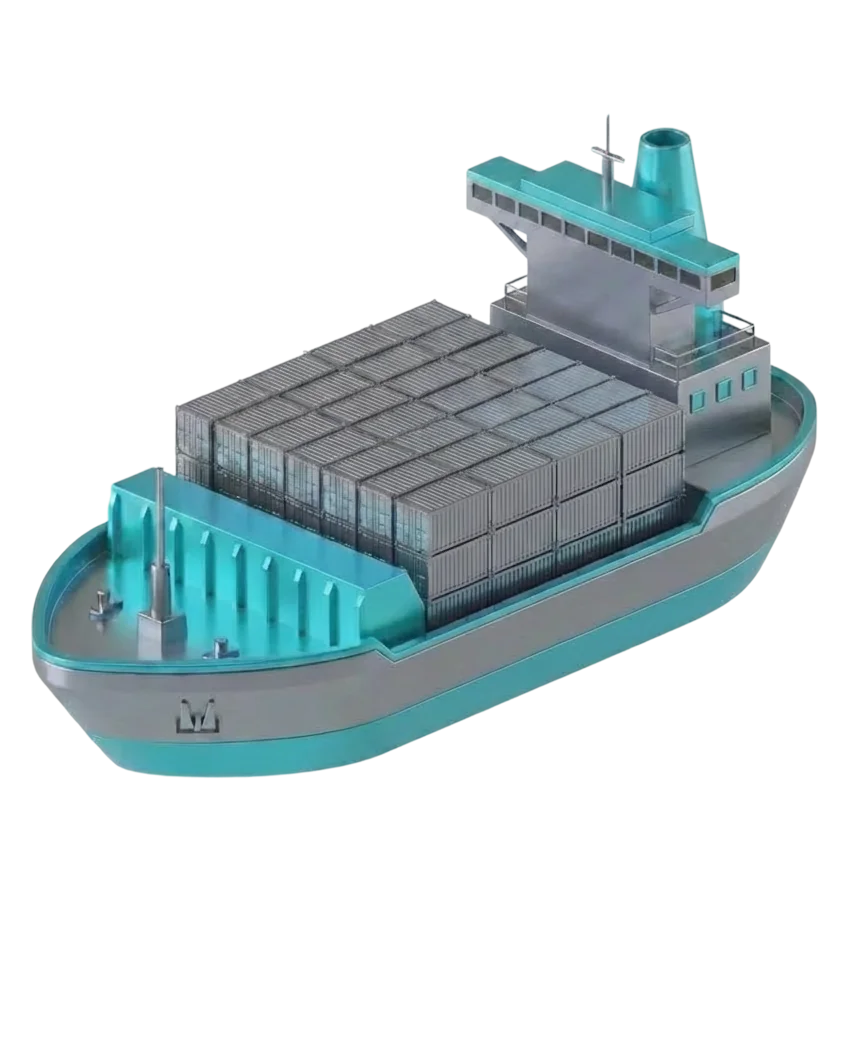
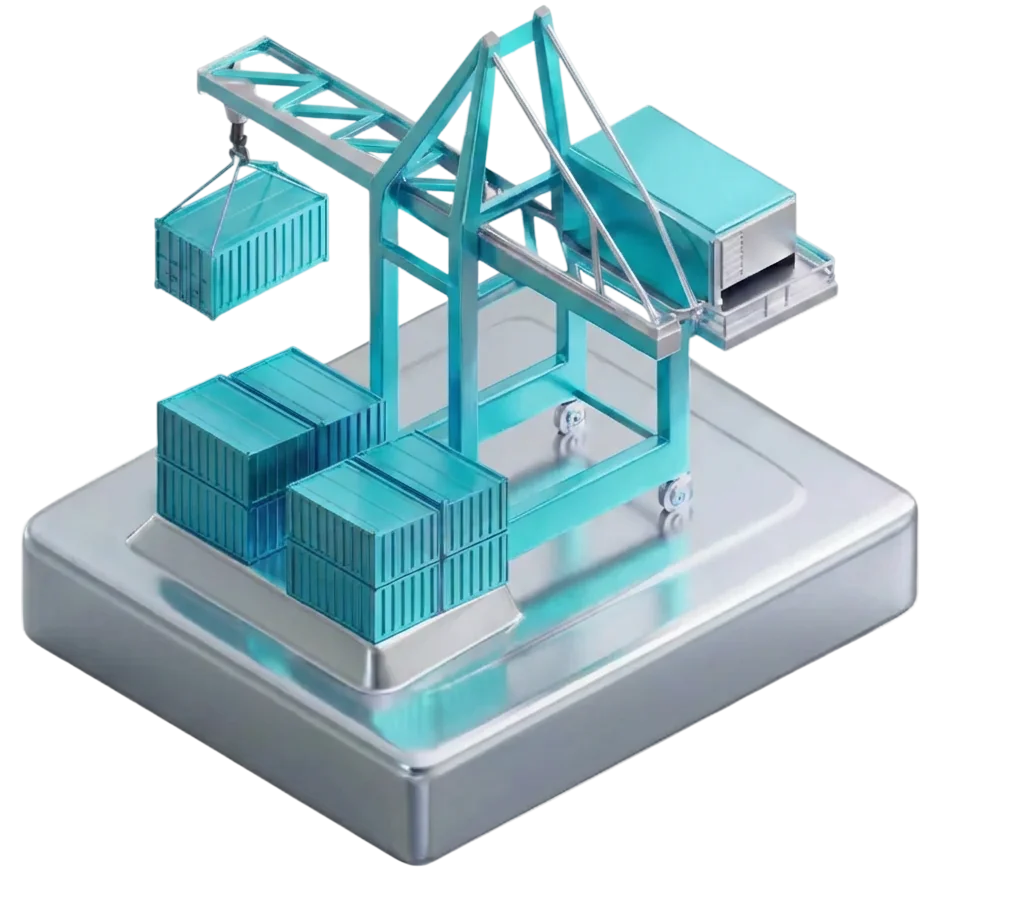



The container industry is on the verge of the most massive transformation since the invention of the standardized maritime container in 1956. By 2030, the familiar operating models of ports, shipping lines, and freight forwarders will change beyond recognition under the pressure of environmental regulations, technological progress, and geopolitical turbulence.
In this article, we will analyze the key trends that will shape the landscape of container logistics by 2030 and examine the main challenges the industry will face.
Trend 1: Green Transformation and Decarbonization
Ecology is no longer just a matter of corporate image; it has become a strict economic and regulatory factor. By 2030, the industry must meet the International Maritime Organization's (IMO) interim targets for reducing greenhouse gas emissions.
Alternative Fuels: By 2030, a significant portion of the new container vessel fleet will run on green methanol, ammonia, or LNG. Ports will be required to provide bunkering infrastructure for these fuels.
Carbon Pricing: The expansion of the Emissions Trading System (EU ETS) and the introduction of the Carbon Border Adjustment Mechanism (CBAM) in the EU will make "dirty" shipping significantly more expensive. Logistics companies will be forced to include "green surcharges" in their tariffs.
Shore Power (Cold Ironing): By 2030, shore power requirements are expected to become more widespread, particularly in ports subject to stricter environmental regulations.
Trend 2: Total Digitalization and Artificial Intelligence
Paper-based documentation and "blind spots" in supply chains will become a thing of the past.
Electronic Bill of Lading (eBL): By 2030, it is expected that over 50% of all international shipments will use blockchain platforms for eBLs. This will reduce document processing time from weeks to hours and virtually eliminate the risk of fraud.
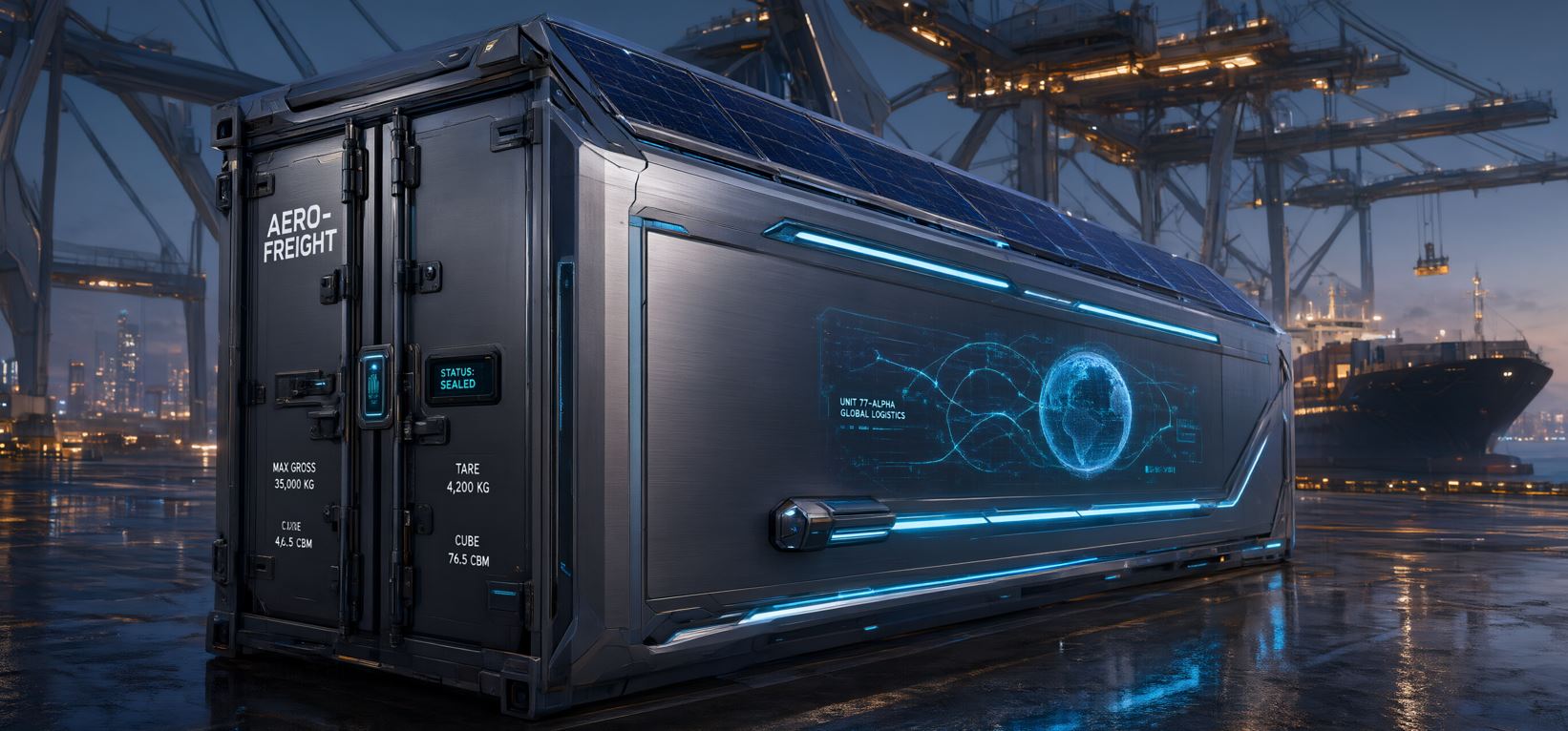
Smart Containers: Standard "steel boxes" will evolve into IoT-enabled devices. Built-in sensors will transmit real-time data on location, temperature, humidity, shocks, and door openings. This will become the standard for high-value cargo.
AI in Port Management: Artificial intelligence will predict congestion, optimize container stowage on terminals, and manage Automated Guided Vehicles (AGVs), reducing vessel turnaround time by 20–30%.
Trend 3: Geopolitics and Supply Chain Restructuring
The era of hyper-globalization with a single dominant route (Asia – Suez Canal – Europe) is ending. By 2030, logistics will become more regionalized and diversified.
"China + 1" Strategy and Nearshoring: Manufacturing is shifting to Southeast Asia (Vietnam, Indonesia), India, Mexico, and Eastern Europe. This will alter cargo flow geography, increasing the load on ports in these regions.
Alternative Corridors: Investments in the Middle Corridor (Trans-Caspian route), the North-South Transport Corridor (via Iran and the Caspian Sea), and the development of the Northern Sea Route (NSR) will create real alternatives to traditional sea lanes, reducing dependence on chokepoints like the Suez or Panama Canals.
Regional Hubs: Ports in the Middle East (UAE, Saudi Arabia) and Turkey will strengthen their positions as primary transshipment hubs between the East and the West.
Trend 4: Evolution of the Container Itself
The ISO 20/40 ft standard will remain, but its materials and internal fittings will change.
Lightweight and Durable Materials: The use of composite materials and high-strength steel will reduce the tare weight of the container, increasing payload capacity and lowering fuel consumption.
Active Climate-Control Containers: For pharmaceuticals and food, containers with autonomous microclimate maintenance systems, powered by solar panels or hydrogen fuel cells, will be widely adopted.
Circular Economy: By 2030, the recycling of decommissioned containers will become a high-tech industry. Old units will be mass-melted or transformed into modular architecture with a minimal carbon footprint.
Main Challenges for the Industry by 2030
Despite optimistic forecasts, the industry will face serious obstacles:
Investment Deficit: The transition to green fuels and port automation requires trillions of dollars. Not all players will secure funding, leading to market consolidation and the exit of smaller operators.
Cybersecurity: As digitalization advances, ports and logistics platforms will become prime targets for cyberattacks. A single successful breach of a port management system could paralyze trade for days.
Talent Shortage: Automation will eliminate low-skilled jobs but create an acute shortage of data engineers, cybersecurity specialists, and complex equipment operators.
Regulatory Fragmentation: Different countries may adopt conflicting environmental and digital standards, complicating global compliance.
Practical Conclusion
By 2030, the logistics companies and cargo owners that survive and thrive will be those that start preparing for these changes today. Investments in "green" certifications, transitioning to digital document platforms, route diversification, and leveraging data from IoT sensors will cease to be a competitive advantage and will become a mandatory condition for market entry. The future of the container industry lies in transparency, sustainability, and technological advancement.
*The information on this page does not constitute a public offer.
*MyContainers is a partner of MyWay.