

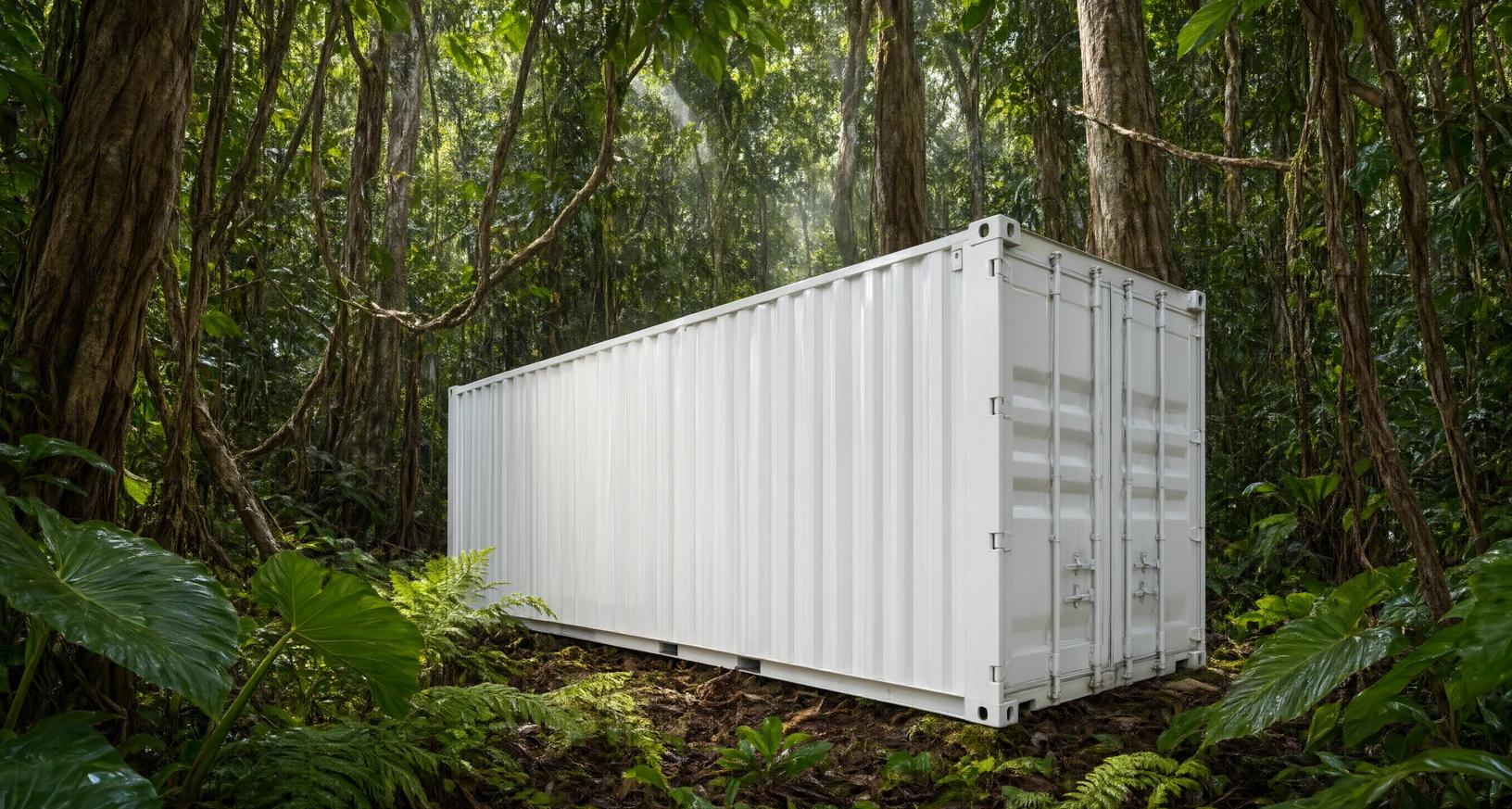
The shipping container is often called the most important invention of the 20th century, making modern globalization possible. Behind the external simplicity of this "metal box" lie amazing engineering solutions, a rich history, and astonishing statistics.
We have compiled 30 interesting facts about shipping containers for you, divided into thematic blocks.
History and Invention
The idea of a standardized container didn't come to an engineer, but to a simple truck driver, Malcolm McLean, who in 1937 grew tired of watching dockworkers spend hours manually carrying sacks onto the pier.
The first-ever commercial voyage of the container ship Ideal X took place on April 26, 1956. It carried 58 containers measuring 35 feet in length (this size was later replaced by the standard 20- and 40-foot lengths).
Before the invention of the container, the cost of loading one ton of cargo was $5.86. After the implementation of McLean's system, it dropped to 16 cents.
The catalyst for global container standardization was the Vietnam War. The US Army required an efficient supply system, and the military insisted on a uniform container size.
The international ISO standard for containers (including the famous corner castings) was finally approved only in 1968.
Engineering and Design
Shipping containers are made of Corten steel. This alloy is specifically designed to form a dense, protective rust-like layer (patina) on the surface when exposed to weather, which prevents deep corrosion.
The floor of a standard container is made not of ordinary pine, but of hardwoods, most commonly Apitong (Asian hardwood) or multi-layered bamboo plywood, impregnated with insecticides.
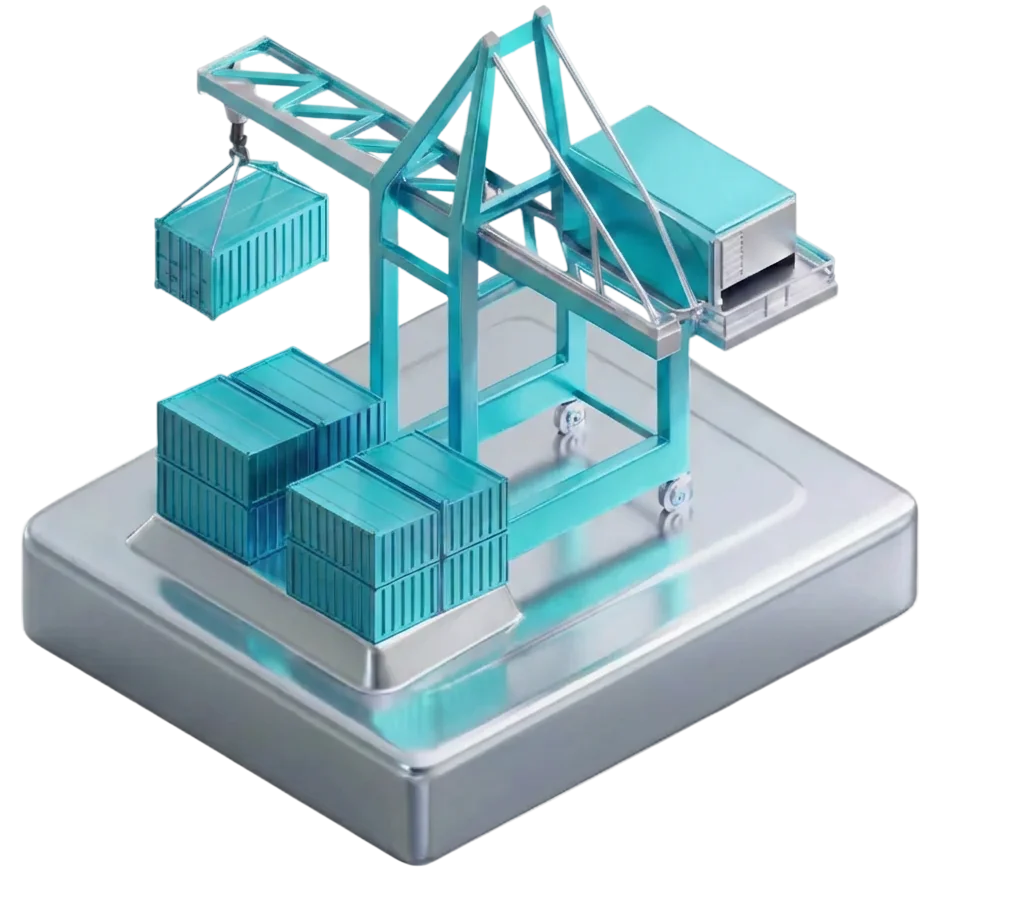
All 8 corner castings of a container have strictly identical dimensions and placement. This allows cranes to lift the unit from any side and securely lock containers together when stacked.
A standard 20-foot container (TEU) weighs about 2.2–2.4 tons when empty (tare weight), and its maximum payload capacity reaches 28 tons.
To check a container for watertightness, surveyors use a "light test": an inspector goes inside a closed container in the dark, and any gaps or holes become visible as rays of light penetrating from the outside.
Containers are designed to withstand colossal dynamic loads: rolling on waves, impacts during loading, and the pressure of lower tiers when stacked up to 9–10 units high on a vessel's deck.
Scale and the Global Economy
Before the advent of containers, theft in ports was the norm: up to 20% of cargo simply disappeared. The container seal reduced this figure to a fraction of a percent.
Containerization completely changed the geography of cities. Historic ports in the centers of London, New York, and Liverpool closed down because their narrow docks could not accommodate giant container ships. Trade moved to the outskirts.
Without the shipping container, brands like IKEA or Apple would not exist, as their business models are entirely built on ultra-cheap global logistics.
There are over 800 million TEUs (Twenty-foot Equivalent Units) of containers in the world. If lined up end to end, they would wrap around the Earth several times.
Approximately 90% of all non-food goods in the world travel inside a shipping container at least once in their lifetime.
Records and Statistics
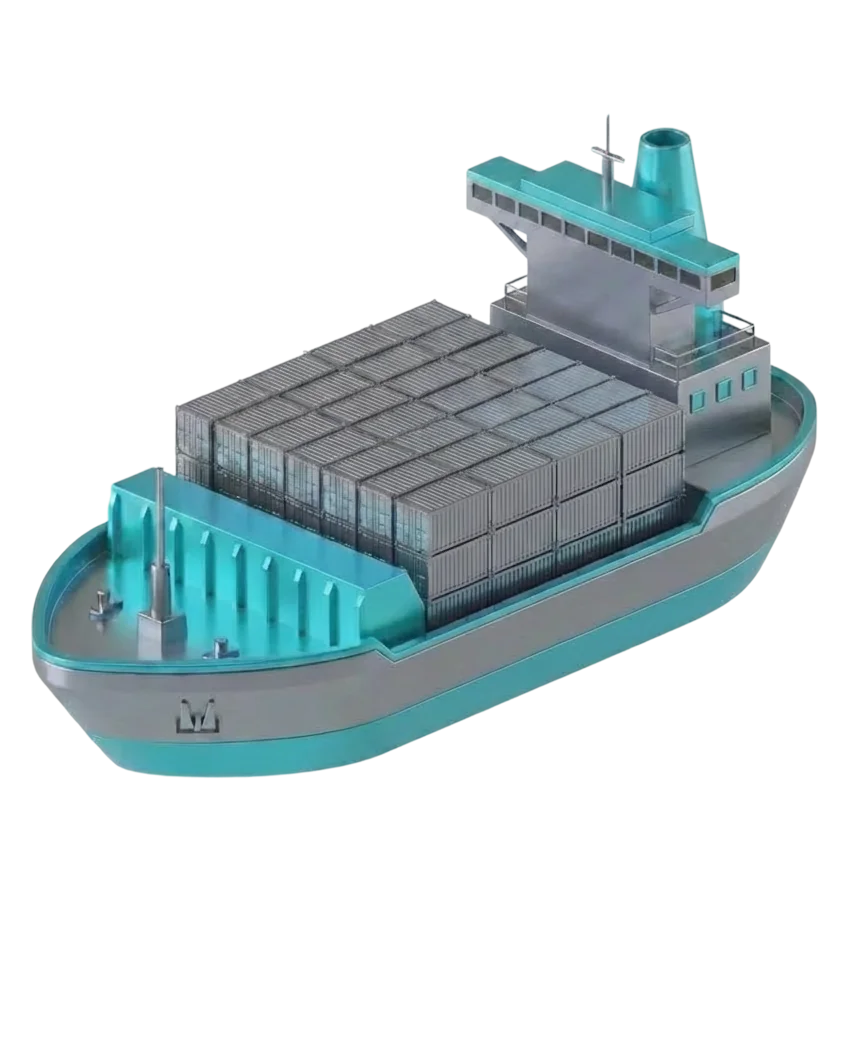
The largest container ship in the world (e.g., the MSC Irina class) can hold over 24,000 TEUs. The length of such a vessel exceeds 400 meters.
The Port of Shanghai is the busiest container port on the planet, handling over 50 million TEUs annually.
On average, 1,500 to 2,000 containers are lost at sea annually. While this sounds alarming, it accounts for less than 0.001% of the total cargo transported.
The longest recorded time a container has spent at sea is several years: some containers lost during storms wash up on the shores of Australia or South America years after the vessel sank.
Second Life and Unconventional Uses
Decommissioned containers are used to build entire student dormitories. The most famous example is the Keet City complex in Amsterdam, housing over a thousand students.
Microsoft used watertight shipping containers to create an underwater data center (Project Natick), which was submerged off the coast of Scotland to naturally cool the servers.
Containers are actively used to create vertical farms and hydroponic setups, allowing greens and vegetables to be grown in any climate, including deserts and the Arctic.
During the pandemic and natural disasters, containers were massively converted into mobile hospitals, testing sites, and field headquarters due to their watertightness and rapid deployment capabilities.
Designers turn old containers into swimming pools by adding fiberglass and filtration systems inside. Such a pool can be installed on any plot of land in a couple of days.
In some countries, containers are used to create artificial reefs: they are sunk off the coast to create a habitat for corals and marine fish.
Curious Details
The abbreviation TEU stands for Twenty-foot Equivalent Unit. It is a unit of capacity measurement, not necessarily a physical 20-foot box. One 40-foot container equals 2 TEUs.
The color of a container is not regulated by any international safety standards. Blue, yellow, red, or green colors are used exclusively for the corporate branding of shipping lines.
Inside a 40-foot container, the usable volume is not exactly twice that of a 20-foot container, but approximately 2.1 times larger, because the thickness of the front and rear walls is only accounted for once.
There is a special type of container — Open Side (with an opening side wall). It allows for the loading of out-of-gauge cargo from the side, which is impossible to do through standard rear doors.
*The information on this page does not constitute a public offer.
*MyContainers is a partner of MyWay.