





Logistics Santiago – CIS: Why SOC Container Rental is Essential
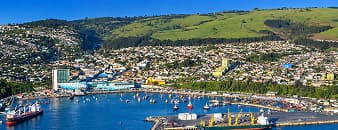
Santiago, the economic and administrative heart of Chile, is located deep inland, making the export of goods to the CIS countries (Russia, Kazakhstan, Belarus) a complex multimodal task. Cargo must be transported by road or rail across the mountain pass to the Pacific ports (San Antonio or Valparaíso), followed by a lengthy transoceanic crossing via the Panama Canal or Cape Horn to the ports of St. Petersburg, Novorossiysk, or (via Asian transit hubs) to Vladivostok.
For Chilean exporters and international traders, renting a container under the SOC (Shipper’s Own Container) scheme on this route is a strategic necessity:
Reduced risk of Demurrage & Detention (D&D) charges: Transit from South America to the CIS takes 55 to 80 days, including transshipments. Renting your own container completely eliminates the risk of massive penalties from global shipping lines for delayed equipment return.
Guaranteed equipment availability: The central region of Chile historically experiences an acute shortage of empty containers. Rental guarantees that the equipment will be available for self-pickup at the nearest terminal exactly on time, preventing production downtime and shipment failures.
Quality and safety control: The export of Chilean goods (wine, fresh fruits, food products) requires impeccable cleanliness. The rented container undergoes a strict tightness inspection (light test), preventing cargo damage from "container rain" (condensation) during the long sea voyage.
Multimodal flexibility: The rented box is readily accepted by both local trucking operators for the complex mountain route to the coast and by CIS operators (RZD, KTZ) for further inland delivery.
Containers Available for Rent
20DC (Dry Container): Ideal for heavy and dense cargo: bottled wine, specialized mining or industrial equipment, and auto parts. It withstands high point loads on the floor, which is critically important during long mountain road and sea journeys.
40HC (High Cube): The best choice for light and voluminous cargo, which forms the backbone of Chile's non-primary exports: fresh fruits (cherries, avocados, grapes) in boxes, packaged food products, or textiles. The additional height (2.9 m) allows maximizing volume utilization, significantly reducing the specific freight cost per unit of goods.