


Turkey as a Key Logistics Bridge: Why It’s Profitable to Buy a Container Here

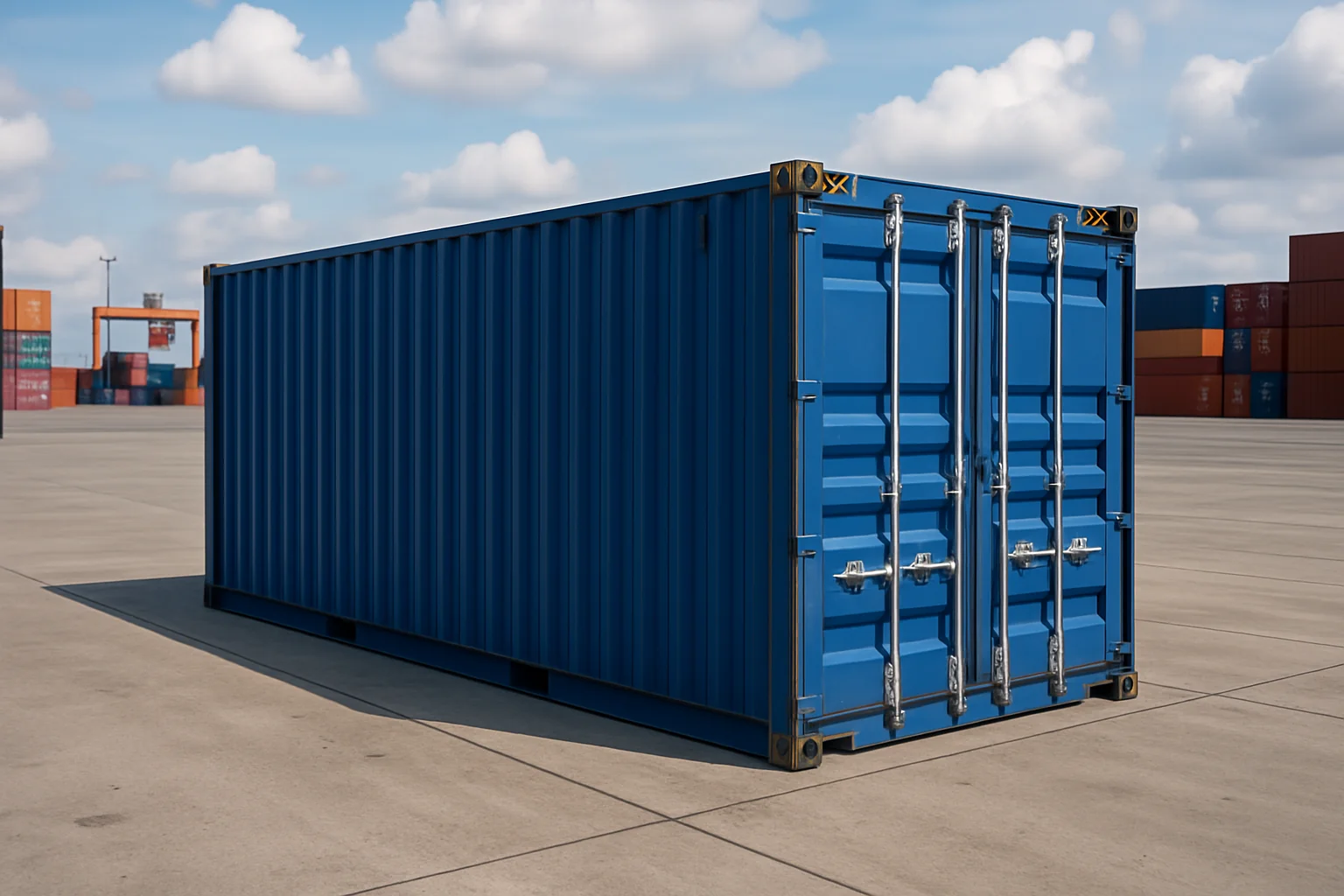
In the context of restructuring global supply chains, Turkey has become the primary logistics hub for trade between Eurasia, the Middle East, and Russia. For Russian importers and Turkish exporters, purchasing a dedicated container (operating under the SOC – Shipper’s Own Container scheme) has ceased to be merely an option and has become a necessity.

Why should a business buy a container in Turkey instead of leasing one from a shipping line?

  • Complete independence from Demurrage & Detention (D&D): Shipping lines often delay document processing or the return of empty containers, imposing massive fines. Owning a container eliminates this issue entirely.

  • Guaranteed equipment availability: During peak seasons (e.g., pre-New Year or harvest season), obtaining an empty container from a carrier in Gebze or Mersin can be extremely difficult. An owned fleet solves this problem.

  • Cargo specialization: The ability to prepare the equipment in advance: reinforce lashing points, install additional ventilation, or configure a reefer for a specific temperature regime.

  • Backhaul optimization: After delivering cargo to Novorossiysk or St. Petersburg, the container can be used for reverse imports from Russia to Turkey (metals, timber, grain), optimizing the transportation leg and reducing empty repositioning costs.

Key Locations: Gebze and Mersin

We position and supply containers in Turkey's two main logistics hubs, allowing optimization of the inland haulage (drayage) leg to the port of departure:

Gebze (Kocaeli Province, Istanbul Region)

The industrial and logistics heart of northwestern Turkey. It hosts major manufacturing facilities for auto components, household chemicals, electronics, and textiles. Proximity to the ports of Ambarli and Derince makes Gebze the ideal point for consolidating Less than Container Load (LCL) cargo and dispatching Full Container Load (FCL) shipments by sea or ferry to Black Sea ports (e.g., Novorossiysk).

Mersin

Turkey's largest port on the Mediterranean Sea and a key hub for the country's southern regions. It is critically important for exporting agricultural products (citrus, nuts, dried fruits), textiles, and construction materials. Direct, regular container and Ro-Ro ferry lines run from Mersin to Novorossiysk, significantly reducing transit time compared to routes via Istanbul.

Loading...

Main Cargo Flows: What is Transported Between Turkey and Russia

Exports from Turkey to Russia (Our containers frequently travel in this direction):

  • Industrial goods: Auto parts, tires, home appliances, cables, machinery, and equipment.

  • Textiles and clothing: Fabrics, ready-made garments, footwear, home textiles (ideal for 40HC due to high volume and low weight).

  • Food products: Citrus, nuts, confectionery, olive oil, groceries (require reefer or ventilated containers).

  • Construction materials: Plumbing fixtures, tiles, paints, and fittings.

Imports from Russia to Turkey (Backhaul for cost optimization):

  • Ferrous and non-ferrous metals, rolled metal products.

  • Lumber and timber (require dry, weathertight containers).

  • Grain crops, animal feed, fertilizers.

  • Chemical products and industrial raw materials.

Which Containers to Choose for the Turkey-Russia Route

  • 20DC (Dry Container): For heavy and dense cargo: auto parts, metals, building materials, liquids in IBC totes. Withstands high point loads.

  • 40HC (High Cube): The standard for textiles, clothing, footwear, plastic products, and light industry. The extra internal height allows maximum volume utilization within weight limits.

  • Reefer Containers (20RF / 40RF): An absolute must-have for exporting Turkish fruits, vegetables, meat, and dairy products. Our reefers undergo a Pre-Trip Inspection (PTI) and maintain a precise temperature range from -25°C to +25°C throughout the journey to Novorossiysk.

  • Open Top / Flat Rack: For Out-of-Gauge (OOG) industrial equipment, machinery, or construction structures that do not fit in a standard closed box.

Main Container Ports in Turkey for Operations with Russia

MERSIN (Mediterranean Region)

Mersin International Port (MIP) – Turkey's largest container port

  • Location: Northeastern coast of the Mediterranean Sea.

  • Depth: 10–14 meters (after dredging works).

  • Berths: 2, 3, 9, 10, 11 with dedicated container terminals.

  • Infrastructure: One of the best railway systems among Turkish ports (alongside Derince); 4 rail ramps for direct container handling; 5 berths with rail access for direct loading/unloading; container depot and marshalling yard.

  • Strategic Value: Located at the intersection of major sea routes between the Mediterranean, Western Europe, the Far East, and North Africa; key port for agricultural exports; direct ferry and container lines to Novorossiysk.

GEBZE AND KOCAELI REGION (Marmara Region)

The Kocaeli region (including Gebze, Derince, Yarımca) is the container heart of Turkey, with a high concentration of major terminals.

  1. Yılport Gebze ("Home terminal" of YILPORT)

    • Annual Capacity: 1,000,000 TEU + 5,000,000 tons (breakbulk/general cargo).

    • Berth Length: 1,465 meters.

    • Equipment: 8 QC (Quay Cranes: 4 x 22-row and 4 x 18-row), 31 RTG (Rubber Tyred Gantry), 5 Reach Stackers, 1 MHC (Mobile Harbor Crane).

    • Infrastructure: 4,500 m² open + 4,350 m² covered warehouses; Container Freight Station (CFS) with bonded warehouses for LCL cargo; specialized steel handling equipment (Meclift).

    • Logistics Value: Located 60 km from Istanbul; serves 16 organized industrial zones; handles ~35% of Turkey's GDP.

  2. DP World Yarımca (One of Turkey's most technologically advanced container terminals)

    • Capacity: 1.3 million TEU (current), expandable to 2 million TEU.

    • Capabilities: Can handle Ultra-Large Container Vessels (ULCV) up to 20,000 TEU.

    • Equipment: 8 cranes operating in tandem for 20,000 TEU vessels.

    • Strategic Position: Located in the Gulf of İzmit; one of the largest container ports on the Sea of Marmara.

  3. Safiport Derince (Fast-growing container hub)

    • Capacity: ~750,000 TEU currently; projected 1,500,000 TEU by 2027.

    • Infrastructure: Berth space 2,272 meters; Depth 18 meters; new container terminal with modern equipment (eRTGs and STS cranes).

ISTANBUL

4. Ambarli Port (Istanbul) (Turkey's largest port by container volume)

  • Capacity: 3.5 million TEU + 22 million tons of cargo.

  • Depth: Up to 16 meters (maximum vessel draft).

  • Location: Beylikdüzü district, Istanbul (40 km from IST airport, 5 km from Avcilar).

  • Infrastructure: Road links (E80, O-3 highways), railway connection. Services include containers, Ro-Ro, and energy cargo. 5th largest port in Turkey by total tonnage.

  • Container Terminals in Ambarli:

    • Marport (Mardas Terminal): 137,062 TEU/year + 2,551,200 tons of general cargo.

    • AKPORT: 600,000 tons of bulk cargo + 160,000 tons of general cargo, ~400 vessels/year.

Comparative Table of Container Ports

Port

Region

Capacity (TEU/year)

Depth (m)

Features

Ambarli

Istanbul

3,500,000

16

Largest by volume, multimodal

Asyaport

Tekirdağ

2,500,000

18

First transit hub, shore power

DP World Yarımca

Kocaeli

1,300,000 (up to 2M)

N/A

Handles ULCVs up to 20,000 TEU

Safiport Derince

Kocaeli

750,000 → 1,500,000 (by 2027)

18

Rapid growth, modern infrastructure

Yılport Gebze

Kocaeli

1,000,000

5–30

Multimodal, CFS, industrial zone

Mersin (MIP)

Mersin

Largest in Turkey

10–14

Mediterranean Sea, major rail hub

Logistics Routes to Russia

From Mersin:

  • Direct ferry lines: Mersin → Novorossiysk (5–7 days).

  • Container lines via the Black Sea.

  • Optimal for: Citrus, nuts, textiles.

From Gebze / Kocaeli / Istanbul:

  • Sea lines: Ambarli / Derince → Novorossiysk, St. Petersburg.

  • Ferry crossings via the Black Sea.

  • Optimal for: Auto parts, electronics, household chemicals, building materials.

Why It’s Important to Know These Ports When Buying Containers

  • Gebze and Kocaeli: Ideal for purchasing containers for industrial cargo due to proximity to 16 industrial zones.

  • Mersin: Critically important for reefer transportation of agricultural products.

  • Ambarli (Istanbul): The largest hub for LCL consolidation.

  • Derince and Yarımca: Fast-growing ports with modern infrastructure and shorter queues.

  • Asyaport: The best choice for transit cargo and transshipment.

  • All these ports have railway connections and are linked to major highways, ensuring efficient container delivery both within Turkey and for onward shipment to Russia.

*The information on this page does not constitute a public offer.

*MyContainers is a partner of MyWay.

How to pay for an order?

To clarify payment methods, leave a request and our manager will help you choose the optimal payment method

Frequently Asked Questions
Didn't find the right product or service?
Leave a request, our manager will advise you on existing questions
* — required fields