






Why It’s Profitable to Buy a Container in Tokyo for Operations with Russia
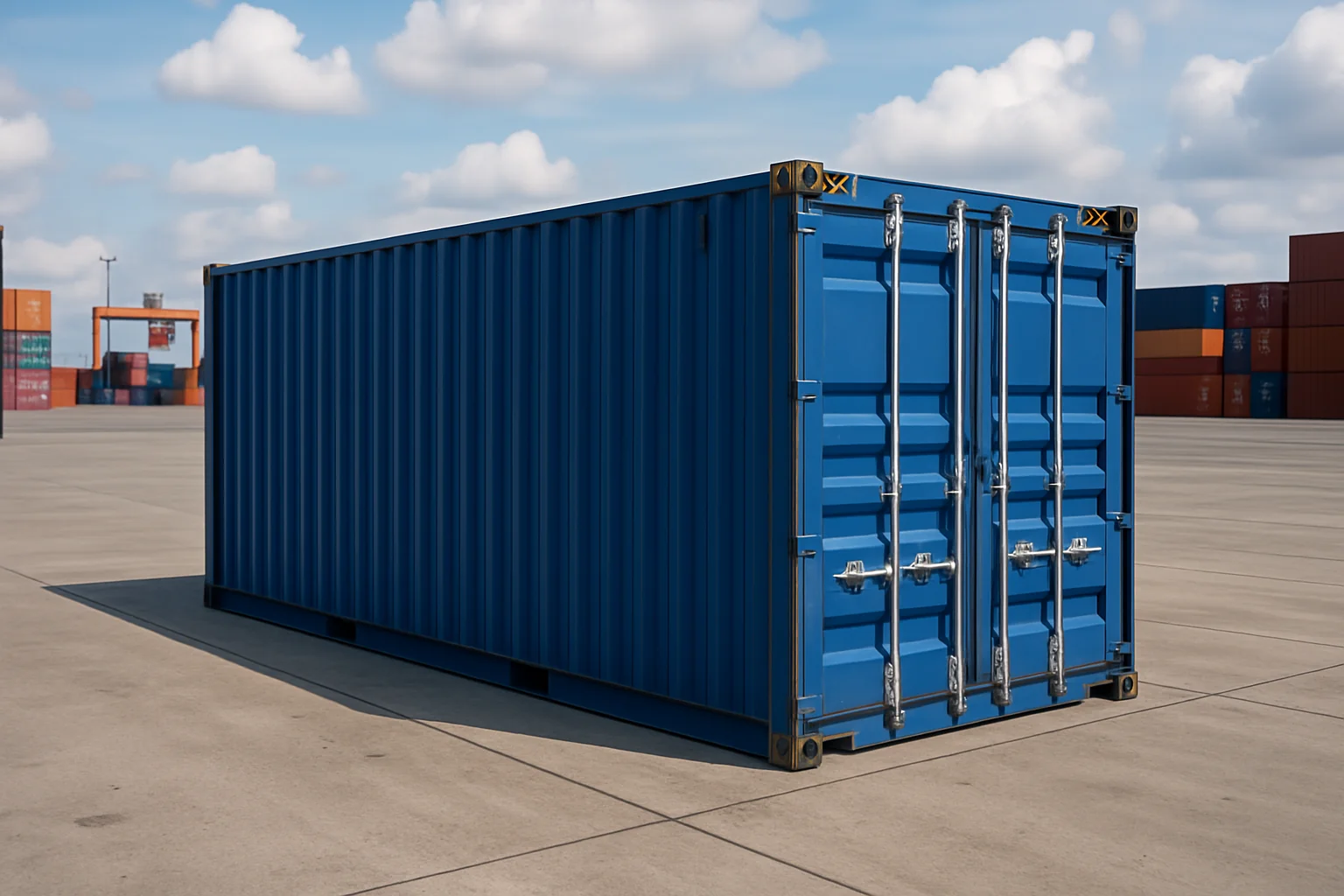
Under current logistics conditions between Japan and Russia, purchasing a dedicated container (operating under the SOC – Shipper’s Own Container scheme) has become not just an option, but a strategic necessity. Major global shipping lines have restricted direct services, and operating an owned equipment fleet provides businesses with key advantages:
Complete control over timelines: You are not dependent on the shortage of empty containers that periodically occurs in Japanese ports.
No Demurrage & Detention (D&D) charges: In case of delays at transshipment hubs (e.g., in Busan) or during customs clearance in Vladivostok, you do not pay massive fines to shipping lines.
Multimodal route flexibility: An owned container can be easily transshipped from sea to a rail flatcar or ferry without the bureaucratic complexities associated with leased carrier equipment.
Security for high-value cargo: The ability to inspect and prepare the equipment in advance for specific requirements (reinforced lashing points, additional ventilation).
Key Container Hubs of Tokyo Bay
We position and supply equipment in the main ports of the Kanto region, which allows us to minimize the inland haulage (drayage) leg from manufacturing plants to the port of loading:
Port of Tokyo
The capital's largest passenger and cargo hub. The main container terminals are located in the Ohi and Aomi districts. It specializes in general cargo, electronics, consumer goods, and auto components. Excellent for Less than Container Load (LCL) consolidation.
Port of Yokohama
Located south of Tokyo, it is the region's primary "heavyweight." The Honmoku and Daikoku terminals feature deep-water berths capable of accommodating the largest container vessels. This is the main hub for exporting heavy industrial equipment, machinery, and large batches of automobiles.
Port of Kawasaki
Situated between Tokyo and Yokohama. It has a distinct industrial specialization. It is the ideal point of departure for chemical products, specialized machinery, and metal products.