





Nairobi: The Central Logistics Hub of East Africa – Why Containers Are Essential Here
Although landlocked, Nairobi, the capital of Kenya, is the primary administrative, distribution, and transit hub for the entire East African region. The city is connected to the country's largest seaport (Mombasa) via the modern Standard Gauge Railway (SGR) and the A109 national highway, acting as a key gateway for cargo heading to Uganda, Rwanda, South Sudan, and the eastern regions of the DRC.
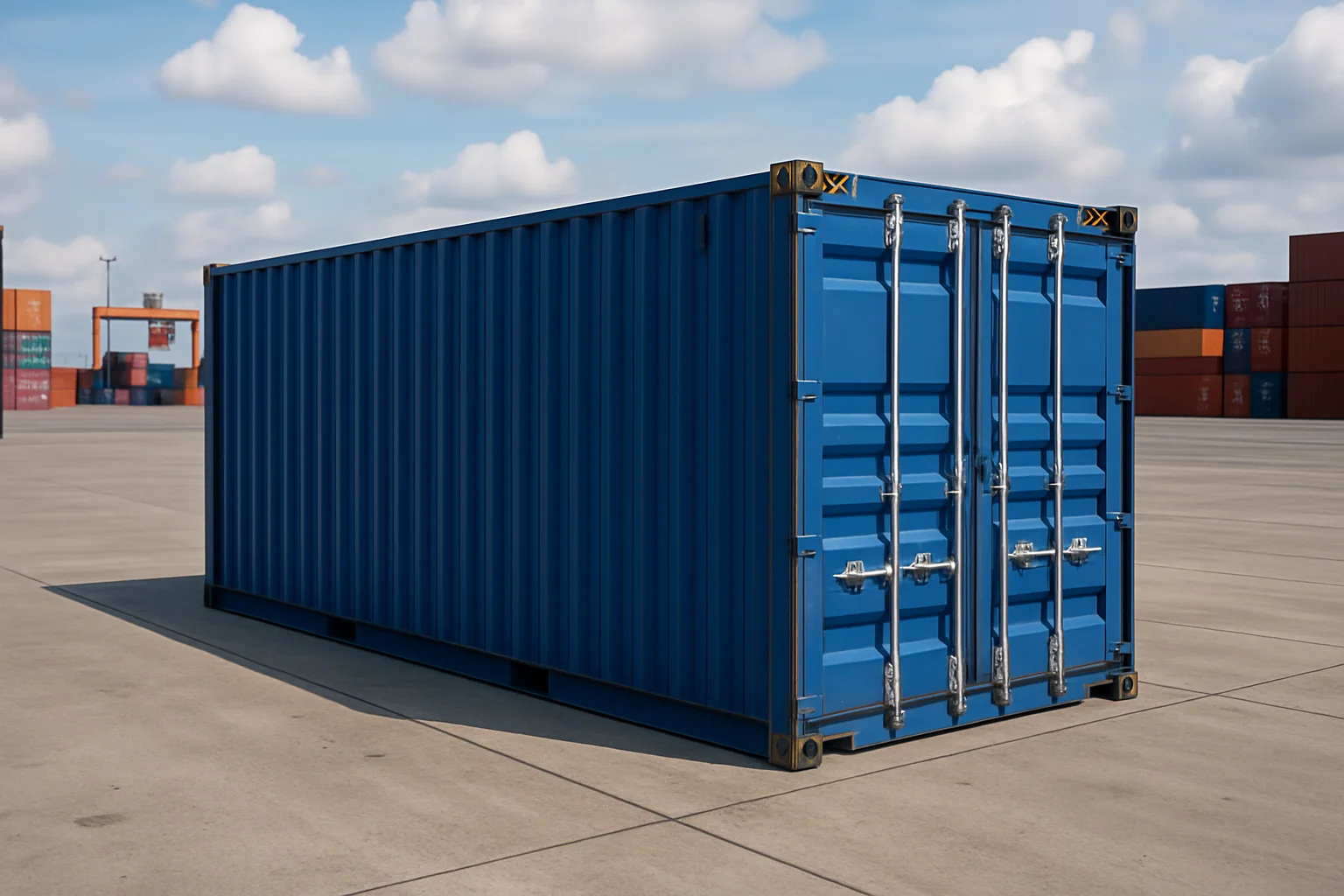
For international traders, agribusinesses, construction companies, and NGO representatives, purchasing your own container under the SOC (Shipper-Owned Container) scheme in Nairobi solves critical business challenges:
Avoiding Port Penalties: Transit of cargo from the congested Port of Mombasa deep into the continent can take time due to customs procedures. Owning your own container completely eliminates the risk of massive fines from shipping lines for the extended use of their equipment.
Absolute Protection from the Climate: Nairobi's subtropical highland climate features two rainy seasons (high humidity) and dry, dusty periods. A sealed steel container (in WTP/CW condition) guarantees dryness, cleanliness, and the preservation of goods, protecting them from mold and dust.
Security and Protection Against Vandalism: When operating at remote construction or agricultural sites, a reliable steel box with reinforced locks becomes the most economical and secure warehouse, minimizing the risk of theft.
Mobility and Independence: A container can be used both for receiving imports and for consolidating export agricultural products (tea, coffee, avocados) before rail dispatch to the coast, freeing you from equipment shortages at leasing companies.